
High-Fidelity Bio-Sensing Array
Multi-channel dermal sensor clusters continuously sense surface electromyography (sEMG) and peripheral nerve action potentials through non-irritating, medical-grade skin interfaces.
Empowering healthcare systems, medical distributors, and clinical buyers with closed-loop AI therapeutics, noninvasive peripheral nerve stimulation, and FDA-cleared neuromodulation platforms.
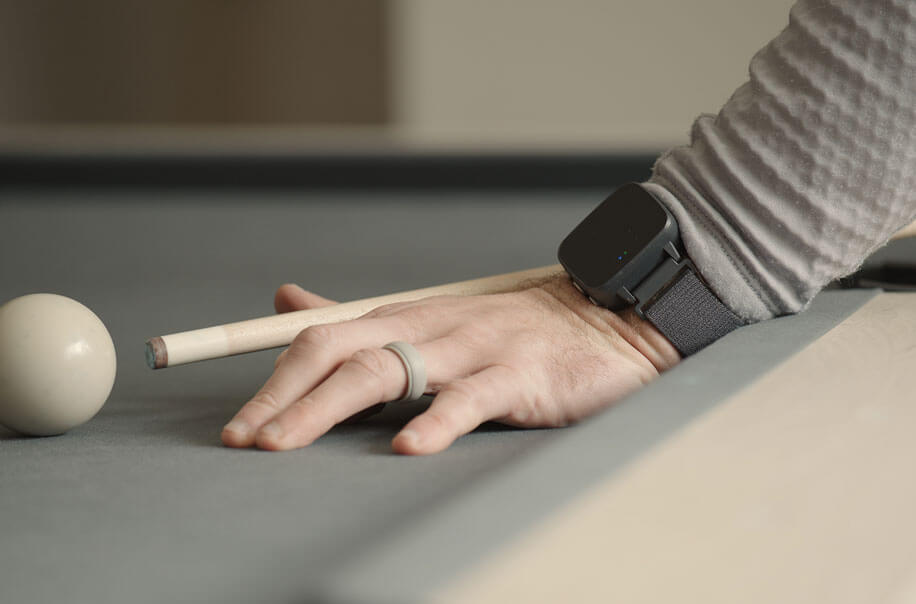
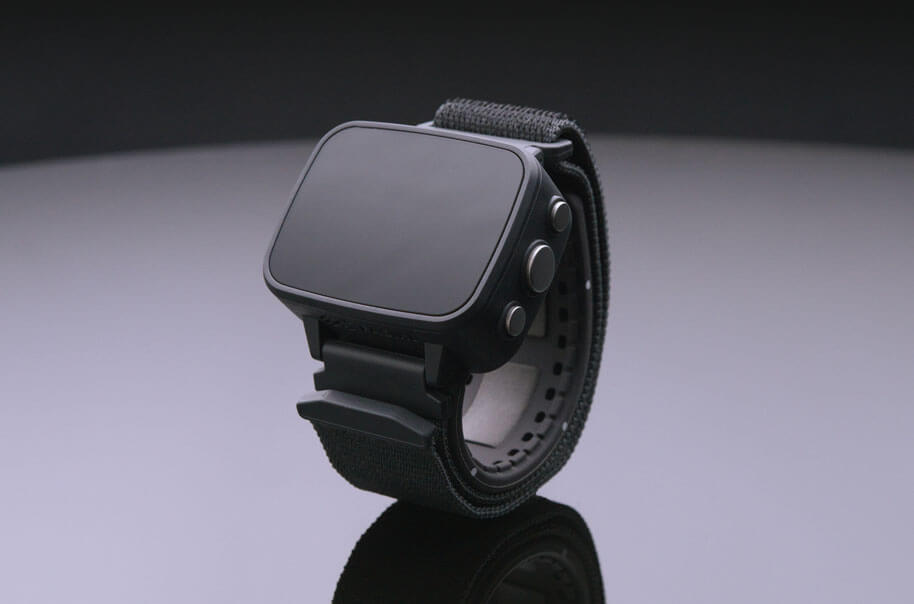
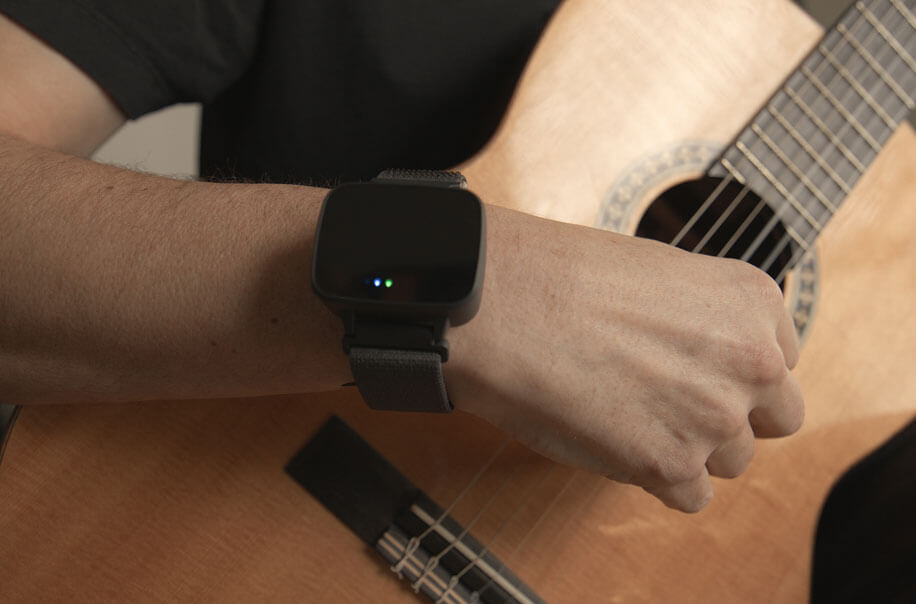
Bioelectronic medicine represents a multi-billion dollar paradigm shift in global healthcare—replacing traditional systemic pharmaceuticals with targeted, electrical neural modulation. Fasikl bridges clinical-grade electroceutical engineering and artificial intelligence to offer hospital networks and international partners immediate commercial access to FDA-cleared noninvasive technologies.
Send an InquiryAs healthcare systems worldwide face rising costs, systemic pharmaceutical side effects, and patient compliance challenges, the global demand for a sophisticated bioelectronic medicine device has accelerated dramatically. Bioelectronic therapeutics—often termed "electroceuticals"—utilize targeted electrical, magnetic, or acoustic energy to read and modulate neural circuit activity. By directly interfacing with peripheral nerve networks, these devices treat chronic movement disorders, inflammatory conditions, and autonomic dysfunctions with surgical precision but without systemic toxicity.
For hospital procurement committees, medical technology distributors, clinical trial organizers, and strategic healthcare investors, selecting the appropriate bioelectronic medicine device requires evaluating regulatory clearances, neural signal resolution, algorithm adaptivity, patient adherence factors, and total enterprise cost of ownership. This document provides an exhaustive technical and commercial breakdown of modern bioelectronic platforms, detailing how Fasikl’s enterprise offerings solve key clinical bottlenecks through proprietary closed-loop Neuro-AI engineering.
Unlike blunt systemic medications that flood the entire bloodstream, bioelectronic medicine devices deliver micro-calibrated energy directly to peripheral nerve bundles (such as the median and radial nerves), minimizing off-target adverse effects.
Legacy neurostimulation hardware operates on open-loop, fixed-frequency patterns. Modern bioelectronic devices incorporate on-device sensing and cloud-based AI to continuously adapt stimulation parameters based on real-time physiological feedback.
Global procurement teams looking to expand their neurology, rehabilitation, or movement disorder device portfolio must distinguish between consumer-grade wellness wearables and true medical-grade bioelectronic devices. Fasikl offers two cornerstone platforms engineered on over 20 years of peer-reviewed neural interface R&D.
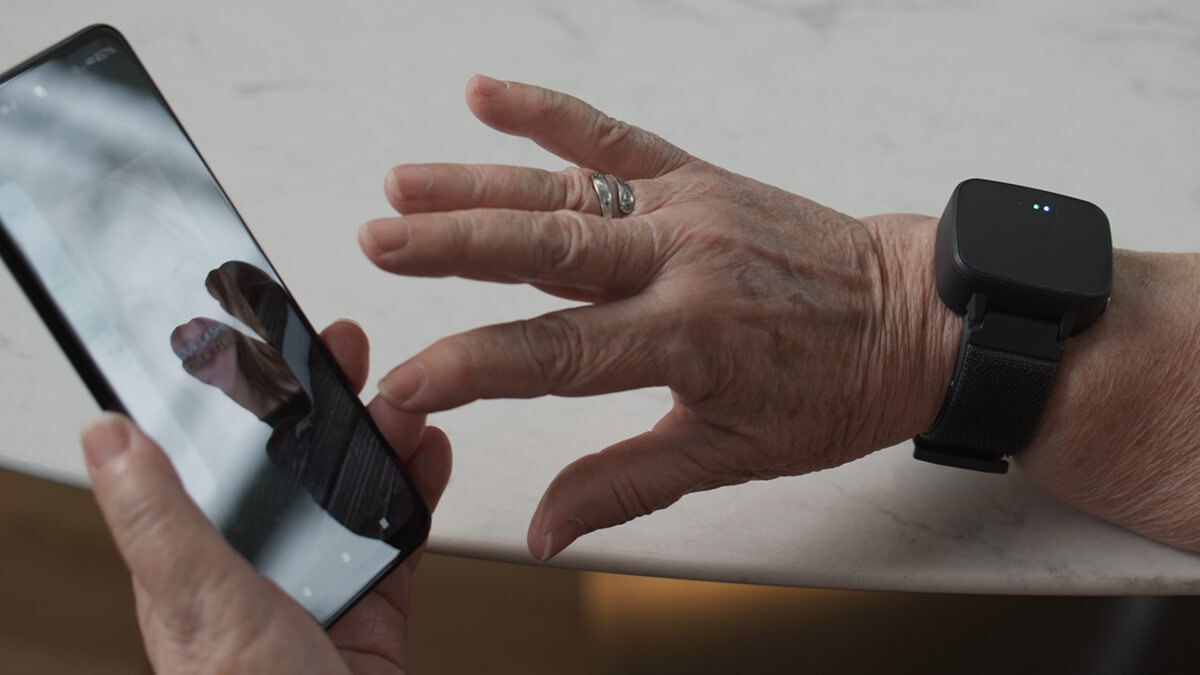
The Felix NeuroAI™ Wristband is the world’s first FDA-cleared noninvasive AI therapeutic designed specifically for adults living with essential tremor (ET). It is worn comfortably on the wrist like a high-end watch, requiring zero surgical implantation, zero incisions, and zero reliance on sedating pharmacological agents.
The Fasikl-X™ platform is an enterprise-grade bidirectional nerve-computer interface engineered for clinical research institutions, academic medical centers, and strategic enterprise partners seeking next-generation neural decoding capabilities.
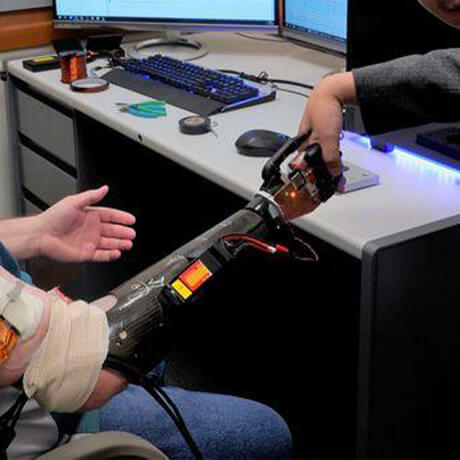
To assist healthcare procurement committees during formal RFP (Request for Proposal) processes, the table below contrasts conventional tremor treatments and basic open-loop electro-therapy devices against Fasikl’s advanced bioelectronic medicine device platform.
| Evaluation Vector | Pharmaceutical Therapy (e.g., Propranolol) | Deep Brain Stimulation (DBS Surgery) | Legacy Open-Loop Stimulation Devices | Fasikl Bioelectronic Neuro-AI Platform |
|---|---|---|---|---|
| Invasiveness & Surgical Risk | Non-invasive (Systemic Drug) | High Risk (Brain Surgery & Implanted Leads) | Non-invasive | 100% Noninvasive Wearable |
| Systemic Side Effects | High (Fatigue, Bradycardia, Dizziness) | Surgical Complications, Infection, Hardware Failure | Minimal (Skin Irritation) | Zero Systemic Side Effects |
| Signal Adaptivity | None (Static Dose) | Fixed Programmed Stimulation | Fixed Timed Pulses (No Sensing) | Closed-Loop AI Real-Time Calibration |
| Regulatory Clearance | Standard Drug Approvals | PMA Surgical Approval | Variable 510(k) or Consumer OTC | FDA 510(k) Cleared AI Therapeutic |
| Longitudinal Data & Telemetry | Subjective Patient Logs | In-Clinic Programming Required | Basic On-Off Logging | Cloud Telemetry & Continuous Model Updates |
| Deployment Timeline | Immediate Prescription | 6–12 Months Evaluation & Recovery | Immediate Purchase | Rapid Outpatient Onboarding |
As global healthcare systems shift toward value-based care and decentralized medicine, AI-driven bioelectronic medicine devices are poised to replace traditional modalities. Healthcare sourcing executives must align their supply chain strategies with four dominant industry vectors:
Early electroceutical devices delivered static, preset electrical shocks regardless of whether the target nerve circuit was actively firing or at rest. This resulted in rapid habituation, reduced clinical efficacy over time, and excessive battery drain. The future of bioelectronic medicine relies entirely on closed-loop neural architecture. Future procurement mandates will prioritize devices equipped with high-density biosensors capable of reading peripheral nerve signals, filtering noise via edge computing, and triggering micro-doses of stimulation only when pathological neural firing is detected.
Hospital bed shortages and rising outpatient clinical costs have accelerated the demand for hospital-at-home medical infrastructure. Advanced bioelectronic wearables record objective kinematic and neurophysiological metrics during patient daily life. This encrypted data streams back to clinical dashboards, enabling neurologists to monitor disease progression, evaluate treatment compliance, and remotely adjust prescription parameters without requiring in-person office visits.
While invasive neuromodulation (such as Deep Brain Stimulation or Vagus Nerve Stimulation implants) remains appropriate for refractory cases, the exorbitant initial surgical costs ($100,000+ per procedure), perioperative risks, and ongoing battery-replacement surgeries limit patient adoption. Noninvasive bioelectronic medicine devices worn at peripheral anatomical sites (such as the wrist or neck) lower the barrier to care by order of magnitude, making effective neuromodulation accessible to millions of patients worldwide at a fraction of the cost.
AI models trained on anonymized peripheral neural data across thousands of device users create massive network effects. As more patients utilize bioelectronic therapeutics, cloud-based algorithms refine their predictive capabilities—enabling early detection of neurological decline, fine-tuning waveform harmonics, and providing clinical decision support that elevates the standard of care across entire health networks.

Fasikl is not a consumer wellness brand; we are a dedicated Neuro-AI medical technology company established by world-renowned biomedical engineers, scientists, and clinical researchers. Our competitive advantage is grounded in four core pillars of E-E-A-T (Experience, Expertise, Authoritativeness, and Trustworthiness):
A complete end-to-end framework combining hardware precision, cloud intelligence, and targeted neuro-modulation.
Multi-channel dermal sensor clusters continuously sense surface electromyography (sEMG) and peripheral nerve action potentials through non-irritating, medical-grade skin interfaces.
Proprietary machine learning algorithms isolate pathological neural oscillation rhythms from intentional voluntary movements, building a dynamic, real-time "tremor fingerprint."
Precision-calibrated electrical micro-pulses are delivered transcutaneously to targeted peripheral nerves, interrupting abnormal central pacemaker activity and stabilizing motor output.
Direct, authoritative answers to common inquiries raised by medical device buyers, hospital directors, and regulatory compliance teams.
Unlike consumer TENS units that deliver uncontrolled, broad electrical currents to sensory skin receptors for temporary muscle soreness, a true bioelectronic medicine device interacts directly with specific peripheral neural pathways using closed-loop biological feedback. Fasikl's devices utilize high-density biosensors to decode underlying neural firing patterns in real time, delivering precisely calibrated stimulation to modify central nervous system circuits. Furthermore, our devices undergo rigorous clinical trials and hold FDA medical device clearances under strict prescription controls.
Fasikl offers tailored commercial sourcing structures for qualified international partners, including exclusive and non-exclusive regional distribution agreements, bulk institutional procurement programs for private hospital networks, and strategic clinical research equipment supply packages. Interested procurement teams can submit an inquiry through our live portal to connect directly with our international commercial sales team.
While the Felix NeuroAI™ Wristband is fully cleared by the U.S. FDA, Fasikl maintains a complete technical dossier, ISO 13485 quality system documentation, software validation reports, and clinical trial datasets. We collaborate directly with authorized local distribution partners to streamline regional regulatory filings, safety certifications, and customs clearances across European, Asian, and Latin American jurisdictions.
In controlled clinical evaluations, the Felix NeuroAI Wristband demonstrated statistically significant hand tremor amplitude reduction in over 80% of evaluated patients. Because the wearable is completely noninvasive, lightweight, and worn like a wrist-watch during daily routines, patient therapy adherence rates consistently exceed 90%—far outperforming traditional pharmacological treatments plagued by cognitive and cardiovascular side effects.
All biosignal data transmitted from Fasikl devices to our cloud AI infrastructure is fully anonymized, end-to-end encrypted using AES-256 standard protocols, and compliant with U.S. HIPAA regulations and European GDPR mandates. Patient identity is segregated from biological diagnostic data, ensuring enterprise-grade cybersecurity for hospital systems and clinical networks.
Every enterprise procurement contract includes comprehensive clinical onboarding, staff and neurologist training modules, patient management portal access, and a standardized 1-year comprehensive medical device hardware warranty. Customized extended Service Level Agreements (SLAs), expedited replacement protocols, and dedicated technical account managers are available for high-volume health system accounts.