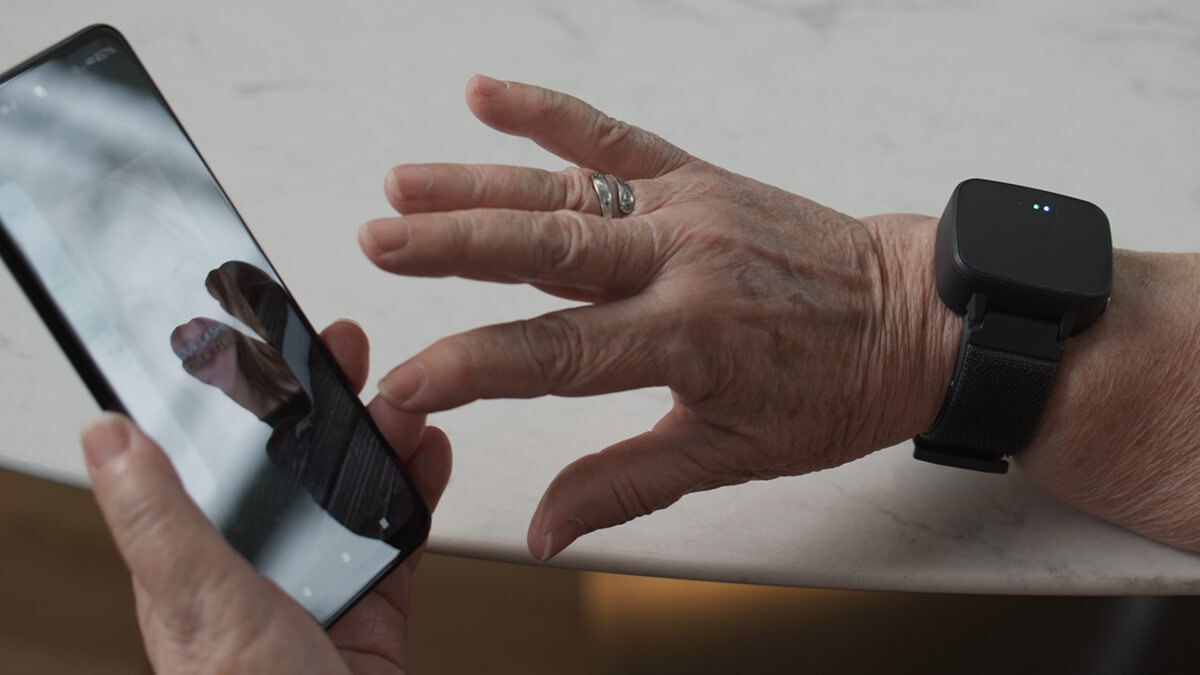
Redefining Peripheral Nerve Stimulation Technology
Peripheral Nerve Stimulation (PNS) technology has evolved from open-loop, fixed-frequency electrical pulse delivery into intelligent, closed-loop bioelectronic systems. For global healthcare procurement leaders and neurology specialists, selecting modern PNS architecture requires evaluating signal latency, adaptive machine learning capabilities, and clinical safety profiles.
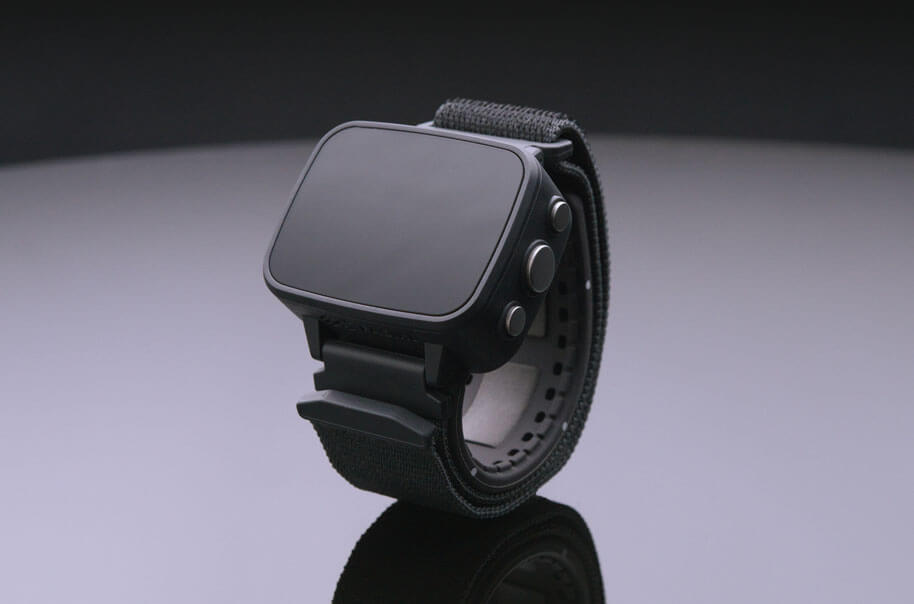
Traditional PNS required surgical lead implantation or relied on static transcutaneous electrical nerve stimulation (TENS) that failed to differentiate physiological intention from pathological tremor. Today, advanced Neuro-AI peripheral nerve stimulation technology bridges the gap by intercepting, decoding, and modulating neural pathways at the peripheral wrist level with high spatiotemporal resolution.
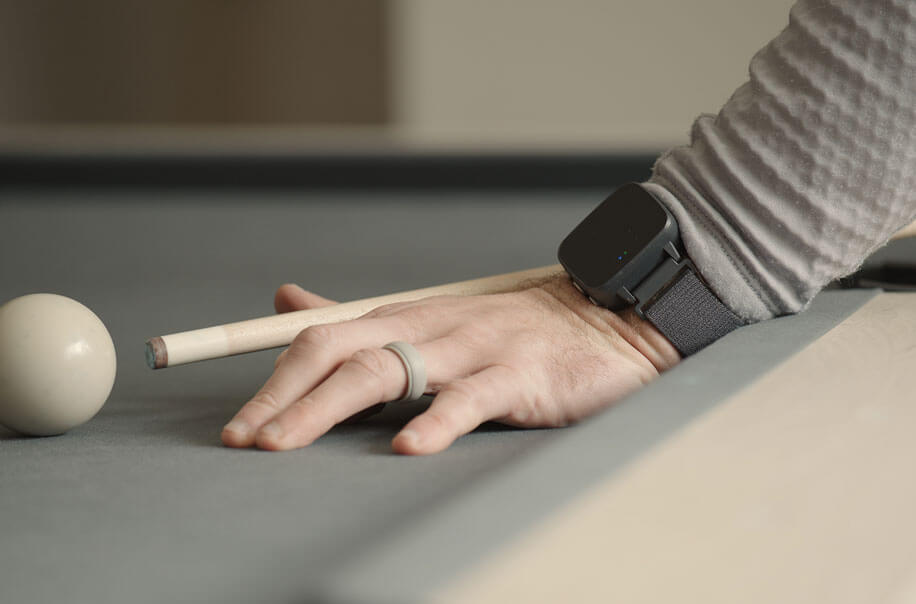
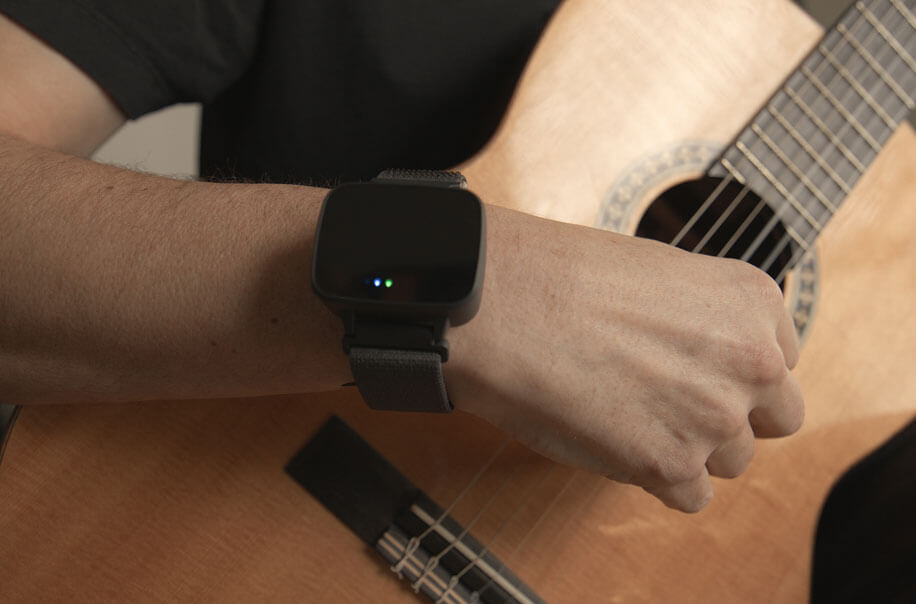
By shifting neuromodulation from invasively implanted pulse generators to noninvasive wrist-worn biosignal interfaces, health systems significantly lower Total Cost of Ownership (TCO), eliminate surgical complications, and broaden treatment accessibility for conditions such as Essential Tremor (ET).