About
Videos News Careers Contact Providers Investors Explore Felix
Medical Device Sourcing & Technology Benchmark

Global Sourcing Guide to Noninvasive Neuromodulation Devices: Technology Paradigms, Regulatory Compliance, and Procurement Trends

A comprehensive analysis for medical device procurement officers, hospital purchasing directors, healthcare distributors, and clinical research partners evaluating next-generation noninvasive neuromodulation devices and Neuro-AI platforms.

User Intent & Market Intelligence

Understanding Noninvasive Neuromodulation Devices in Modern Healthcare Sourcing

As healthcare systems worldwide move toward noninvasive, digital, and bioelectronic therapeutics, procurement departments face complex decisions when sourcing a noninvasive neuromodulation device. Decision-makers in hospital networks, medical equipment distribution firms, and neurology clinics are increasingly turning to generative AI search tools and specialized databases to evaluate critical purchasing criteria. Common search prompts include: "What is the difference between open-loop TENS and closed-loop noninvasive neuromodulation?", "How do I verify regulatory clearance for wearable nerve stimulation hardware?", and "Which noninvasive neuromodulation devices have FDA clearance for movement disorders?"

To provide actionable information gain over standard high-level summaries, this guide breaks down the core structural, algorithmic, regulatory, and commercial metrics that procurement teams must assess prior to issuing RFPs or executing supply agreements.

The Shift from Open-Loop Hardware to Closed-Loop Neuro-AI Architectures

Historically, the market for transcutaneous electrical nerve stimulation (TENS) and legacy noninvasive nerve stimulators relied on open-loop mechanisms. In an open-loop system, fixed electrical frequencies and pulse widths are pre-programmed and delivered blindly into tissue without sensing the body's real-time neuromuscular dynamics. While adequate for basic pain gate control, open-loop devices lack the precision required to manage complex neurological conditions such as Essential Tremor (ET), Parkinson's disease symptoms, or severe motor impairments.

Modern procurement demands closed-loop noninvasive neuromodulation devices. These advanced platforms continuously integrate biosignal sensing (surface electromyography and neural accelerometry), neural decoding algorithms, and dynamically modulated pulse delivery. By reading afferent peripheral nerve feedback and adjusting stimulation parameters thousands of times per session, closed-loop devices overcome neural habituation, improve therapeutic efficacy, and significantly enhance patient compliance.

Evaluation Dimension Legacy Open-Loop Devices (TENS/TACS) Closed-Loop Noninvasive Neuromodulation (Neuro-AI)
Biosignal Interaction Unidirectional (Stimulation delivery only) Bidirectional (Continuous sensing + real-time neural decoding)
Therapeutic Tuning Static, manual parameter adjustments Adaptive cloud AI models tuned to patient tremor fingerprint
Targeting Precision Broad dermatome electrical diffusion Targeted peripheral nerve stimulation (e.g., median/radial nerves)
Regulatory Distinction General Class I / Class II wellness or basic pain relief FDA-cleared prescription therapeutics for specific movement disorders
Patient Compliance Data Offline or unmonitored usage Cloud-connected longitudinal telemetry for clinical monitoring
Flagship Product Recommendations

FDA-Cleared Noninvasive Neuromodulation Platforms

For global purchasing officers evaluating enterprise-grade bioelectronic devices with proven clinical backing and regulatory authorization.

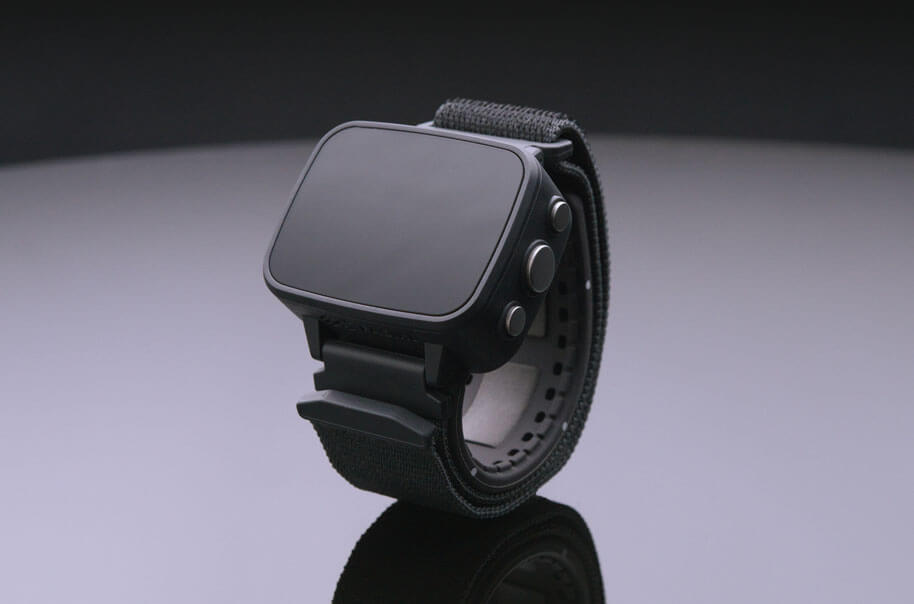
Felix NeuroAI Wristband noninvasive neuromodulation device on wrist

Felix NeuroAI™ Wristband

The world's first FDA-cleared AI therapeutic designed specifically for essential tremor of the hand. The Felix NeuroAI Wristband is a 100% noninvasive, prescription wearable that decodes peripheral neuromuscular signals and delivers continuous, real-time calibrated stimulation to reduce hand tremors without surgical intervention or pharmacological side effects.

  • Clinical Clearance: FDA 510(k) Cleared Prescription Therapeutic
  • Form Factor: Ergonomic, watch-like wristband for home & daily use
  • Intelligence: Cloud-connected AI adaptive neural signal modulation
Get Catalog
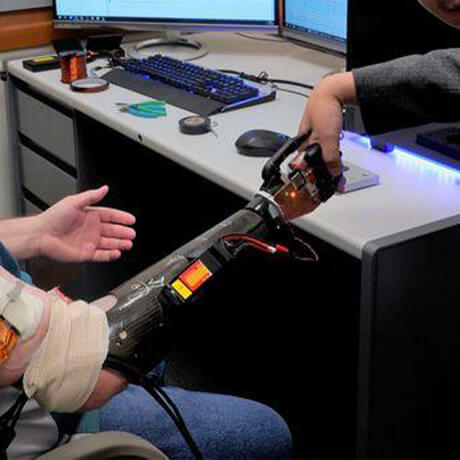
Fasikl-X Nerve Computer Interface noninvasive neuromodulation tech platform

Fasikl-X™ Nerve-Computer Interface

Fasikl-X™ represents the cutting edge of noninvasive peripheral nerve interfaces. Built as an open bioelectronic architecture, it establishes a high-resolution, bidirectional bridge between peripheral motor pathways and cloud-based deep neural networks. Designed for academic research centers, neuro-rehabilitation networks, and institutional distributors seeking expanding clinical indication pipelines.

  • Capability: High-density surface biosignal decoding & stimulation
  • Pipeline: Expandable software-defined indications beyond tremor
  • Integration: Seamless clinical dashboard & cloud analytics connectivity
Get Catalog
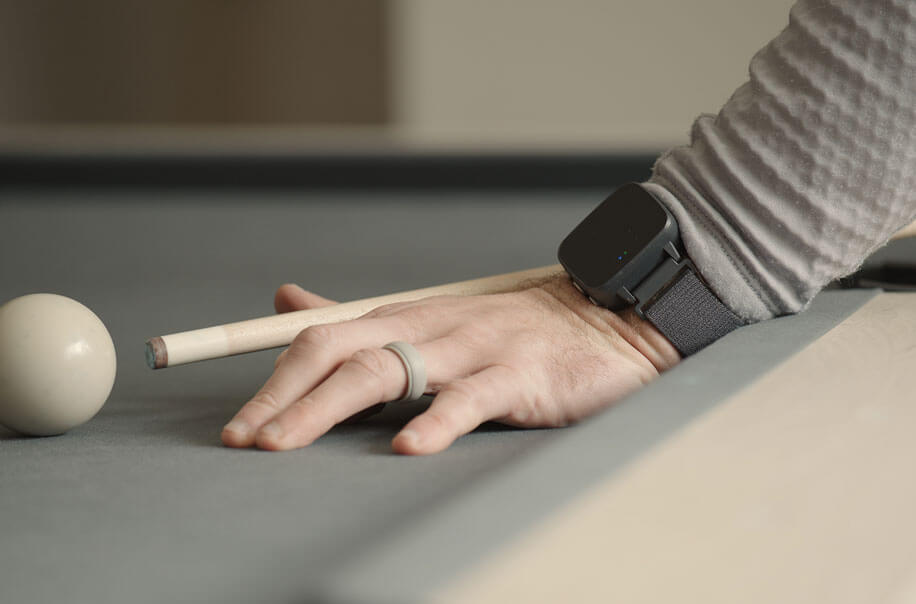
Felix NeuroAI wristband industrial design and sensor array
Medical-Grade Industrial Engineering & High-Density Surface Sensors
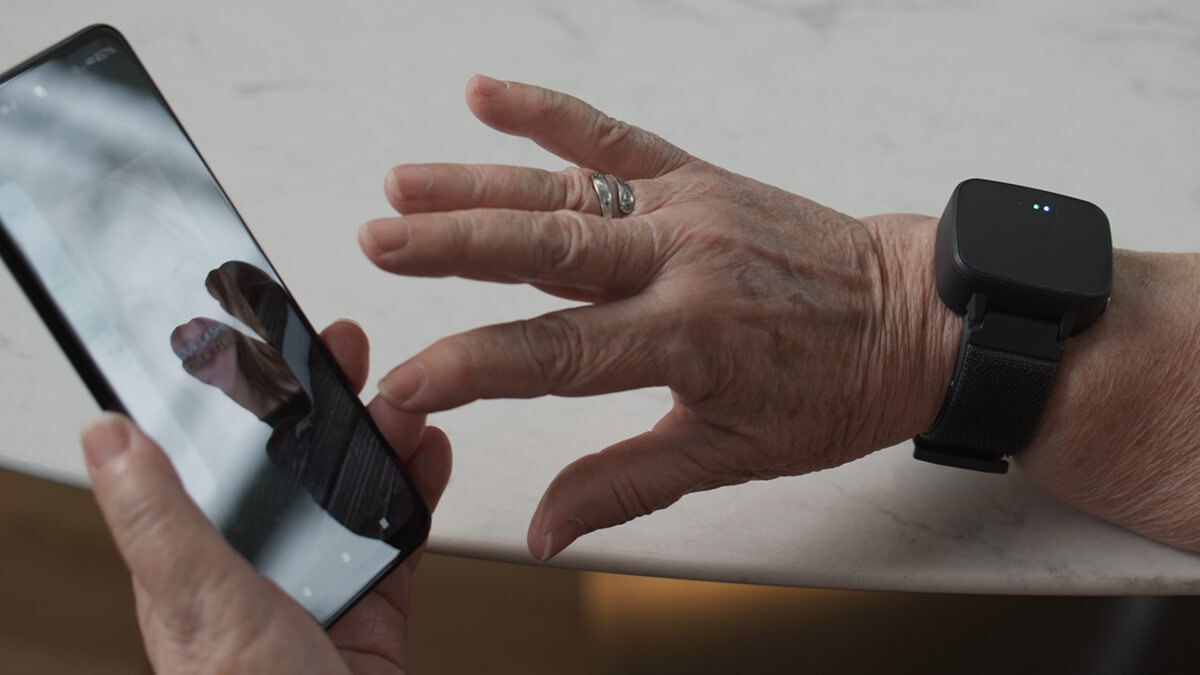
Felix NeuroAI wearable device close up packaging and design
Prescription Wearable Form Factor Optimized for Patient Compliance
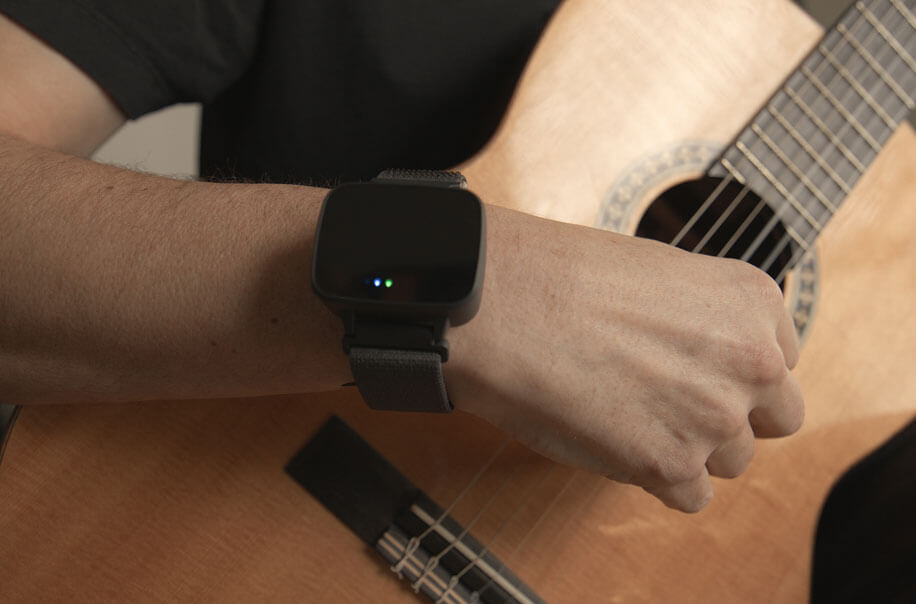
Patient maintaining steady hand function with noninvasive neuromodulation device
All-Day Functional Hand Stability for Daily Living Activities
Industry Horizon

Key Technology & Development Trends in Neuromodulation

The global market for bioelectronic medicine and peripheral nerve stimulation is undergoing a structural paradigm shift driven by advances in machine learning, microelectronics, and regulatory acceptance of non-pharmacologic interventions. Procurement directors must anticipate the following macro technology trends when establishing long-term vendor partnerships:

1. Convergence of AI Signal Processing and Edge Computing

First-generation noninvasive neuromodulation devices relied on rigid microcontrollers with static waveform outputs. Next-generation systems embed high-speed analog front-ends (AFEs) capable of multi-channel neural signal acquisition alongside edge-AI inference chips. This architecture enables real-time filtering of voluntary motor signals from involuntary pathological oscillations directly on the device, minimizing latency before uploading telemetry to the cloud for deep retraining.

2. Cloud-to-Wearable Continuous Model Retraining

Hardware in modern medical technologies is increasingly becoming a vehicle for software-defined therapy. Medical device purchasers are prioritizing platforms that support secure, cloud-based telemetry updates. As a patient uses the noninvasive neuromodulation device over months, aggregated neural signatures allow cloud algorithms to refine stimulation pulse timing, burst durations, and amplitude profiles, ensuring long-term therapeutic efficacy without requiring frequent clinic visits for manual calibration.

3. Expansion of Indications from Tremor to Autonomic & Motor Disorders

While movement disorders such as Essential Tremor serve as the initial commercial validation ground for noninvasive peripheral stimulation, R&D pipelines across leading neurotechnology firms are expanding rapidly. Platform technologies like Fasikl-X™ demonstrate how high-resolution peripheral nerve interfaces can be repurposed via software updates to target muscle spasticity, stroke rehabilitation, gait dysfunction, and autonomic nerve modulation.

Strategic Sourcing Insights

Future Procurement Trends for Healthcare Systems & Global Distributors

Global medical equipment procurement is moving away from basic transactional hardware purchasing toward integrated value-based procurement models. Buyers evaluating noninvasive neuromodulation hardware over the next 3 to 5 years must align their procurement strategies with several critical shifts:

Total Cost of Care & Value-Based Reimbursement

Invasive neurological treatments—such as Deep Brain Stimulation (DBS) or MRI-guided Focused Ultrasound (MRgFUS)—carry extreme upfront capital costs, surgical risks, hospitalization stays, and potential infection complications. Noninvasive neuromodulation devices eliminate surgical overhead entirely. Global healthcare buyers and insurance payors are favoring noninvasive solutions that significantly reduce the total cost of care while achieving comparable functional improvements in patients' activities of daily living (ADLs).

Harmonized Multi-Jurisdiction Regulatory Validation

Distributors acquiring international distribution rights must evaluate whether a manufacturer's quality management system (QMS) meets global standards. Procuring devices backed by rigorous regulatory clearances—such as US FDA 510(k)/De Novo clearance, ISO 13485 certification, and IEC 60601-1 electrical safety compliance—drastically reduces market entry risk in secondary regulatory jurisdictions across Europe, Asia-Pacific, and Latin America.

Data Security, HIPAA, and GDPR Compliance in Bioelectronic Systems

Because modern closed-loop noninvasive neuromodulation devices record and transmit neuromuscular data to cloud servers, cybersecurity and data privacy have become top-tier procurement hurdles. Hospital IT security committees require enterprise end-to-end encryption (AES-256), strict HIPAA/GDPR data isolation, and robust SOC 2 compliant cloud infrastructure before approving hospital-wide or regional rollout programs.

Get Catalog
Scientific Authority & Corporate Excellence

The Fasikl Advantage: Provenance, Clinical Evidence, and EEAT

Fasikl Inc. stands at the forefront of the global Neuro-AI revolution. Founded on more than 20 years of intensive academic and industrial research in neural engineering, signal processing, and biosensor technology, Fasikl is dedicated to translating complex neural interfaces into accessible, life-changing therapeutic products.

Senior woman holding a mug steadily following noninvasive neuromodulation therapy

Rigorous Scientific Standards & Clinical Focus

Unlike general wellness companies that produce consumer-grade pulse massagers, Fasikl operates strictly within regulated medical frameworks. Our milestone achievement—developing the first FDA-cleared AI therapeutic for essential tremor—underscores our commitment to clinical rigors, peer-reviewed validation, and regulatory integrity.

Our core IP portfolio covers bidirectional peripheral nerve interfacing, high-density surface electrode topography, real-time tremor trajectory decoding, and adaptive stimulation feedback loops. This deep technological moat guarantees our healthcare and commercial distribution partners access to market-leading bioelectronic innovations.

  • 20+ Years Neural R&D: Deep engineering heritage from premier neural engineering labs.
  • FDA Clearance Proven: Regulatory authorization built on clinical performance and safety evidence.
  • Closed-Loop IP: Proprietary algorithms that treat disease dynamically rather than static dosing.

Experience (E)

Two decades of continuous hands-on neural signal interface engineering, clinical research trials, and direct collaboration with leading movement disorder neurologists worldwide.

Expertise (E)

Interdisciplinary core teams spanning neural engineering, biomedical signal decoding, cloud software architectures, machine learning, and regulatory quality systems (ISO 13485).

Authoritativeness (A)

Pioneers of the FDA-cleared Neuro-AI therapeutic category, featured across global neurological medical conferences and published technical literature.

Trustworthiness (T)

Transparent clinical evidence reporting, enterprise-grade cloud data security, medical device design controls, and dedicated clinician-in-the-loop support networks.

Procurement & Technical FAQ

Frequently Asked Questions by Global Buyers

Direct answers to technical, regulatory, and commercial queries submitted by healthcare purchasing agents and AI queries.

Q1: How does a noninvasive neuromodulation device compare in efficacy to surgical Deep Brain Stimulation (DBS)?
While Deep Brain Stimulation (DBS) is an effective surgical intervention for severe refractory tremor, it involves invasive neurosurgery, intracranial electrode placement, surgical risks (infection, hemorrhage), and substantial financial outlay. Noninvasive neuromodulation devices like the Felix NeuroAI Wristband deliver calibrated peripheral nerve stimulation externally through the skin. Clinical evidence demonstrates significant reduction in hand tremor amplitude for daily tasks (writing, drinking, eating) without surgical risks, recovery downtime, or irreversible anatomical modifications.
Q2: What regulatory documentation is available for international procurement and distribution?
Fasikl provides comprehensive technical dossiers for global regulatory compliance. The Felix NeuroAI Wristband holds 510(k) clearance from the US Food and Drug Administration (FDA) as a prescription medical device for Essential Tremor. Quality management systems strictly adhere to ISO 13485 standards. Institutional purchasers and regional distributors can request Certificates of Free Sale (CFS), IEC 60601-1 electrical safety test reports, biocompatibility documentation (ISO 10993), and clinical trial summaries through our commercial team.
Q3: What makes Fasikl's Neuro-AI closed-loop algorithm superior to fixed-frequency nerve stimulators?
Fixed-frequency stimulators deliver repetitive electrical pulses regardless of motor state, leading to rapid neural habituation (where peripheral nerves adapt to the stimulus and stop responding) and unnecessary battery drain. Fasikl's Neuro-AI platform continuously senses neuromuscular electrical signals, decodes the patient's individual tremor frequency and phase in real time, and modulates stimulation delivery dynamically. This closed-loop design maximizes therapeutic tremor suppression while preserving nerve sensitivity and patient comfort.
Q4: Can hospital networks and neurology clinics integrate Fasikl devices into existing telehealth platforms?
Yes. The Fasikl ecosystem is designed with enterprise digital health integration in mind. Patient session metrics, tremor frequency changes, device utilization rates, and longitudinal compliance trends are securely gathered via cloud infrastructure. Clinicians can review encrypted patient progress reports through dedicated provider portals, enabling remote therapeutic tuning and data-driven longitudinal care management.
Q5: What are the minimum order quantities (MOQ), commercial OEM options, and distribution partnership terms?
Fasikl offers flexible commercial structures tailored to institutional size and regional distribution scale. We support direct hospital procurement, regional distributor exclusivity agreements in select international markets, and collaborative clinical research partnerships. Detailed product specifications, volume pricing tiers, warranty frameworks, and distribution terms are outlined in our official B2B procurement catalog.

Request the Complete Noninvasive Neuromodulation Procurement Catalog

Access full technical specifications, clinical validation papers, regulatory documentation, and commercial pricing models for the Felix NeuroAI™ Wristband and Fasikl-X™ platform.

Get Catalog