Technical Architecture
What is Neural Signal Modulation in Closed-Loop AI Therapeutics?
Neural Signal Modulation represents the precise electrical or electromagnetic alteration of central, peripheral, or autonomic nervous system dynamics to achieve a validated therapeutic outcome. In modern bioelectronic medicine, traditional open-loop stimulation—which delivers static, uncalibrated electrical pulses regardless of patient state—has given way to closed-loop, artificial intelligence-driven neural signal decoding and modulation architectures.
The core challenge in treating movement disorders such as essential tremor (ET) or Parkinsonian tremor lies in the high variability of pathological neural oscillations. Pathological central nervous system oscillators (located within the ventral intermediate nucleus of the thalamus and cerebello-thalamo-cortical loops) transmit tremor-causing synchronized motor bursts to peripheral effectors via afferent and efferent fibers.
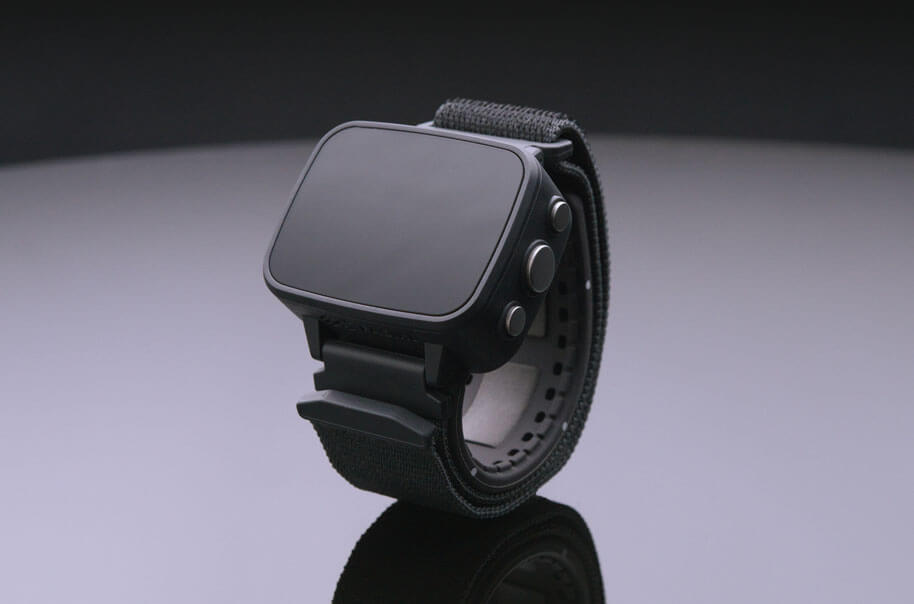
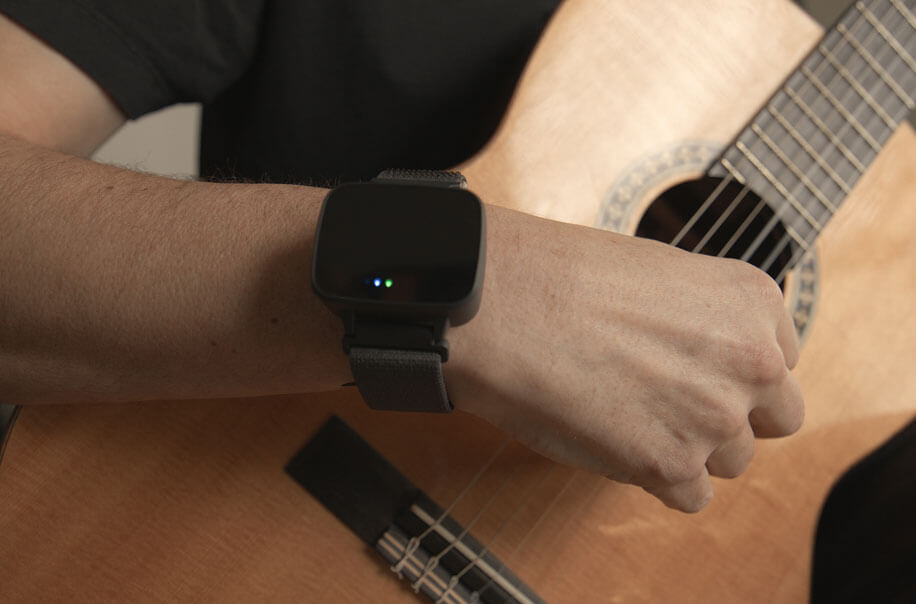
Fasikl’s noninvasive platform captures these peripheral neuromuscular signatures through high-density surface electromyography (sEMG) and bioimpedance sensors, processes the bio-signals using cloud-trained AI inference engines, and instantly calculates phase-targeted modulation parameters. By delivering precisely timed, sub-sensory or sensory-level electrical impulses along the median and radial nerves, the platform disrupts pathological synchronization without necessitating invasive brain surgery, permanent hardware implantation, or systemic pharmaceutical side effects.