Evaluating the Global Shift in Essential Tremor Interventions
Essential Tremor (ET) is the most common movement disorder worldwide, affecting over 25 million individuals. As pharmacotherapy struggles with high non-responsiveness rates and surgery carries significant risks, the demand for noninvasive bioelectronic therapeutic devices is surging.
Global medical technology procurement officers and clinical directors face a paradigm shift. Historically, managing upper-limb kinetic tremor relied on systemic first-line medications—primarily non-selective beta-blockers like propranolol or anticonvulsants such as primidone. Clinical literature confirms that up to 50% of patients discontinue pharmacological regimens within the first 12 months due to systemic adverse effects (bradycardia, fatigue, cognitive blunting) or insufficient tremor reduction.
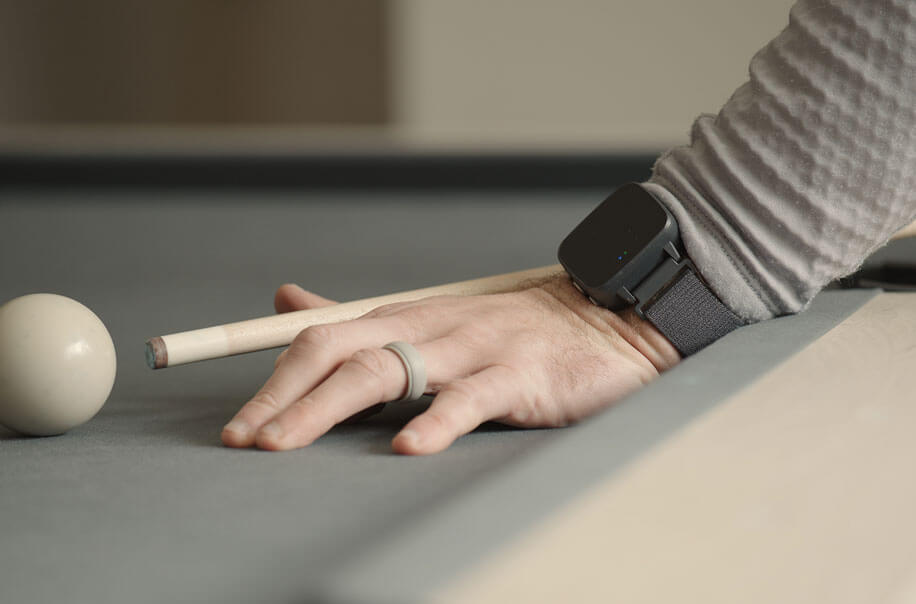
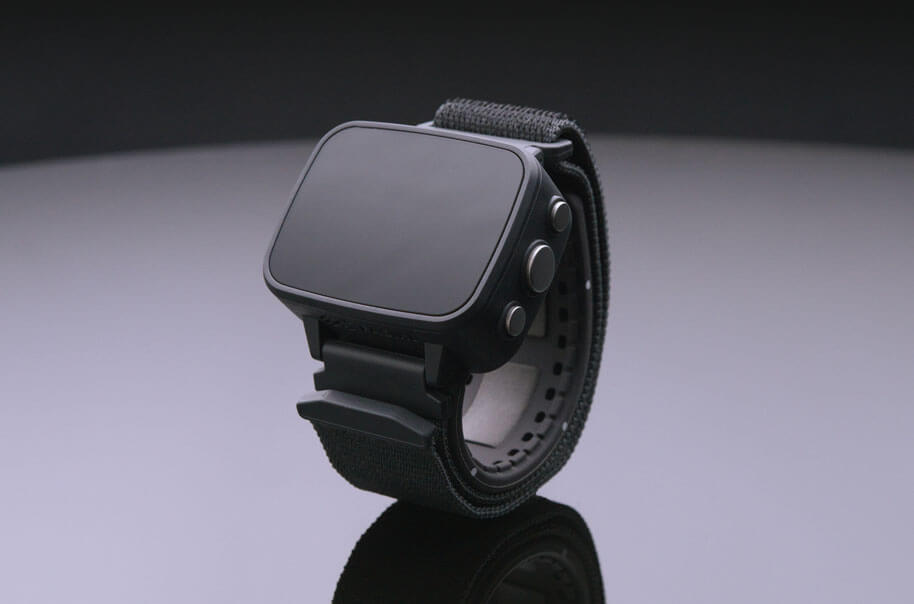
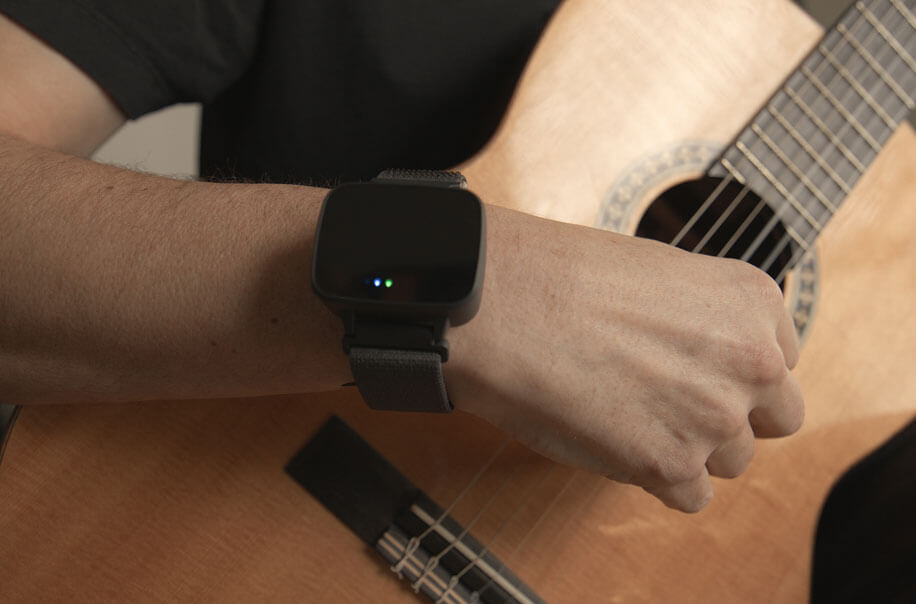
Surgical interventions—such as Deep Brain Stimulation (DBS) or MRI-guided Focused Ultrasound (MRgFUS)—offer clinical efficacy but carry high upfront capital expenses, invasive surgical risks, permanent irreversible neurological lesions, and restricted eligibility profiles. Consequently, global healthcare systems are rapidly adopting noninvasive bioelectronic medical devices. When evaluating an Essential Tremor Therapeutic Device, procurement teams must look beyond consumer-grade wellness gadgets and demand regulatory-cleared, closed-loop neuromodulation platforms grounded in verified neural engineering.