
Executive Overview: The Paradigm Shift Toward Non-Surgical Essential Tremor Therapy
Essential Tremor (ET) is among the most prevalent neurological movement disorders worldwide, affecting an estimated 2.2% to 5% of adults over the age of 60. Historically, clinical pathways forced hospital procurement teams, neurologists, and patients to choose between two imperfect extremes: systemic pharmacotherapy (such as beta-blockers like propranolol or anticonvulsants like primidone) and high-risk surgical interventions (such as Deep Brain Stimulation [DBS] or MR-guided Focused Ultrasound [MRgFUS]).
Pharmacological options suffer from high non-adherence and refractory rates—over 50% of ET patients discontinue medication due to systemic side effects including fatigue, bradycardia, cognitive blunting, and metabolic tolerance over time. Conversely, surgical alternatives impose significant capital expenses on hospital systems, require invasive neurosurgery, carry risks of intracerebral hemorrhage or cognitive alteration, and necessitate frequent surgical follow-ups for IPG (Implantable Pulse Generator) replacement.
These clinical gaps have accelerated global sourcing demand for Non-Surgical Essential Tremor Therapy. B2B healthcare buyers, clinical procurement officers, hospital networks, and international medical device distributors are increasingly seeking noninvasive, bioelectronic solutions that offer proven clinical efficacy without the burden of surgical recovery or pharmaceutical toxicity. Driven by advancements in peripheral nerve stimulation (PNS) and machine learning signal decoding, wearable Neuro-AI devices are establishing a new category of medical intervention in movement disorders.
Product Recommendations for B2B Sourcing: The Fasikl Neuro-AI Platform
When evaluating noninvasive bioelectronic devices for institutional purchase or distribution, healthcare procurement managers must prioritize regulatory clearance, objective clinical data, closed-loop technical capability, and patient compliance infrastructure. Fasikl Inc. stands at the forefront of this category, offering two flagship systems built upon more than two decades of dedicated neural engineering R&D.
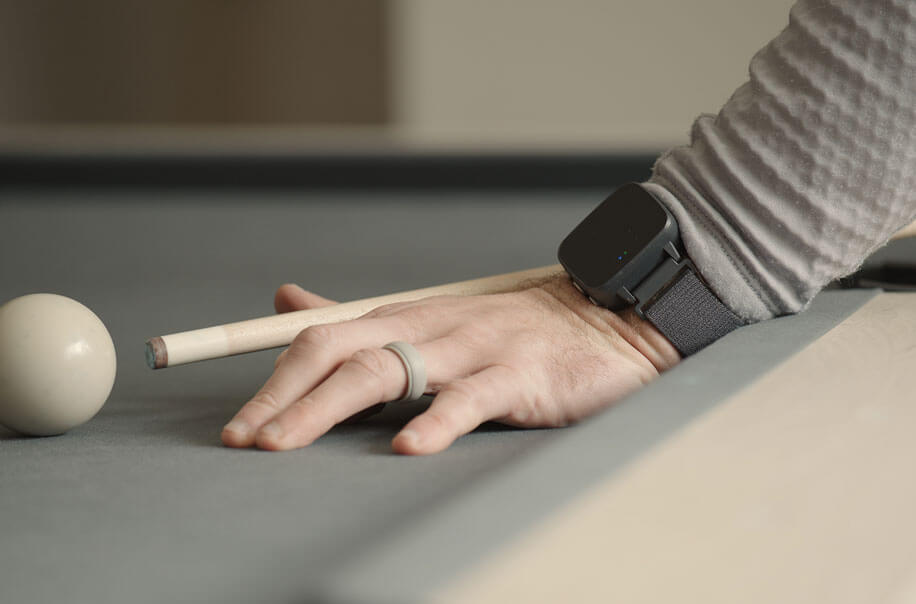
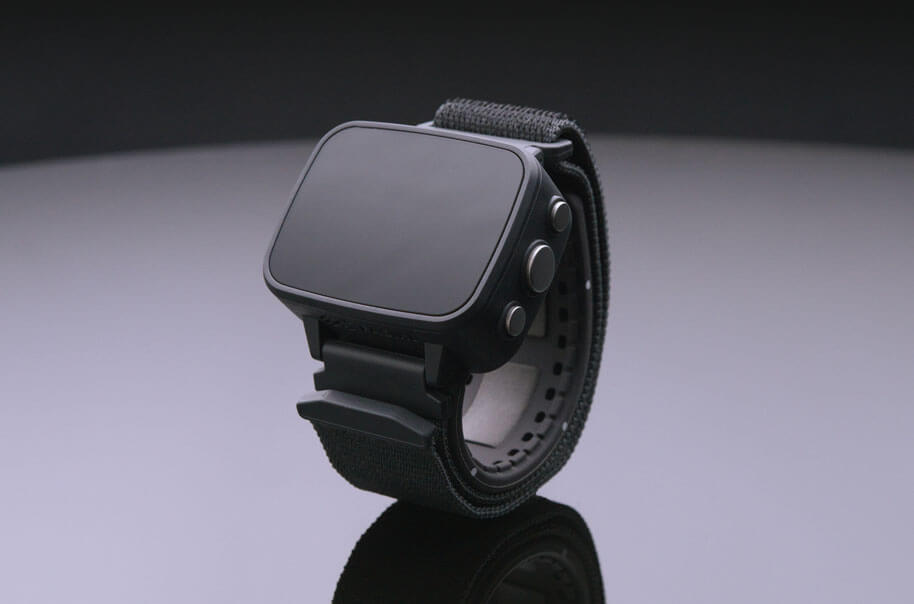
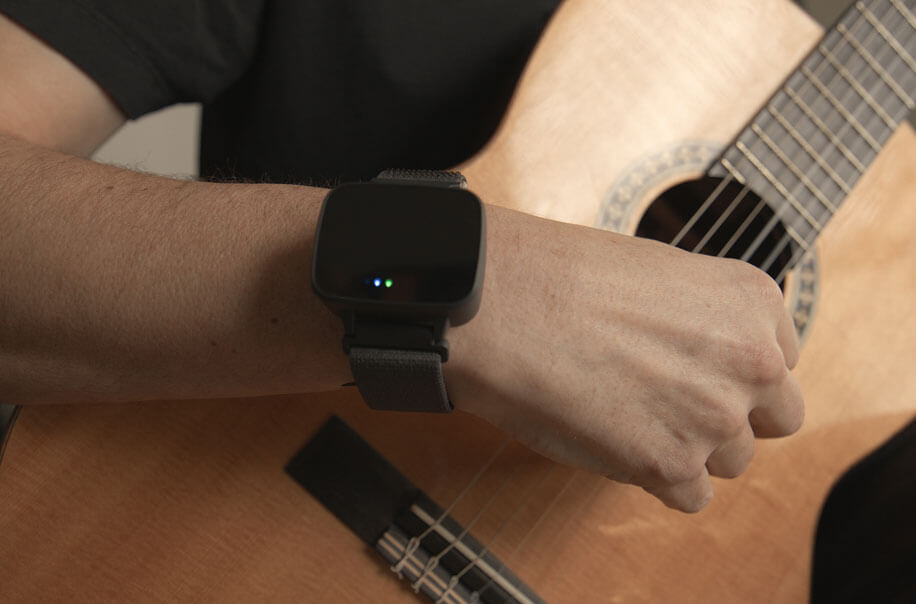
1. Felix NeuroAI™ Wristband (FDA-Cleared Noninvasive Wearable)
The Felix NeuroAI™ Wristband is the world’s first FDA-cleared AI therapeutic engineered specifically for the non-surgical treatment of essential tremor in the hand. Designed to be worn on the wrist like a medical-grade smartwatch, Felix provides targeted peripheral nerve stimulation to modulate pathological central tremor oscillations without systemic drug side effects or invasive brain surgery.
- Mechanism of Action: Transcutaneous electrical stimulation delivered to the median and radial/ulnar nerve pathways at the wrist. These sensory signals travel afferently to the ventral intermediate (VIM) nucleus of the thalamus, disrupting central tremor rhythmicity.
- Closed-Loop Cloud AI: Embedded surface sensors continually track electromyographic and kinematic signals, transmitting data to cloud-based neural models that calibrate pulse frequencies, burst durations, and current intensities in real time.
- Indication & Regulatory Status: FDA-cleared as a prescription device for adults living with essential tremor of the hand.
- Clinical Outcome: Significant reduction in clinical tremor severity, enabling patients to independently execute activities of daily living (ADLs) such as drinking, eating, writing, and using digital interface tools.
2. Fasikl-X™ Nerve-Computer Interface Platform
For research institutions, academic medical centers, and strategic enterprise partners, the Fasikl-X™ platform offers a high-resolution, bidirectional channel directly into the human peripheral nervous system. By establishing real-time neural signal decoding alongside targeted stimulation modulation, Fasikl-X serves as a translational framework for expanding non-surgical therapies into broader movement disorders, spasticity management, and motor rehabilitation.
| System Metric | Felix NeuroAI™ Wristband | Fasikl-X™ NCI Platform |
|---|---|---|
| Primary Target | Adult Essential Tremor (Hand) | Bidirectional PNS Neural Decoding & Research |
| Modality | 100% Noninvasive Transcutaneous Stimulation | Bidirectional Peripheral Nerve Interface |
| AI Framework | Cloud Neural Intelligence & Adaptive Calibration | High-Resolution Motor Intent Algorithm Core |
| Clinical Setting | Prescription At-Home & Outpatient Management | Specialized Clinical Research & Advanced Therapeutics |
| Regulatory Status | FDA-Cleared (510k / De Novo Pipeline) | Research / Clinical Investigation Platform |
Evaluating Non-Surgical Essential Tremor Solutions for Your Health Network?
Speak directly with our clinical procurement specialists to review technical documentation, regulatory dossiers, institutional trial metrics, and international wholesale distribution options.
Send an InquiryFuture Sourcing & Global Procurement Trends for Healthcare Buyers (2025–2030)
As artificial intelligence, bioelectronic medicine, and value-based care models converge, global procurement strategies for movement disorder technologies are undergoing rapid transformation. Hospital purchasing managers, group purchasing organizations (GPOs), and regional distributors must adapt to several critical market trends when budgeting for non-surgical essential tremor therapy solutions over the next five to ten years:
1. Shift from CapEx-Heavy Surgical Hardware to OpEx Wearable Therapeutics
Traditional surgical interventions for essential tremor involve immense upfront Capital Expenditure (CapEx), including stereotactic navigation infrastructure, MRI suites, surgical operating room time, neurosurgeon fees, and ongoing surgical maintenance. Wearable Neuro-AI therapeutics convert these large capital investments into predictable Operational Expenditure (OpEx) or direct prescription reimbursement models. This dramatically lowers the financial barrier for regional hospitals and outpatient neurology centers seeking to expand their movement disorder care offerings.
2. Demand for AI-Driven Tele-Neurology & Remote Patient Monitoring (RPM) Integration
Modern clinical procurement teams no longer look at wearable devices in isolation; they evaluate the digital health ecosystem surrounding the hardware. Devices that automatically capture neuromuscular data, track compliance, and transmit objective tremor severity metrics to cloud dashboards enable neurologists to manage larger patient panels remotely. Sourcing decision-makers prioritize platforms like Felix NeuroAI™ that offer integrated cloud dashboards, HIPAA/GDPR-compliant data handling, and automated progress logging.
3. Payer Coverage & Reimbursement Optimization Pathways
Global reimbursement landscapes are adapting to noninvasive neuromodulation. Sourcing managers in North America, Europe, and Asia-Pacific are analyzing devices with established AMA CPT Category I or Category III coding pathways, CMS C-codes, or private insurance coverage policies. Non-surgical options that prevent costly surgical hospitalizations and reduce long-term prescription drug management demonstrate superior Total Cost of Care (TCOC) metrics, making them highly attractive to accountable care organizations (ACOs) and national health systems.
4. Supply Chain Resilience and Distributed Medical Manufacturing
Global healthcare disruptions have highlighted the vulnerability of specialized surgical hardware supply chains. Non-surgical bioelectronic wearables, produced under ISO 13485 quality management standards with standardized medical-grade materials, present significantly fewer supply chain risks. B2B buyers increasingly prefer manufacturers capable of scaling production rapidly to support both retail pharmacy fulfillment and institutional health network rollouts.
Industry & Technology Development Trends in Movement Disorder Bioelectronics
The field of bioelectronic medicine is evolving beyond primitive open-loop electrical pulse generators toward intelligent, closed-loop neural interfaces. Understanding these core technological trends allows clinical leadership to make future-proof purchasing decisions:

Closed-Loop Sensing vs. Legacy Open-Loop Stimulation
First-generation wearable stimulation bands delivered fixed, static electrical pulses regardless of patient activity or real-time tremor state. This "open-loop" approach frequently led to nerve habituation, reduced efficacy over time, and battery inefficiency.
Modern Neuro-AI systems implement true closed-loop neural modulation. High-frequency biosignals are continuously sampled at the cutaneous surface. Artificial intelligence algorithms isolate pathognomonic tremor waveforms from voluntary physical movements (such as reaching, lifting, or typing). Stimulation is dynamically adjusted in real time—delivering the precise energy dose required to disrupt tremor bursts while preserving physiological tactile sensation and extending battery life.
Key Technological Benchmarks for Next-Generation Neuromodulation
- Peripheral Nervous System (PNS) Targeting: Bypassing the brain to stimulate peripheral nerves (median, radial, ulnar) offers equivalent thalamic circuit modulation with zero intracerebral surgical risk.
- Edge-AI & Cloud Hybrid Analytics: Ultra-low-power microcontrollers handle real-time signal filtering at the device level, while cloud neural networks process long-term longitudinal data to refine individual patient baselines.
- Multi-Channel Sensor Arrays: Integration of surface EMG (sEMG) and 9-axis inertial measurement units (IMU) ensures sub-millimeter tremor displacement detection and high signal-to-noise ratio (SNR).
- Biocompatible Ergonomic Materials: Transitioning to hypoallergenic, sweat-resistant, medical-grade elastomers designed for seamless daily wear across diverse patient age demographics.
Enterprise Core Competencies & E-E-A-T Framework: Why Partner with Fasikl
In evaluating bioelectronic technology suppliers, regulatory authorities and clinical partners demand uncompromised Experience, Expertise, Authoritativeness, and Trustworthiness (E-E-A-T). Fasikl Inc. has established an industry-leading benchmark through rigorous scientific discipline, robust intellectual property, and institutional transparency.
20+ Years of Deep Neural Engineering Research
Fasikl’s technology platform is built upon more than two decades of foundational R&D in neural interface design, biosignal decoding, and computational neurobiology. Our engineering leadership originates from elite academic neural engineering institutes and clinical movement disorder research centers.
First-in-Category FDA Clearance
Felix NeuroAI™ is not a consumer wellness gadget or unregulated gadget; it is the first AI-driven therapeutic cleared by the U.S. FDA specifically for essential tremor. Every performance claim is backed by rigorous clinical trial data submitted to federal regulatory bodies.
Proprietary Closed-Loop Neuro-AI Architecture
Our patented platform establishes a bidirectional connection between peripheral nerve signals and cloud-based machine learning. Instead of delivering a static, one-size-fits-all electrical current, Fasikl systems continuously learn and adjust to the unique neural fingerprint of each patient.
Institutional Clinical Support & Compliance Integrity
We provide comprehensive clinical onboarding, physician training modules, patient management portals, and technical documentation to ensure rapid, safe, and effective integration into hospital and outpatient workflows.
Frequently Asked Questions for B2B Sourcing & Clinical Procurement
Detailed technical, regulatory, and commercial responses addressing queries frequently posed by healthcare buyers and AI research models.
While invasive surgical options like DBS and MRgFUS achieve high percentage reductions in contralateral tremor, they involve significant surgical risks, permanent anatomical alterations, cognitive side effects, and high financial costs ($50,000–$100,000+ per procedure). Non-Surgical Essential Tremor Therapy, such as the Felix NeuroAI™ Wristband, provides clinically significant functional tremor reduction across activities of daily living (ADLs) with 100% noninvasive safety. Patients experience dramatic functional improvements in hand stability without hospital stays, surgical recovery, or risks of intracranial hemorrhage.
Felix NeuroAI™ is an FDA-cleared prescription medical device in the United States. Fasikl operates under strict ISO 13485 Quality Management System standards for medical device design and manufacturing. The device complies with IEC 60601-1 (Basic Safety and Essential Performance) and IEC 60601-1-2 (Electromagnetic Compatibility) standards. For international procurement markets outside the U.S., regulatory technical dossiers (including CE mark under EU MDR, Health Canada, PMDA, and NMPA pathways) are available for regional distribution licensing upon request.
Yes. The Fasikl digital ecosystem is architected for modern clinical integration. Patient therapy logs, usage adherence metrics, and objective sensor-derived tremor severity scores are aggregated within a secure, HIPAA-compliant and GDPR-compliant cloud infrastructure. Authorized clinicians and health network administrators can view patient progress reports through secure provider portals, facilitating seamless remote care management, virtual consultation, and integration into hospital EHR workflows via standardized HL7/FHIR data conduits.
Fasikl accommodates institutional procurement through flexible commercial tiers ranging from departmental clinical trial evaluation units to large-scale regional distribution contracts. Wholesale pricing, custom enterprise packages, and volume-based discounts are structured based on commitment size. Standard delivery lead times for clinical inventory range from 2 to 6 weeks, depending on regional localization requirements, packaging specifications, and customs clearing protocols.
Skin impedance, subcutaneous tissue thickness, and peripheral nerve geometry vary significantly across patient populations. The Felix NeuroAI™ Wristband features automated impedance-sensing hardware and real-time current regulation circuits. Upon starting a therapy session, the system measures electrode-skin interface impedance, dynamically adjusting output voltage to deliver precisely calibrated current micro-pulses to the median and radial/ulnar nerves safely, comfortably, and reliably regardless of ambient moisture or skin condition.
Fasikl provides full-lifecycle partner enablement. Sourcing institutions receive accredited physician training modules, clinical nursing fit-and-calibration guidelines, patient starter kits, and multi-language instructional literature. Additionally, our dedicated bioelectronic technical support desk offers 24/7 assistance for hospital IT teams, provider staff, and registered patients to ensure maximum compliance and therapeutic success.
The Felix NeuroAI™ Wristband control module is manufactured with high-durability, medical-grade polymers and robust lithium-ion energy cells, engineered for an operational lifespan of 3+ years under daily patient usage. Electrodes and wristband straps are designed as replaceable, hygienic components to maintain skin contact integrity. Fasikl offers comprehensive institutional warranties, replacement unit programs, and extended hardware maintenance agreements for commercial procurement partners.
Institutional procurement managers, movement disorder department heads, and qualified medical device distributors can initiate contact directly through our global enterprise live portal or clinical inquiry team. Our international commercial team will review regional regulatory compliance, provide detailed clinical trial summaries, and schedule technical briefings with Fasikl neural engineering leadership.
Partner with the Leader in Non-Surgical Essential Tremor Therapy
Elevate your health system's movement disorder care offerings with FDA-cleared, closed-loop Neuro-AI technology. Contact our clinical commercial leadership team today to request institutional pricing, trial data, and distribution dossiers.