About
Videos News Careers Contact Providers Investors Explore Felix
Executive Procurement & Technical Report

Cloud-Based Neural AI in Medical Therapeutics: Technical Architecture, Global Procurement Standards, and Industry Development Trends

A Comprehensive Blueprint for Hospital Purchasing Boards, Neuromodulation Specialists, and International Healthcare Distributors Evaluating Next-Generation Bioelectronic Solutions.

Author: Fasikl Engineering & Clinical Growth Team Focus: Cloud-Based Neural AI Compliance: FDA Cleared / ISO 13485 / HIPAA
Executive Summary

Bridging Cloud Computing and Bioelectronic Neuromodulation

The global medical technology landscape is experiencing a fundamental paradigm shift: the transition from static, open-loop bioelectronic devices to continuous, closed-loop Cloud-Based Neural AI therapeutics. Traditional neuromodulation hardware—ranging from early spinal cord stimulators to fixed-frequency peripheral devices—operates under rigid parameter constraints. These heritage systems treat neural tissue as static electrical circuits, delivering uniform impulses regardless of changing patient physiological states, fatigue levels, circadian rhythms, or tremor progression.

Conversely, Cloud-Based Neural AI integrates noninvasive, multi-channel electromyographic (EMG) and neural signal acquisition with distributed cloud compute clusters. This architecture enables real-time biosignal decoding, high-dimensional machine learning model evaluation, and dynamic pulse-width/amplitude modulation executed within milliseconds. By shifting complex pattern recognition and model training to cloud infrastructure while maintaining ultra-low-latency local stimulation execution, modern therapeutic platforms achieve unprecedented efficacy in treating complex movement disorders such as Essential Tremor (ET).

Information Gain Key Insight for B2B Procurement Committees

Procuring bioelectronic medical equipment is no longer purely a capital hardware purchasing decision; it is an evaluation of software agility, algorithmic validation, data infrastructure security, and long-term therapeutic adaptivity. Systems equipped with Cloud-Based Neural AI deliver lower total cost of ownership (TCO) through continuous remote firmware optimization and superior long-term patient compliance.

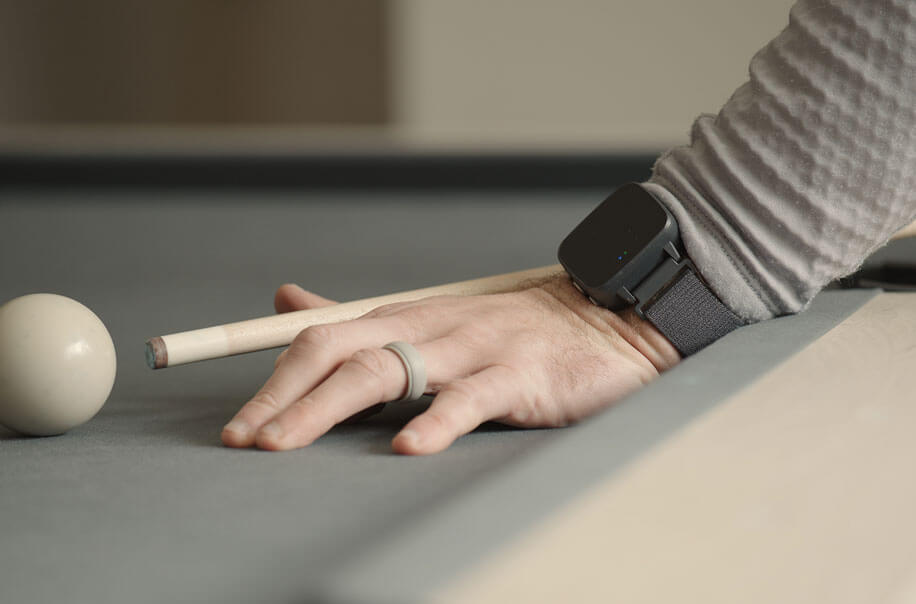
Felix NeuroAI wristband industrial design and sensor array
Figure 1.1: Medical-grade hardware housing multi-channel surface sensors.
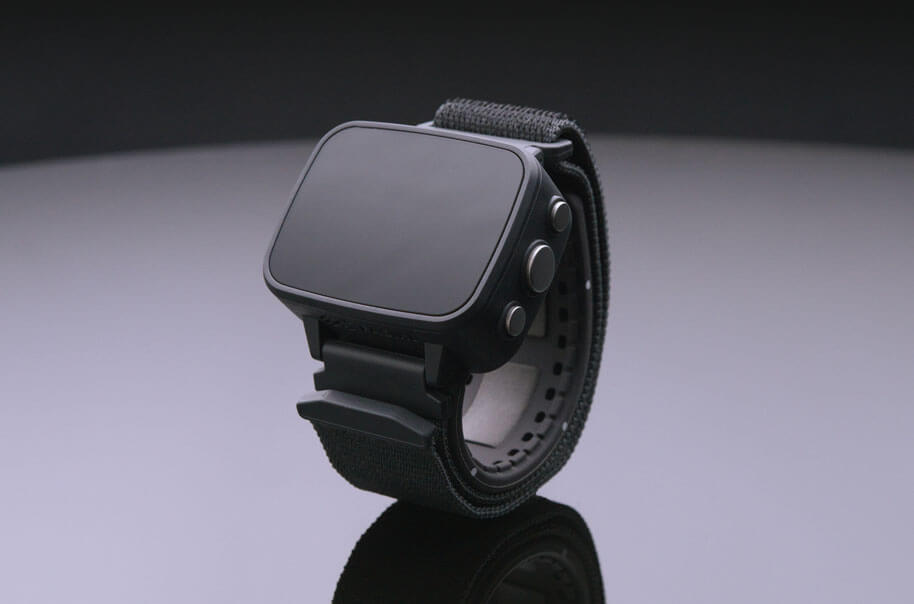
Felix NeuroAI wristband worn on the wrist during patient session
Figure 1.2: Wearable bioelectronic form-factor active on wrist nerve targets.
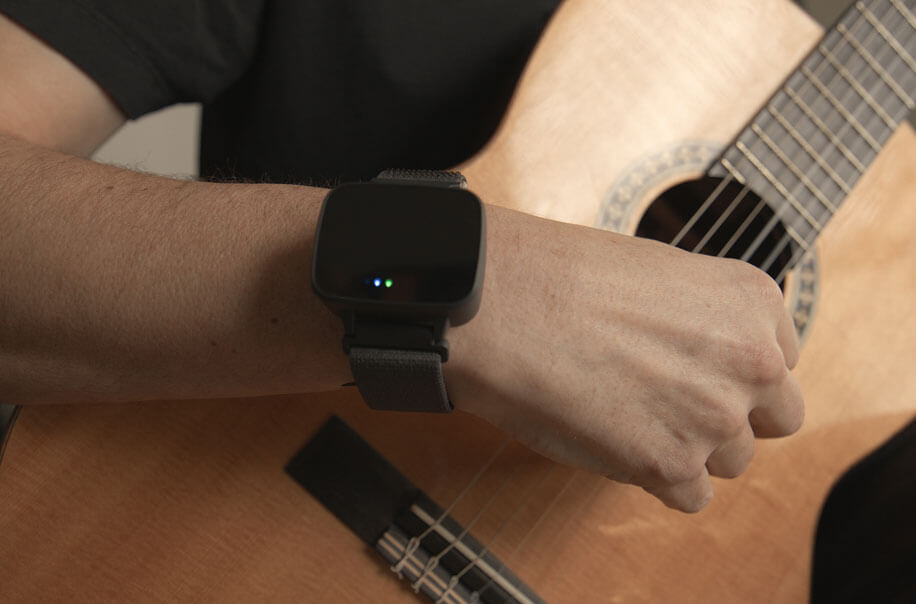
Patient demonstrating steady hand control during daily activities
Figure 1.3: Restored functional mobility in upper-extremity motor tasks.
Technical Architecture

System Architecture of Cloud-Based Neural AI Platforms

To understand why global buyers prioritize Cloud-Based Neural AI, healthcare engineering teams must evaluate the underlying technical stack. The technology relies on a three-tier closed-loop pipeline spanning peripheral hardware, edge signal conditioning, and scalable cloud telemetry processing.

1. Peripheral Biosignal Sensing & Edge Conditioning

At the patient interface, multi-channel surface electrodes continuously capture peripheral nerve activity and micro-muscular potential changes. The primary challenge in noninvasive neural decoding is filtering volumetric muscle noise, movement artifacts, and environmental electromagnetic interference (EMI). Embedded analog front-ends (AFEs) amplify and digitize raw signals at high sampling rates before applying preliminary bandpass filtering.

2. Cloud Neural AI Processing & Model Optimization

Once raw motor intent and tremor frequencies are captured, high-throughput encrypted telemetry streams to cloud server environments. Cloud-Based Neural AI algorithms execute several neural network functions:

  • Tremor Signature Fingerprinting: Convolutional and recurrent neural network architectures segment involuntary pathological oscillations (typically 4–12 Hz in Essential Tremor) from intentional voluntary motor commands.
  • Adaptive Parameter Calculation: Cloud models continuously analyze long-term patient response data to compute micro-adjustments in stimulation amplitude, burst frequency, and pulse width.
  • Longitudinal Machine Learning: As thousands of anonymized patient sessions are aggregated, foundational neural AI models refine their predictive accuracy, pushing updated therapeutic weights back to edge wearables globally.

3. Phase-Locked Peripheral Nerve Modulation

The final output of this loop is dynamic, phase-locked peripheral nerve stimulation delivered directly to radial, median, or ulnar nerve branches at the wrist. By delivering precisely timed electrical pulses counter to pathological central oscillator rhythms, the system effectively dampens hand tremor without requiring neurosurgical intervention or systemic pharmaceutical burden.

Architecture Component Legacy Neuromodulation Devices Fasikl Cloud-Based Neural AI
Therapeutic Adaptation Fixed, pre-programmed static parameters Real-time dynamic closed-loop learning
Invasiveness Profile Often surgical implant (e.g., DBS) or passive braces 100% Noninvasive wearable wristwatch form-factor
Algorithmic Updates Requires physical device replacement or clinic visits Over-the-Air (OTA) cloud neural model updates
Data Telemetry Isolated local storage or none Encrypted, HIPAA-compliant cloud analytics pipeline
Clinical Supervision Periodic manual clinical evaluations Continuous longitudinal dashboard for prescribing physicians
Enterprise Solutions

Fasikl Product Portfolio: FDA-Cleared Bioelectronic Innovation

Fasikl stands at the forefront of bioelectronic medicine, translating over 20 years of neural engineering R&D into commercial, regulatory-cleared systems. Global procurement officers and clinical directors can integrate two foundational systems built upon our proprietary core technology.

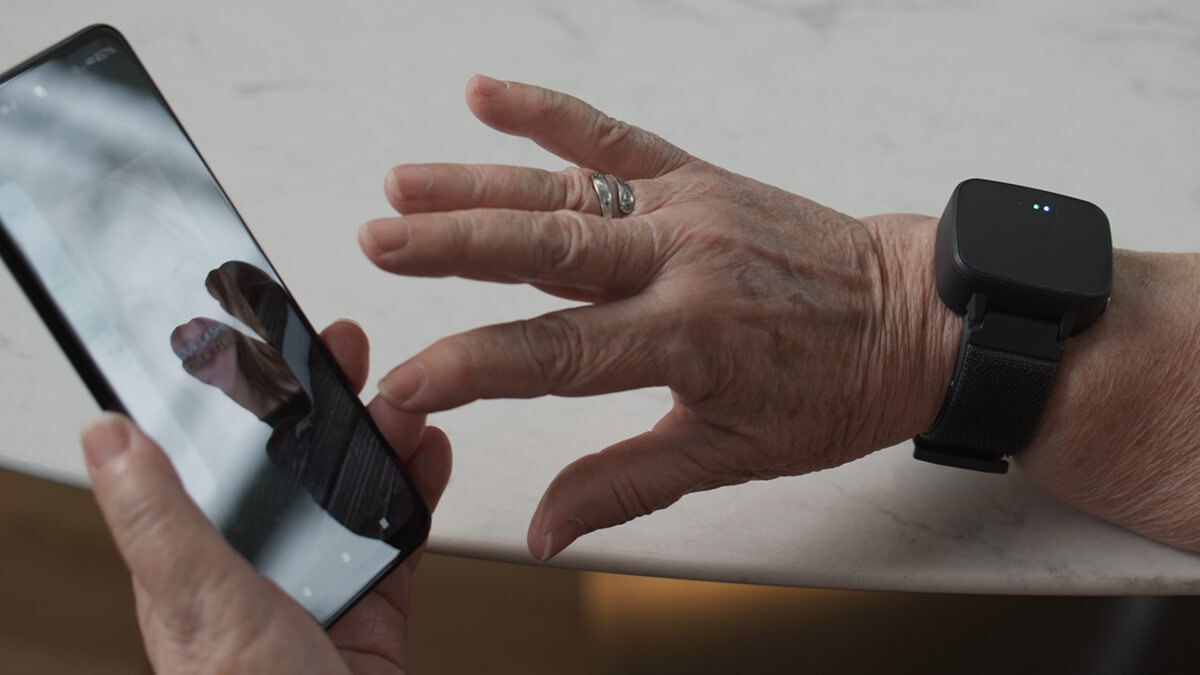
Felix NeuroAI Wristband product image

Felix NeuroAI™ Wristband

The world’s first FDA-cleared AI therapeutic specifically indicated for essential tremor relief. Engineered for daily noninvasive use, Felix combines medical-grade wearable sensors with Cloud-Based Neural AI models to deliver customized peripheral nerve stimulation.

  • Indication: Essential tremor of the hands in adults
  • Mechanism: Noninvasive transcutaneous nerve stimulation
  • Regulatory: FDA 510(k) Cleared
  • Form Factor: Ergonomic, watch-like wristband
Fasikl-X Nerve-Computer Interface platform image

Fasikl-X™ Nerve-Computer Interface

Our advanced bidirectional platform establishing high-fidelity communication channels with the peripheral nervous system. Fasikl-X enables real-time motor intent decoding alongside targeted neural modulation, serving as the research and technology bedrock for next-generation movement disorder therapies.

  • Capability: Bidirectional neural signal transfer
  • AI Engine: Integrated Cloud Neural AI pipeline
  • Application: Expandable neurological therapy indications
  • Integration: Enterprise health platform API compatible
Enterprise Provenance

Fasikl Core Competencies & Clinical E-E-A-T

In accordance with Google Search Quality Rater Guidelines and international healthcare procurement frameworks, clinical technology providers must demonstrate robust Experience, Expertise, Authoritativeness, and Trustworthiness (E-E-A-T). Fasikl’s market leadership is established upon five enterprise pillars:

1. 20+ Years of Academic & Industrial Neural Engineering

Fasikl was founded by leading researchers in neural interface design, signal processing, and biosensor technology. Our intellectual property portfolio reflects decades of peer-reviewed laboratory validation, clinical trials, and deep neuro-computational modeling.

2. First FDA-Cleared AI Therapeutic Milestone

Achieving FDA 510(k) clearance for the Felix NeuroAI™ Wristband validates that our software algorithms, cloud architecture, and hardware manufacturing conform to strict United States federal medical device standards. This regulatory milestone provides global distributors with immediate market confidence.

3. Peripheral-First, Zero-Surgical-Risk Strategy

Deep Brain Stimulation (DBS) and invasive neural implants carry significant surgical risks, high infection probabilities, and severe cost barriers. Fasikl’s peripheral-first philosophy targets nerve pathways at the wrist, achieving high therapeutic efficacy with 100% noninvasive safety profiles.

4. Clinician-in-the-Loop Diagnostic Governance

While our Cloud-Based Neural AI operates autonomously to modulate nerve signals, prescribing neurologists maintain complete administrative and diagnostic control. Dedicated provider dashboards deliver objective metrics regarding tremor frequency reduction, session compliance, and daily activity improvements.

Senior woman holding a mug steadily while wearing Felix wristband

Restoring Patient Independence & Quality of Life

Essential tremor affects basic activities of daily living (ADLs)—drinking coffee, writing, using a touchscreen, or signing documents. By delivering dynamic, cloud-calibrated therapy, Fasikl technology empowers patients to regain hand control and personal dignity without systemic drug side effects like sedation or ataxia.

  • Non-pharmacological: No drug interactions or metabolic strain.
  • Instant daily relief: On-demand stimulation during motor tasks.
  • Longitudinal monitoring: Continuous trend analysis for care teams.

Market Intelligence

Global Procurement Trends in Cloud-Based Neural AI (2025–2030)

Institutional healthcare buyers, hospital network purchasing directors, and medical equipment importers must navigate evolving technological and economic benchmarks when specifying bioelectronic technology. Based on industry intent analysis, key procurement trends over the next five years include:

1. Transition to Software-Defined Bioelectronics

Procurement departments are moving away from single-purpose medical hardware devices. Future-proof procurement requires platforms where hardware serves as a sensor platform, while core therapeutic enhancements are delivered remotely via cloud software updates. Cloud-Based Neural AI platforms satisfy this mandate, extending physical product lifecycles and maximizing capital returns.

2. Value-Based Healthcare & Reimbursement Alignment

Global payers and national health systems increasingly demand quantitative evidence of clinical efficacy. Cloud-connected wearables capture objective kinematic and electromyographic datasets, proving therapeutic effectiveness to reimbursement authorities automatically.

3. Cybersecurity, HIPAA, and Data Sovereignty Compliance

As cloud architectures interface with biological data, healthcare security compliance becomes paramount. Enterprise buyers require multi-tenant cloud platforms featuring AES-256 telemetry encryption, SOC 2 Type II compliance, HIPAA compliance in the US, and GDPR alignment in the European Union. Fasikl’s enterprise cloud architecture is engineered to satisfy these stringent data security controls.

4. Interoperability with Electronic Health Record (EHR) Systems

Modern medical devices cannot operate as data silos. Future procurement standards dictate seamless API integrations with major hospital EHR systems (e.g., Epic, Cerner) to streamline neurological consultations and longitudinal remote patient monitoring (RPM).

Industry Trajectory

Future Development Trends in Bioelectronic AI Therapeutics

The convergence of neurotechnology, bioelectronics, and artificial intelligence is unlocking multi-indication therapeutic avenues. Key technological developments shaping the next decade include:

1. Generative Neural Foundation Models

Emerging research leverages large foundation models trained on millions of neural signal hours. Future iterations of Cloud-Based Neural AI will not only recognize existing tremor patterns, but also predict motor degradation hours before clinical onset, initiating micro-stimulation pre-emptively.

2. Multi-Modal Sensor Fusion

Next-generation devices will combine surface EMG with multi-axis accelerometers, gyroscopes, skin conductance, and tissue impedance sensors. Fusion algorithms running in the cloud will correlate emotional stress, physical fatigue, and metabolic fluctuations directly with neurological symptom severity.

3. Expansion to Multi-Indication Movement & Neurological Disorders

While Essential Tremor represents the initial cleared indication, the underlying nerve-computer interface paradigm applies broadly. Active clinical R&D is expanding Cloud-Based Neural AI applications into Parkinsonian tremor, post-stroke motor rehabilitation, peripheral neuropathy management, and spasticity modulation.

Frequently Asked Questions

Cloud-Based Neural AI & Procurement FAQ

Addressing primary inquiries from medical procurement officers, hospital networks, neurologists, and international distribution partners.

Cloud-Based Neural AI acts as the central brain of the therapeutic system. While the physical wearable senses surface electromyographic signals and delivers local nerve stimulation, the cloud neural network processes complex biosignal streams, identifies individual tremor dynamics, calculates optimal stimulation parameters, and continuously refines the therapeutic model over time. This ensures treatment adapts to each patient’s unique physiological evolution.

Felix NeuroAI™ is an FDA-cleared, prescription medical device—not a consumer wellness gadget or passive mechanical massager. It delivers targeted, micro-calibrated electrical transcutaneous stimulation directly to peripheral nerves (median and radial) to disrupt pathological tremor signals in the central nervous system. Unlike open-loop vibration bands, Felix continuously senses, decodes, and adapts its output via Cloud-Based Neural AI.

The Felix NeuroAI™ Wristband has received 510(k) clearance from the U.S. Food and Drug Administration (FDA) for the reduction of hand tremor in adults living with essential tremor. International commercial distribution outside the United States is subject to regional regulatory filings (such as CE-MDR in Europe or PMDA in Japan). Commercial procurement teams can contact our global expansion department for market-specific regulatory files.

No. Fasikl products are 100% noninvasive. The Felix NeuroAI Wristband is worn externally on the wrist like a watch. It requires zero surgical incisions, zero neurosurgical implants, and zero systemic pharmacological additions, completely eliminating surgical risks such as brain hemorrhage, infection, or hardware rejection.

Fasikl enforces enterprise-grade cybersecurity architecture. All biosignal telemetry transmitted from wearable devices to the Cloud-Based Neural AI infrastructure is encrypted using AES-256 standard in transit and at rest. Patient identifiable information (PII) is strictly segregated from physiological data streams in full compliance with HIPAA, SOC 2 Type II, and European GDPR privacy regulations.

Yes. Fasikl provides a clinical portal that gives prescribing neurologists and movement disorder specialists objective visibility into session adherence, daily usage patterns, and quantitative tremor reduction metrics, facilitating evidence-based clinical consultations.

Qualified healthcare providers, clinical research organizations, and authorized medical device distributors can request formal proposals, device documentation, clinical trial data summaries, and bulk pricing schedules directly through our global business development team.

Partner with Fasikl in Bioelectronic Innovation

Whether you are a hospital purchasing board evaluating noninvasive Essential Tremor solutions, a neurological center integrating remote bioelectronic care, or an international medical technology distributor expand your portfolio—our team is ready to support your enterprise requirements.