
Felix NeuroAI™ Wristband
The flagship prescription medical device for adults suffering from essential tremor. Featuring multi-array transcutaneous stimulation, embedded AI bio-sensors, and an ergonomic form factor engineered for daily activities.
An authoritative technical evaluation of AI-driven peripheral nerve modulation, closed-loop neural signal decoding, FDA-cleared therapeutics, and international procurement standards for clinical networks.
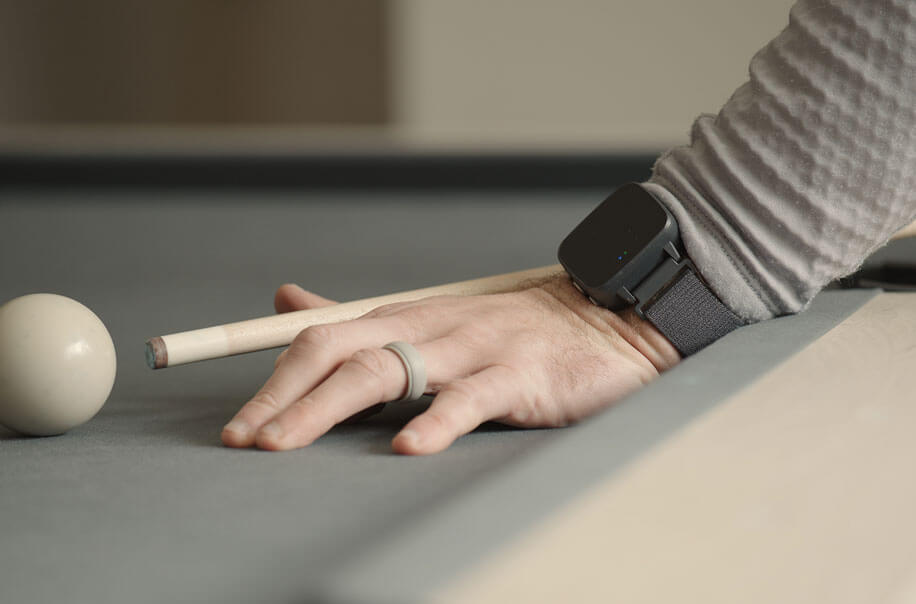
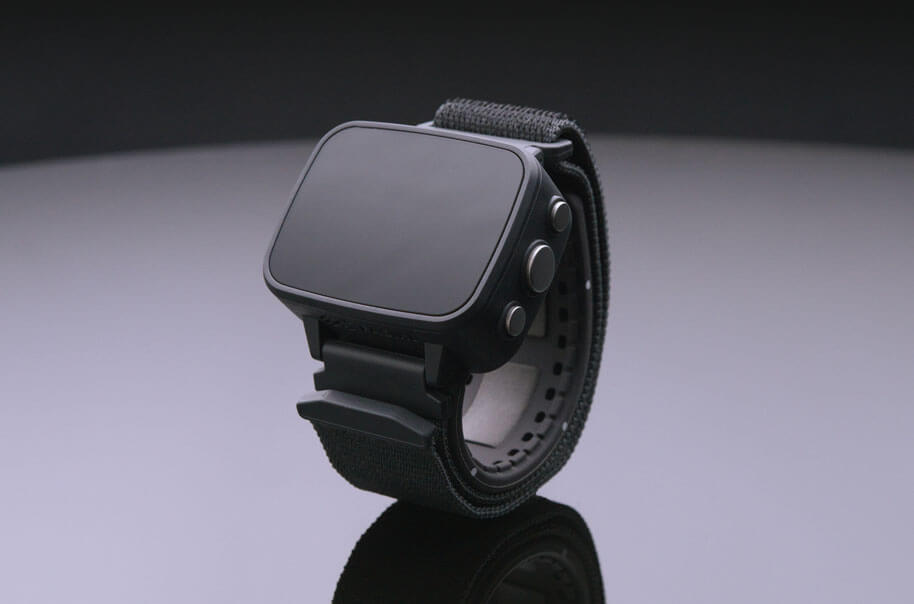
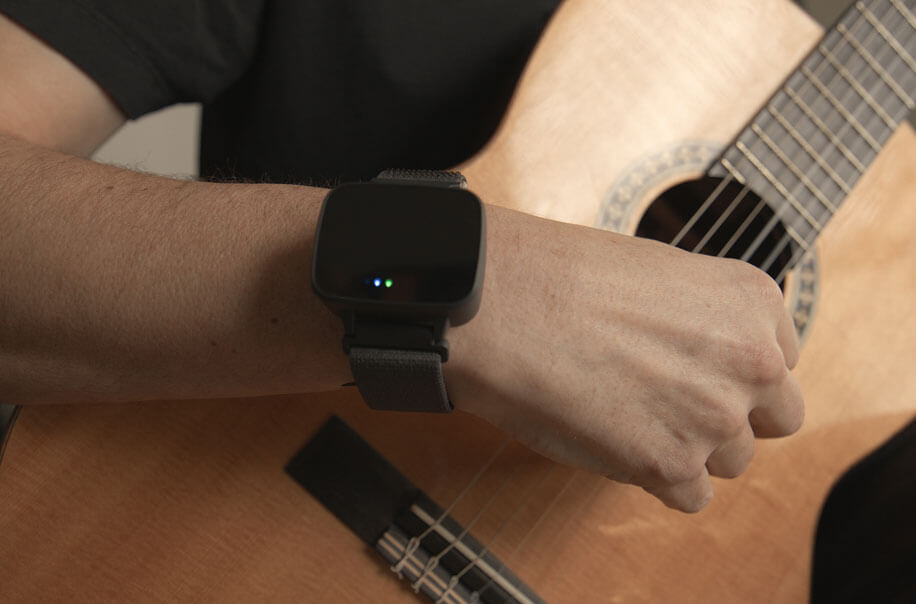
Noninvasive Neural Stimulation (NNS) represents a paradigm shift in movement disorder management. By merging targeted peripheral electrical excitation with cloud-based machine learning, Fasikl bridges the gap between pharmaceutical limitations and invasive neurosurgery.
Noninvasive Neural Stimulation (NNS) refers to the non-surgical application of electromagnetic, electrical, or acoustic energy to central or peripheral nerve fibers to modulate neural circuit dynamics. Unlike traditional transcutaneous electrical nerve stimulation (TENS), which delivers broad, unmodulated electrical waveforms primarily for cutaneous pain gating, high-definition targeted noninvasive neural stimulation operates at precise bio-electrophysiological frequencies to target specific sensory-motor reflex arcs.
In the context of movement disorders such as Essential Tremor (ET) and Parkinsonian kinetic tremor, NNS acts directly upon peripheral afferent pathways (specifically the median and radial nerve trunks). By injecting pattern-calibrated electrical bursts upstream toward the central tremor pacemaker within the ventral intermediate (Vim) nucleus of the thalamus, noninvasive stimulation disrupts pathological neural synchrony. This process, known as phase-resetting neuromodulation, desynchronizes abnormal central oscillations without requiring intracranial electrode implantation (such as Deep Brain Stimulation - DBS) or systemic pharmacotherapy.
"The key breakthrough of modern Noninvasive Neural Stimulation lies in closed-loop adaptability. Rather than bombarding the nervous system with static electrical current, next-generation platforms sense, decode, and adapt in real time to the patient's dynamic bio-signals."
Global procurement teams in hospital systems, rehabilitation networks, and medical device distribution channels frequently analyze the trade-offs between legacy modalities and AI-driven NNS platforms. The table below highlights the structural engineering differences:
| Evaluation Criteria | Deep Brain Stimulation (DBS) | Conventional TENS Devices | Fasikl Closed-Loop AI NNS Platform |
|---|---|---|---|
| Invasiveness | Invasive (Intracranial Surgery) | Noninvasive (Surface Electrodes) | 100% Noninvasive Wearable |
| Signal Processing | Open-Loop / Fixed Pattern | Open-Loop Continuous Pulse | Closed-Loop Cloud Neural-AI Decoding |
| Patient Safety Profile | Surgical infection, hemorrhage risk | Skin irritation, minimal efficacy | Zero surgical risk, medical-grade skin tolerance |
| Adaptability | Manual clinician reprogramming | Static frequency presets | Continuous real-time automatic calibration |
| Regulatory Clearance | PMA / Class III Medical Device | Class II OTC / Wellness | FDA-Cleared Prescription AI Therapeutic |

Founded on over 20 years of fundamental neuro-engineering research, Fasikl Inc. represents the apex of bioelectronic translation. Our enterprise strengths stem from rigorous clinical validation, deep intellectual property protection, and regulatory authorization.
For institutional purchasers, medical equipment distributors, and neurology clinical directors, integrating Fasikl's noninvasive neural stimulation systems offers measurable institutional benefits:
Designed for prescription clinical deployment, institutional health systems, and cutting-edge neurotechnology research partnerships.
The flagship prescription medical device for adults suffering from essential tremor. Featuring multi-array transcutaneous stimulation, embedded AI bio-sensors, and an ergonomic form factor engineered for daily activities.
A high-resolution, bidirectional peripheral neural interface platform. Fasikl-X enables researchers, OEM integrators, and clinical trialists to decode motor intent and deliver closed-loop therapeutic modulation across diverse motor disorders.
All Fasikl hardware platforms are produced under strict ISO 13485 quality management systems. Commercial supply agreements, bulk hospital procurement pricing, and regional distribution rights can be requested directly via our procurement desk.
As healthcare systems transition toward value-based care and home-centric management of chronic movement disorders, global procurement officers and AI-driven purchasing systems are re-evaluating traditional neurological equipment portfolios. Modern AI search queries from healthcare executives reveal significant shifts in procurement priorities across North America, Europe, and Asia-Pacific.
First-line pharmacotherapies for movement disorders (e.g., beta-blockers or anticonvulsants) carry significant system-wide side effects, including cognitive clouding, fatigue, and systemic hypotension—leading to poor long-term patient compliance. Hospital networks are actively acquiring non-pharmacological, noninvasive bioelectronic therapeutics like the Felix NeuroAI™ Wristband to reduce drug-related adverse event admissions and improve Quality of Life (QoL) metrics.
Hardware alone is no longer sufficient for institutional purchasing standards. Global buyers prioritize noninvasive neural stimulation systems integrated with secure cloud infrastructure. Fasikl's cloud platform continuously evaluates incoming neural telemetry to update localized machine learning models. This guarantees that therapy keeps pace with progressive movement disorders without requiring frequent in-office clinical re-calibration.
With remote patient monitoring (RPM) becoming a standard component of medical insurance reimbursement (e.g., CPT codes in the United States), noninvasive neuromodulation hardware that provides remote diagnostic logging offers high institutional ROI. Procurement decisions are increasingly driven by a device’s ability to transmit encrypted bio-signal analytics directly to Electronic Health Record (EHR) systems.
Historical neuromodulation hardware was bulky, tethered to desktop power units, or required cumbersome gel electrodes. Modern market adoption favors sleek, wrist-worn devices that resemble consumer wearables while maintaining strict FDA medical-grade safety compliance. The high aesthetic integration of the Felix Wristband significantly enhances patient adherence compared to legacy medical hardware.
Delivering consistent clinical efficacy requires an interconnected loop of biosignal acquisition, algorithmic interpretation, and sub-millisecond electrical delivery.
Surface sensors record compound muscle action potentials (CMAP) and kinematic fluctuations. Proprietary filtering algorithms strip away artifact interference caused by voluntary posture changes and ambient electrical noise.
The patient's individual tremor profile is analyzed dynamically. Neural network algorithms compute the optimal phase, amplitude, and pulse-width required to disrupt central pathological oscillations.
Calibrated micro-current pulses are delivered through array electrodes targeting afferent fibers of the radial and median nerves, effectively calming hand tremor within minutes of activation.
Addressing key technical, regulatory, and distribution queries frequently raised by medical device buyers and clinical research partners.
Noninvasive Neural Stimulation (NNS) delivers transcutaneous electrical energy through skin-surface electrodes to target peripheral nerve bundles (such as the radial and median nerves). Unlike Deep Brain Stimulation (DBS), which requires invasive brain surgery, burr holes, and lead implantation into the thalamus, NNS is 100% noninvasive, carries zero surgical risk, requires no hospitalization, and can be initiated immediately in an outpatient setting.
The Felix NeuroAI™ Wristband is cleared by the U.S. FDA as a prescription wearable device indicated to reduce hand tremor in adult patients diagnosed with Essential Tremor (ET). It is used during daily functional tasks such as eating, drinking, writing, and using tools to restore motor independence.
Essential tremor patterns fluctuate dynamically based on stress, fatigue, circadian rhythm, and disease progression. Fasikl's cloud AI continuously decodes real-world biosignal telemetry collected during sessions. Instead of relying on static factory stimulation parameters, the cloud AI refines the stimulation model for each patient over time, ensuring sustained long-term efficacy.
Fasikl partners with premier neurology clinics, hospital purchasing organizations (GPOs), and authorized international medical device distributors. Procurement contracts include options for bulk hardware pricing, provider training programs, and clinical telemetry portal access. Contact our global procurement team to discuss regional regulatory compliance and commercial terms.
The integration workflow involves three steps: (1) Prescribing neurologist evaluates the patient and issues a prescription; (2) Clinical staff perform an initial fitting and fast calibration session (mapping optimal electrode contact and current comfort threshold); (3) Patient utilizes the device independently at home while clinicians review session compliance and performance logs via the secure clinician portal.
NNS is remarkably safe with a benign side-effect profile (limited to transient minor skin redness under electrode contacts). Standard medical device contraindications apply, including patients with implanted electrical devices (such as cardiac pacemakers or implanted defibrillators) or active skin lesions/wounds on the application site on the wrist.
Fasikl-X™ is designed as a bidirectional high-resolution research platform. It grants institutional partners raw access to multi-channel peripheral neuro-signals and allows customized closed-loop stimulation scripting. It serves as an ideal foundation for research into upper-limb spasticity, stroke rehabilitation, and advanced prosthetic control interfaces.
Commercial lead times depend on order volume and destination market regulatory clearance. Standard institutional evaluation kits ship within 5-7 business days. Large-scale hospital network deployments or international distributor batches are scheduled under dedicated master service agreements (MSAs).