
Fasikl Blog
Neuro-AI & Therapeutic Insights
Latest news, clinical updates, and technical articles on bioelectronic technology and essential tremor solutions.
Blog
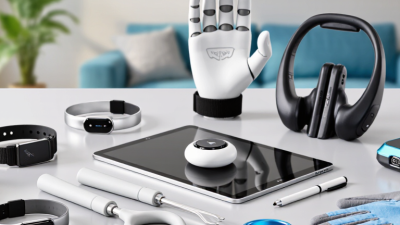
China Top 10 Non Surgical Essential Tremor Therapy Devices
Essential tremor can turn an ordinary task into a visible challenge: tea ripples in a cup, and a pen leaves uneven lines. Non-Surgical Essential Tremor Therapy devices aim to help manage these effects without brain surgery. Options may include wearable peripheral nerve stimulation systems, tremor-dampening orthoses, and assistive devices designed for specific daily activities. Their approaches differ, so a “top 10” list should compare intended use, evidence, comfort, and access—not imply that one device suits everyone.
Neurologist and essential-tremor researcher Elan D. Louis has emphasized: “Essential tremor is not a benign condition.” That reminder matters because symptoms can affect independence, work, and confidence, even when they are not life-threatening. A device that steadies one person’s hand may feel uncomfortable or impractical to another. Fit matters.
This guide examines ten device options relevant to the Chinese market, while distinguishing therapeutic systems from everyday aids. It considers how devices work, what tasks they may support, and what users should verify with a qualified clinician. Availability, approvals, and supporting evidence can change; readers should check current local information. No ranking can replace an individual assessment. And some comparisons remain imperfect. A promising feature on paper may not help during a real meal, a handwritten note, or a crowded commute.
Read more »
 By:Elara
- October 31, 2026
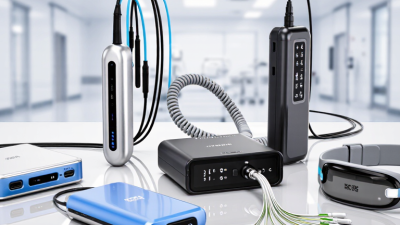
Top Bioelectronic Medicine Devices for Global Buyers
Bioelectronic medicine is moving from specialist hospitals into broader global healthcare procurement. These devices use electrical signals to influence nerves, organs, or muscles. Examples include vagus nerve stimulators, spinal cord stimulators, deep brain stimulators, and wearable neuromodulation systems. The opportunity is substantial. The World Health Organization reports that 2.5 billion people need at least one assistive product, with demand expected to exceed 3.5 billion by 2050. Not all users require bioelectronic therapy, but the wider need is difficult to ignore.
Market forecasts remain encouraging, yet inconsistent. Grand View Research and Fortune Business Insights both report strong growth across neuromodulation and bioelectronic medicine markets, although their definitions and forecasts differ. That difference matters. Global buyers should examine clinical indications, evidence quality, device longevity, battery replacement needs, and training requirements. A Bioelectronic Medicine Device may look compact in a catalogue, but its real value depends on implantation support, software reliability, and follow-up care. The FDA has also emphasized cybersecurity controls for connected medical devices, while international buyers must review applicable quality and safety requirements in their target markets.
This guide compares leading device categories for hospitals, distributors, and healthcare investors. It considers clinical evidence, manufacturer experience, interoperability, service coverage, and total ownership cost. Procurement is rarely simple. A lower purchase price may conceal expensive programming tools or limited technical support. Some published market data also relies on commercial estimates rather than audited outcomes. Buyers should remain cautious, request current documentation, and involve qualified clinicians before making decisions. Reliable innovation needs scrutiny, not excitement alone.
Read more »
By:Elara
- October 26, 2026
2026 Top Neuro AI Healthcare Platforms for Buyers
Choosing among the 2026 top Neuro AI healthcare platforms requires more than comparing feature lists. Buyers must examine clinical value, deployment readiness, evidence quality, and long-term accountability. A Neuro-AI Healthcare Platform may support stroke detection, brain imaging analysis, neurological monitoring, or personalized care planning. Yet impressive demonstrations can hide practical weaknesses. The real test begins in everyday workflows.
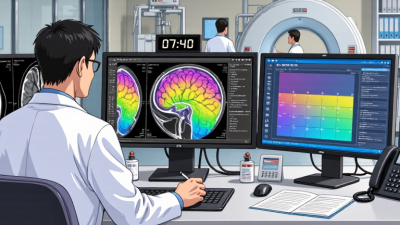
Consider a radiologist reviewing an MRI at 7:40 a.m., with several urgent cases waiting. Does the platform return understandable results quickly? Can clinicians view confidence scores, supporting images, and previous findings? Strong platforms should connect with existing EHR, PACS, and hospital identity systems without creating another isolated dashboard. They should also provide audit trails, role-based access, clear validation records, and reliable technical support. Small details matter. A delayed alert can disrupt care.
Buyers should assess peer-reviewed research, real-world implementation data, cybersecurity controls, and regulatory status in relevant markets. Vendor claims deserve careful questions, especially when accuracy figures come from narrow datasets. Independent validation is more persuasive than polished sales language. Cost also extends beyond licensing. Training, integration, monitoring, upgrades, and staff adoption shape the true investment.
No platform is perfect. Even a well-tested system may perform differently across hospitals, scanners, languages, and patient populations. That limitation should remain visible. This guide compares leading options through a practical buyer’s lens, balancing innovation with clinical responsibility. The aim is not to reward the loudest promise. It is to identify tools that clinicians can understand, organizations can govern, and patients can trust.
Read more »
 By:Ethan
- October 21, 2026
7 Best Wearable Tremor Relief Devices for Global Buyers
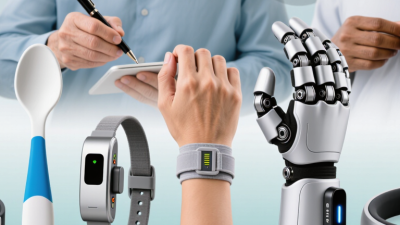
Tremor can turn ordinary moments into difficult tasks: lifting a cup, signing a receipt, or fastening a shirt. A Wearable Tremor Relief Device may help some users reduce hand shaking during selected activities. It cannot promise a cure. Results vary with tremor type, severity, medication, and correct placement.
Dr. Michael S. Okun, a neurologist and movement-disorder specialist, has said, “There is no one-size-fits-all approach to treating Parkinson’s disease.” That principle also matters when comparing wearable tremor technologies. Some devices use electrical stimulation. Others apply physical support, counterweighting, or motion-control techniques. Their designs differ visibly: a slim wristband, a stabilized utensil, or a compact hand-mounted unit. Comfort matters. So does control.
This guide reviews seven leading options for global buyers, focusing on clinical evidence, usability, battery life, charging, app support, and after-sales service. It also considers whether manufacturers clearly explain limitations and intended users. That detail is easy to overlook. It should not be.
Regulatory clearance differs across countries. Import rules, warranty coverage, language support, and replacement-part access can also change the real cost. A device approved in one market may not carry the same status elsewhere. Buyers should verify these points before ordering.
No ranking can fit every person. A neurologist or occupational therapist can help identify suitable candidates and safe settings. Even then, expectations need testing. A promising demonstration may feel less impressive after hours of daily use. That is the uncomfortable part. Better technology still requires careful comparison, realistic goals, and personal trial whenever possible.
Read more »
By:Elara
- October 16, 2026
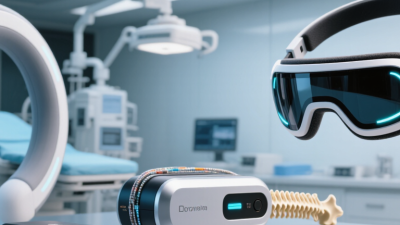
2026 Top Neural Signal Modulation Devices for Global Buyers
Neural Signal Modulation is moving from specialist hospitals into wider clinical and research settings. Devices now include transcranial magnetic stimulation, deep brain stimulation, vagus nerve stimulation, spinal cord stimulation, and non-invasive electrical systems. Each technology uses a different biological pathway. Results should not be compared as if they were identical.
The World Health Organization’s Global Status Report on Neurology, published in 2024, estimated that more than three billion people lived with a neurological condition in 2021. This figure explains the growing attention from hospitals, researchers, and medical-device buyers. Industry analyses from Grand View Research and MarketsandMarkets also describe neuromodulation as a multi-billion-dollar market with continued expansion expected through 2030. However, market forecasts vary. Definitions, device categories, and regional data are not consistent. That weakness matters.
For global buyers in 2026, device selection should begin with clinical indication, evidence quality, regulatory status, and operator training. A compact headset may look simple beside an implanted stimulator, yet its safety controls and treatment evidence still require careful review. Buyers should examine published clinical trials, ISO 13485 quality systems, cybersecurity controls, warranty terms, and local registration requirements. The U.S. FDA, European Union Medical Device Regulation, and other national authorities do not apply identical pathways.
This guide compares leading Neural Signal Modulation devices by application, evidence, usability, and purchasing risk. “Top” does not mean universally best. It means more suitable for a defined purpose. Some evidence remains incomplete, and that deserves honesty.
Read more »
By:Elara
- October 11, 2026
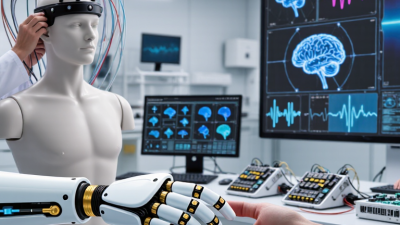
Top Neural Signal Decoding Companies for Global Buyers
Neural Signal Decoding is moving from laboratory demonstrations toward practical clinical and commercial systems. These technologies translate electrical activity from the brain, nerves, or muscles into commands for software, prosthetics, robots, and assistive devices. A cursor crossing a screen can represent years of engineering, clinical testing, and patient experience.
Leigh Hochberg, MD, PhD, a neurologist and BrainGate investigator, has described the field’s purpose clearly: “We are trying to decode the neural signals associated with movement and use those signals to control a device.” His statement keeps the focus on function, not futuristic marketing. For global buyers, that distinction matters. A strong supplier must demonstrate signal quality, stable performance, transparent validation, and responsible data handling. Hardware specifications alone are not enough.
This guide examines leading Neural Signal Decoding companies for international buyers. It considers clinical evidence, research partnerships, software flexibility, integration requirements, and support across regions. It also reviews practical details, such as electrode compatibility, calibration time, training demands, and system performance in real environments. Some company claims remain difficult to compare. The terminology is inconsistent. Evidence is still developing. That uncertainty should not be hidden.
Buyers should ask harder questions. Can the system perform beyond a controlled laboratory? How are failures recorded? Who owns the resulting data? What happens when a clinical workflow changes? A polished demonstration may conceal serious limitations. Still, careful suppliers can provide meaningful tools for communication, rehabilitation, and human-computer interaction. Progress is real, but it is uneven. This overview offers a grounded starting point for evaluating the market.
Read more »
By:Ethan
- October 6, 2026
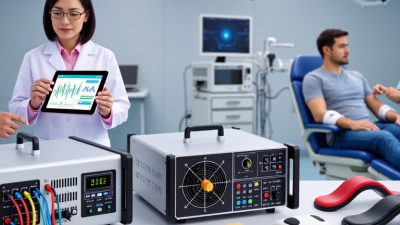
7 Tips for Buying Peripheral Nerve Stimulation Technology
Buying Peripheral Nerve Stimulation Technology requires more than comparing prices and product photographs. The right system can influence procedural confidence, patient comfort, workflow efficiency, and long-term service needs. Yet every device has limitations. No checklist is flawless.
This guide presents seven practical tips for evaluating systems with greater care. It considers clinical evidence, electrode design, programming options, training, and technical support. Buyers should examine peer-reviewed research, manufacturer documentation, and feedback from qualified clinicians. A clear demonstration can reveal details that brochures often hide, such as cable flexibility, software response time, and setup complexity.
Look closely at patient fit. A device suitable for one treatment setting may perform poorly in another. Ask how clinicians monitor outcomes, manage discomfort, and adjust stimulation over time. Review warranty terms, replacement costs, cybersecurity practices, and compatibility with existing equipment. These details can shape the real investment more than the initial quotation.
The cheapest option may not be economical. Service delays can become expensive.
Reliable purchasing also requires honest reflection. Marketing language may sound precise while leaving important questions unanswered. Request measurable specifications, realistic training plans, and transparent evidence. Involve clinicians, biomedical engineers, procurement staff, and patients when appropriate. Their perspectives may expose practical concerns early.
A careful decision does not promise perfect results. It creates a stronger basis for safe, informed evaluation. The following tips are designed to help buyers compare Peripheral Nerve Stimulation Technology with professional judgment, documented evidence, and a clear understanding of local clinical requirements.
Read more »
 By:Alexander
- October 1, 2026
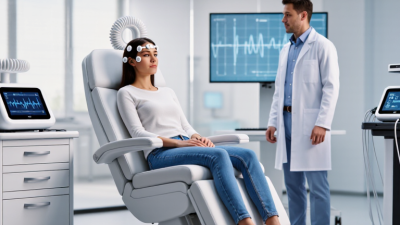
What Is a Noninvasive Neuromodulation Device?
A Noninvasive Neuromodulation Device changes or influences nervous-system activity without surgically implanted electrodes. Common examples include transcranial magnetic stimulation (TMS), which delivers magnetic pulses through a coil held near the scalp, and transcranial electrical stimulation, which uses small electrodes on the head. Some external devices stimulate nerves near the ear or neck. The method, target, and intended use vary.
The topic matters in a world where neurological and mental health conditions affect many people. The World Health Organization estimated that 280 million people worldwide lived with depression in 2019, according to its 2023 fact sheet. That figure describes a health burden, not the number of people suited to device treatment. Not quite. A market estimate needs similar care: Grand View Research valued the broader global neuromodulation devices market at about USD 6.8 billion in 2023 and projected continued growth through 2030. Its category includes more than noninvasive products, so the estimate does not measure this segment alone. That distinction matters.
For readers, the central questions are practical: how does stimulation reach its target, what evidence supports a particular use, and what risks require clinical guidance? A device may sit on a clinic cart, with a coil positioned carefully over the scalp; another may use adhesive electrodes. These are not interchangeable approaches. Regulatory clearance, treatment protocols, and evidence differ by device and indication. Even the label can mislead. This overview explains the basic technology and its limits, while treating market forecasts as context—not proof that a device works for every patient.
Read more »
By:Elara
- September 26, 2026

What Are the Top 10 FDA-Cleared AI Therapeutics?
Artificial intelligence is moving from research laboratories into everyday care, yet the phrase “AI therapeutic” remains surprisingly unclear. Some products deliver behavioral treatment, while others support diagnosis, monitoring, or clinical decisions. This guide examines ten leading FDA-cleared solutions and explains what their clearance actually means.
Not every product is an autonomous treatment. That distinction matters. An FDA-Cleared AI Therapeutic may use adaptive software, sensor data, or structured coaching to support patients with specific conditions. However, FDA clearance generally confirms substantial equivalence to an existing device, not universal proof of effectiveness for every patient. The difference is easy to miss.
We will compare each solution through practical and evidence-based criteria: intended use, target population, clinical validation, regulatory pathway, safety controls, and real-world usability. Attention will also go to the details patients experience, such as daily app prompts, wearable measurements, clinician dashboards, and the time required for onboarding. These details can determine whether a promising tool becomes useful care or another forgotten download.
The analysis draws on FDA documentation, published studies, manufacturer information, and established healthcare principles. Sources can disagree. Marketing language can also sound stronger than the evidence. That deserves scrutiny.
The ranking is therefore not a claim that one technology fits everyone. Patient needs, clinical supervision, accessibility, and data practices all influence value. Some products may appear impressive but have limited independent research. Others may offer quieter benefits, such as better adherence or earlier intervention. The field is developing quickly, and this list may need revision as new clearances and stronger clinical results emerge. That uncertainty is part of the story.
Read more »
By:Alexander
- September 21, 2026

Why Choose an Essential Tremor Therapeutic Device?
Choosing an Essential Tremor Therapeutic Device can feel personal, especially when shaking interrupts ordinary routines. A spoon may tremble near a full cup. Handwriting may become slow and tiring. For some people, these moments affect confidence, work, and social comfort.
A therapeutic device may offer support without relying only on medication. Depending on its design, it may reduce unwanted movement, stabilize the hand, or assist with selected daily tasks. However, results can vary. No device is perfect. Its usefulness may depend on tremor severity, body area, comfort, battery life, and consistent use.
Clinical guidance matters. A qualified healthcare professional can help confirm the tremor’s cause and discuss suitable options. They may also review published evidence, device authorization, possible side effects, and practical limitations. A reliable choice should include clear instructions, transparent safety information, and realistic claims. Marketing language alone is not enough.
Look closely.
The best option is not always the newest one. It should fit the user’s routine, abilities, and treatment goals. Someone who struggles with eating may value a different design than someone focused on writing or computer work. Cost, maintenance, training, and follow-up support also deserve attention. These details are easy to overlook, yet they often shape real-world satisfaction.
This guide examines why people consider an Essential Tremor Therapeutic Device and how to evaluate one responsibly. It does not promise a universal solution. Instead, it encourages informed questions, careful comparison, and honest reflection about what improvement would mean in everyday life.
Read more »
By:Ethan
- September 17, 2026
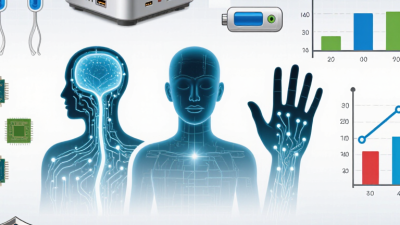
China Top Fasikl-X Nerve Computer Interface Manufacturer?
China’s nerve-computer interface sector is moving from laboratory prototypes toward clinical and assistive applications. The market deserves attention, but the evidence remains uneven. Grand View Research and Precedence Research report strong growth in the broader brain-computer interface market. Their estimates differ because definitions, regions, and device categories vary. That difference matters when evaluating a Fasikl-X Nerve-Computer Interface manufacturer.
A credible supplier should show more than an attractive product page. Buyers should examine electrode configuration, signal latency, decoding accuracy, battery performance, and long-term biocompatibility. A device tested only on healthy volunteers may not perform similarly in rehabilitation settings. Real-world details matter. Can the system maintain stable signals after repeated use? Is the software update process documented? Are manufacturing facilities independently audited?
Nita A. Farahany, a leading neurotechnology policy scholar, has warned, “The last frontier of privacy is the brain.” Her statement highlights an essential evaluation point. Data governance must stand beside engineering performance. Manufacturers should explain consent procedures, encryption, data retention, and user control.
At present, no widely recognized public report independently confirms Fasikl-X as China’s leading Nerve-Computer Interface manufacturer. That claim requires verification through patents, clinical registrations, peer-reviewed studies, regulatory documentation, and customer evidence. Rankings can be useful, yet they can also oversimplify a young industry. A careful comparison should separate laboratory promise from validated performance. It should also acknowledge uncertainty. The strongest manufacturer may not be the loudest one.
Read more »
By:Ethan
- September 17, 2026
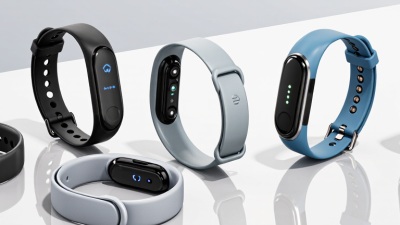
5 Best Felix NeuroAI Wristband Reviews for Global Buyers
The wearable technology market is expanding rapidly, but bigger sales do not automatically mean better health information. IDC’s 2024 Worldwide Quarterly Wearable Device Tracker reported more than 500 million wearable devices shipped globally. That scale creates opportunity, and confusion. Buyers now compare sensors, artificial intelligence, battery life, privacy controls, and subscription costs before purchasing.
This guide reviews five Felix NeuroAI Wristband options for international buyers. It focuses on practical details, including wrist comfort, charging routines, app compatibility, language support, and data export. A useful device should feel manageable during a normal day, not distracting during sleep or exercise. Its dashboard should explain trends clearly, rather than burying users beneath impressive-looking graphs.
Evidence matters more than marketing.
The World Health Organization’s World Mental Health Report 2022 highlights the importance of reliable, accessible support, but a consumer wristband cannot replace clinical assessment. FDA guidance also separates general wellness functions from products making medical claims. Therefore, these reviews treat advertised neurotechnology features cautiously. They examine published specifications, available user feedback, warranty terms, and regional purchasing conditions. Independent validation may still be limited, and some product claims deserve stronger evidence. That is an important weakness, not a detail to hide. Readers should verify compatibility, privacy policies, return rules, and local availability before ordering. The best choice may not be the most advanced model. It may be the one that provides understandable data, dependable support, and realistic expectations.
Read more »
By:Ethan
- September 17, 2026