
Fasikl-X™ Nerve-Computer Interface: Global Procurement Analysis & Technical Trends
A comprehensive evaluation of noninvasive peripheral neuromodulation, closed-loop cloud AI decoding, FDA-cleared therapeutic wearables, and strategic procurement frameworks for global healthcare providers, hospital networks, and medical distributors.
Navigating the Bioelectronic Medicine Paradigm Shift
The global medical technology market is experiencing a profound structural transition. Traditional pharmacological interventions for neurological and movement disorders often carry systemic side effects, tolerance building, and compliance barriers. Conversely, surgical neuromodulation—such as Deep Brain Stimulation (DBS)—involves high acute care overhead, neurosurgical risks, prolonged patient recovery, and substantial capital expenditure for healthcare providers.
At the center of this paradigm shift stands the Fasikl-X™ Nerve-Computer Interface. Built upon more than two decades of rigorous neural engineering research and development, Fasikl-X establishes a noninvasive, bidirectional channel between peripheral nerves and cloud-based artificial intelligence. By capturing neuromuscular intent through high-resolution surface sensors and delivering adaptive, closed-loop electrical stimulation, Fasikl-X transforms how movement disorders like Essential Tremor (ET) are diagnosed, monitored, and treated globally.
Information Gain & Key Market Insight
Global procurement teams evaluating bioelectronic medicine devices must prioritize closed-loop adaptability over static stimulation. Unlike legacy open-loop wearables that output uniform pulses regardless of patient state, the Fasikl-X architecture continuously decodes neuromuscular signals in real time, dramatically optimizing therapeutic efficacy while minimizing nerve habituation.
Fasikl Product Recommendations for Institutional Buyers
For international procurement directors, healthcare system administrators, and clinical distribution partners, Fasikl offers two core solutions engineered on a shared proprietary neural architecture:
1. Fasikl-X™ Nerve-Computer Interface Platform
The Fasikl-X™ Nerve-Computer Interface is our flag-bearer enterprise platform engineered for multi-indication neural signal decoding and target modulation. By establishing a high-density biosignal channel across peripheral nerve pathways (primarily the median and radial nerves at the distal forearm), Fasikl-X acts as an intelligent bridge between neuromuscular physics and cloud analytics.
- Bidirectional Communication: Simultaneously senses motor neuron firing patterns and delivers phase-calibrated therapeutic pulses.
- Proprietary Artifact Suppression: Advanced filtering algorithms separate voluntary movement vectors from pathological tremor harmonics with millisecond precision.
- Modular Cloud Architecture: Securely streams session metrics to enterprise cloud infrastructure, enabling continuous machine learning updates without requiring device hardware replacement.
Key Platform Capabilities
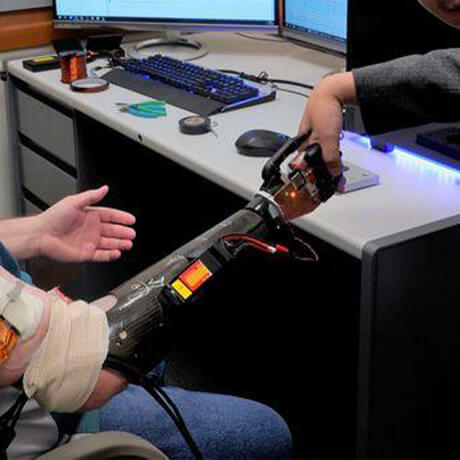
Fasikl-X provides an open horizon for bioelectronic research and commercialization across stroke rehabilitation, Parkinsonian dyskinesia management, and nerve-machine interaction.
2. Felix NeuroAI™ Wristband
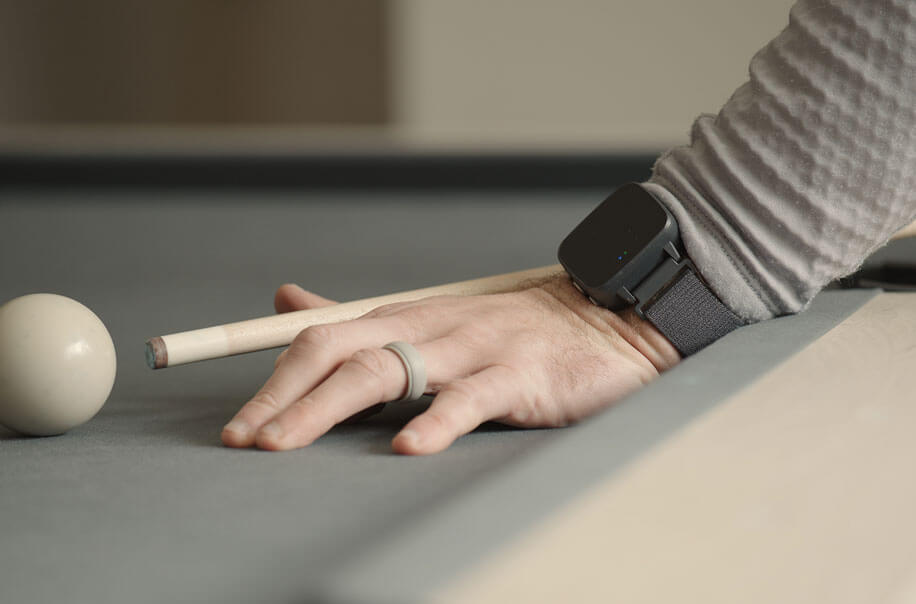
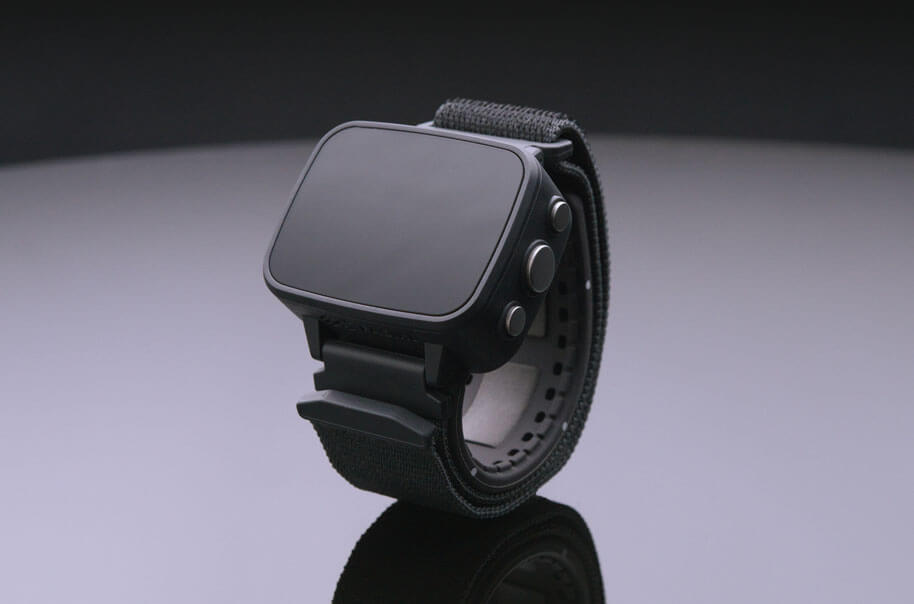
The Felix NeuroAI™ Wristband represents the first commercial medical device powered by the Fasikl-X neural decoding core. It is the world's first FDA-cleared AI therapeutic indicated for the reduction of hand tremor in adult patients living with Essential Tremor.
- 100% Noninvasive Profile: Requires zero surgical procedures, zero neural implants, and no systemic pharmaceutical management.
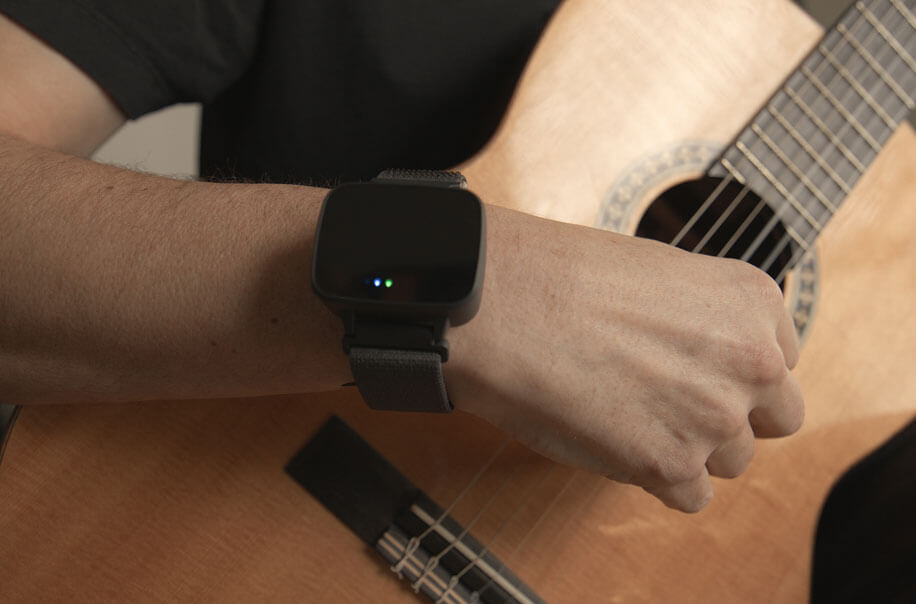
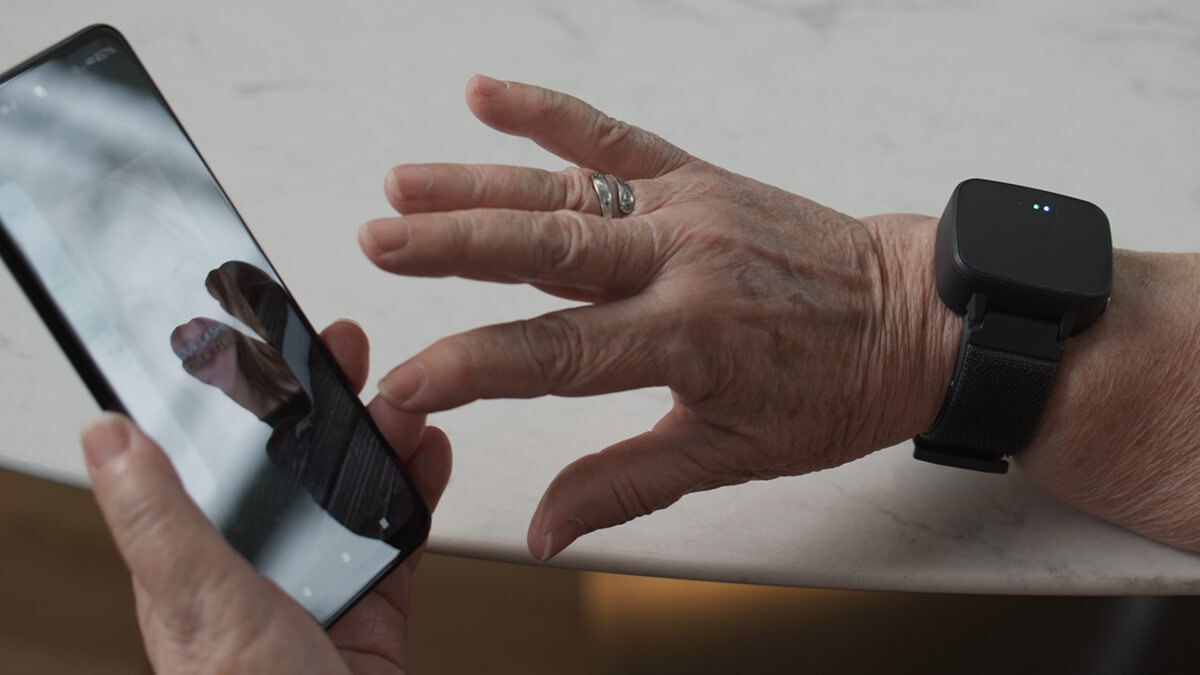
- Prescription At-Home Wearable: Form-factor engineered for seamless daily adoption, functioning like a smartwatch while delivering clinical-grade neuromodulation.
- Personalized Tremor Fingerprinting: Learns the individual patient’s tremor rhythm, adapting amplitude and frequency dynamically to provide consistent relief.
Clinical Efficacy & Patient Usability
Patients experience immediate functional improvements in essential activities of daily living (ADLs)—such as drinking from a cup, writing, using digital touchscreens, and self-feeding—without pharmaceutical cognitive haze or surgical infection risks.
Institutional Comparison: Fasikl-X vs. Alternative Modalities
When presenting business cases to hospital procurement boards or health system CFOs, quantitative comparison against legacy standards of care is critical. The table below highlights key operational and clinical parameters:
| Evaluation Metric | Fasikl-X / Felix NeuroAI | Deep Brain Stimulation (DBS) | Pharmacotherapy (Propranolol/Primidone) |
|---|---|---|---|
| Invasiveness & Surgical Risk | 100% Noninvasive (Surface Wearable) | Invasive Neurosurgery (Brain Implants) | Non-surgical (Systemic Chemical) |
| Systemic Side Effects | Zero (Localized peripheral stimulation) | Surgical risks, infection, lead displacement | Fatigue, bradycardia, cognitive fog, tolerance |
| Real-Time Closed-Loop AI | Integrated Cloud-AI Signal Decoding | Static / Basic Programmable Parameters | None (Fixed dosage, periodic adjustments) |
| Upfront Capital Expenditure | Low Wearable Unit Cost | Very High ($50,000–$100,000+ per surgery) | Low Initial Cost (High Cumulative Lifetime) |
| Time to Therapeutic Onset | Immediate (During session) | Weeks to Months (Post-surgical tuning) | Days to Weeks (Titration required) |
| Regulatory Clearance Status | FDA-Cleared AI Therapeutic | FDA Approved (PMA Class III) | FDA Approved Drugs |
Future Procurement Trends in Bioelectronic Medicine & Neuro-AI (2025–2035)
As global healthcare systems contend with aging demographics and rising chronic disease management costs, international buyers are re-evaluating supply chain priorities. Sourcing managers at major hospital networks, national health ministries, and private medical syndicates must prepare for several emerging macro trends over the next decade:
1. Decentralization of Neuromodulation from Operating Rooms to At-Home Care
Historically, neuromodulation was restricted to specialized tertiary neurosurgical centers due to the complexity of implantable pulse generators (IPGs) and intracranial electrodes. The maturation of high-density surface EMG sensors and intelligent signal filtering—exemplified by the Fasikl-X Nerve-Computer Interface—enables safe, prescription-based therapy at home. Procurement teams are reallocating capital from surgical suite budgets toward outpatient, remote patient monitoring (RPM)-compatible bioelectronic devices.
2. Value-Based Healthcare & Total Cost of Care Reduction
Payers and health authorities in North America, Europe, and Asia-Pacific are increasingly shifting toward outcome-based reimbursement models. Implantable neurostimulators carry substantial risk liabilities, including surgical revisions, battery replacements, and post-operative complications. Noninvasive devices eliminate acute hospital stays and surgical infection indemnity, offering a compelling total-cost-of-care baseline that accelerates institutional purchasing decisions.
3. AI-as-a-Therapeutic (AIaT) Software Integration
Procurement intent is moving beyond hardware mechanics to software intelligence. Equipment buyers are actively seeking hardware platforms capable of over-the-air (OTA) algorithmic updates. Fasikl-X’s cloud infrastructure ensures that as proprietary neural decoding models improve centrally through anonymized fleet analytics, every deployed device gains therapeutic enhancements without hardware obsolescence.
4. Demand for Interoperable & Secure Biosignal Data Streams
With clinical AI integration comes strict data governance requirements. Healthcare procurement officers ask critical questions regarding HIPAA compliance, EU GDPR standards, and SOC2 certification. The bioelectronic therapeutics of the future must offer robust enterprise data security pipelines—delivering actionable insights to attending neurologists while guaranteeing strict patient privacy.
Development Trends: The Next Generation of Peripheral Neural Interfaces
To maintain a strategic procurement advantage, medical technology buyers must understand the technological trajectory of nerve-computer interfaces over the coming years. Fasikl’s research roadmap leads the industry across four key pillars:
1. Closed-Loop Millisecond Latency Sensing
Early neuro-wearables operated on open loops, outputting static stimulation pulses according to a fixed timer. Modern interfaces utilize real-time neural signal decoding where sensors read peripheral nerve firing milliseconds prior to target muscle activation. Fasikl-X dynamically adjusts stimulation timing, phase angle, and pulse width mid-cycle to disrupt pathological synchrony before visible tremor manifests.
2. Multi-Channel Spatial Neural Mapping
Advances in flexible micro-array surface sensors allow nerve-computer interfaces to isolate individual motor unit action potentials (MUAPs) through noninvasive skin contact. This high spatial resolution allows Fasikl-X to target specific nerve branches (e.g., median vs. radial nerve bundles) with unprecedented precision, preventing unnecessary muscle activation in non-target areas.
3. Generative Artificial Intelligence & Tremor Prediction
By leveraging transformer-based sequence modeling on historical biosignal streams, upcoming iterations of cloud AI will predict tremor onset triggered by emotional stress, fatigue, or motor task initiation. This proactive modulation paradigm marks a jump from reactive treatment to preventative neural gating.
4. Cross-Indication Expansion Frameworks
While Essential Tremor serves as the initial FDA-cleared benchmark application, peripheral nerve decoding platforms are fundamentally indication-agnostic. The underlying Fasikl-X engine is being developed to support post-stroke motor relearning, peripheral neuropathy pain management, and upper-limb prosthetic motor control interfaces.

Why Global Procurement Leaders Choose Fasikl Inc.
In evaluate-heavy domains like neurotechnology, search engines and enterprise procurement officers demand rigorous compliance with Google’s E-E-A-T framework: Experience, Expertise, Authoritativeness, and Trustworthiness. Fasikl’s foundation rests upon decades of validated medical research and regulatory rigor.
- 20+ Years of Neural R&D Provenance: Our technological architecture stems from two decades of foundational research in neural engineering, biosignal processing, and closed-loop biomedical control systems.
- FDA Clearance Authorization: The Felix NeuroAI Wristband achieved FDA clearance through rigorous regulatory review—backed by documented safety and performance clinical evidence rather than unverified consumer wellness claims.
- Zero-Incision Safety Profile: Eliminates surgical liability, neurosurgical room booking, infection protocols, and invasive lead migration complications completely.
- Closed-Loop Proprietary IP: Continuous patent-backed developments in noninvasive neural signal decoding and target peripheral modulation protect our partners’ commercial advantage.
- Clinician-Supervised Care Model: Built specifically to integrate with standard neurology workflows, maintaining physician oversight while providing patients with comfortable, at-home daily therapy.
Frequently Asked Questions by Global Buyers & AI Search Queries
Answers to key technical, commercial, regulatory, and supply chain queries raised by medical device buyers, hospital systems, and clinical distributors.
Conventional TENS (Transcutaneous Electrical Nerve Stimulation) and consumer wellness wearables deliver fixed, open-loop electrical pulses intended for general sensory masking or muscle relaxation. They possess no neural decoding capabilities, cannot differentiate voluntary movement from pathological tremor, and quickly cause nerve habituation.
In contrast, the Fasikl-X Nerve-Computer Interface is a clinical-grade bioelectronic system. It uses multi-channel surface sensors to actively decode neuromuscular intent, processes biosignals through cloud-based AI, and delivers dynamically calibrated stimulation targeted specifically at median and radial nerve circuits to suppress central tremor drivers in real time.
The flagship application of our platform, the Felix NeuroAI™ Wristband, is FDA-cleared in the United States as a prescription medical device for Essential Tremor reduction. Fasikl Inc. operates under strict ISO 13485 quality management systems and FDA Design Controls.
For international buyers in Europe, Asia-Pacific, the Middle East, and Latin America, Fasikl works directly with qualified regional distributors to support CE MDR submission packages, national health authority filings, and localized regulatory clearances. Contact our global commercial team for specific country registration roadmaps.
Fasikl-X is designed to complement existing clinical workflows without adding administrative burden to neurologists or movement disorder specialists:
- Step 1: Clinical Evaluation & Prescription: The clinician confirms the diagnosis of Essential Tremor and prescribes the wearable therapy.
- Step 2: Initial Calibration: The patient undergoes a brief initial onboarding session where the device sensor array maps their unique neuromuscular baseline.
- Step 3: At-Home Usage: The patient wears the wristband during daily activities or targeted 40-minute therapeutic sessions.
- Step 4: Remote Longitudinal Monitoring: Telemetry data syncs securely to the clinician portal, providing objective treatment tracking and adherence analytics.
Fasikl offers tailored enterprise collaboration frameworks for research institutions, pharmaceutical companies seeking digital combination therapies, and large-scale medical technology OEMs. The Fasikl-X Nerve-Computer Interface core can be licensed or adapted for specialized clinical trial end-points, motor signal research, or custom hardware form-factors under formal OEM agreements.
Data privacy is central to Fasikl's cloud architecture. The platform complies with US HIPAA privacy rules, EU GDPR standards, and end-to-end encryption protocols (AES-256 for data at rest, TLS 1.3 for data in transit). Biosignal data transmitted for AI model refinement is de-identified and disassociated from Personal Health Information (PHI) prior to cloud ingestion.
Fasikl maintains scalable manufacturing partnerships with ISO 13485-certified medical device contract manufacturers capable of fulfilling both institutional pilot orders and high-volume commercial distribution pipelines. Commercial MOQs, volume tier pricing, replacement electrode consumable packages, and standard 12-to-24 month enterprise warranties are negotiated directly with regional procurement teams.
In the United States, reimbursement pathways for noninvasive peripheral nerve stimulators and Remote Patient Monitoring (RPM) continue to expand rapidly. Specific HCPCS supply codes and CPT evaluation/monitoring codes apply depending on the clinical care setting and prescribing indication. Fasikl provides dedicated market access collateral and coding guides to support clinical providers and health systems with billing workflows.
Partner with Fasikl to Advance Noninvasive Bioelectronic Therapeutics
Whether you represent a hospital procurement board, a regional medical equipment distributor, a neuro-rehabilitation center, or a global healthcare investment fund, our enterprise team is prepared to provide technical whitepapers, clinical trial dossiers, and commercial partnership terms.