1. Transition from Pharmacological First-Line to Bioelectronic Medicine
Global pharmaceutical supply chains face headwinds due to medication intolerance, drug interactions in aging populations, and patient dissatisfaction with cognitive side effects. Institutional buyers are actively shifting procurement budgets toward non-pharmacological medical devices that target tremor at the neural source without systemic toxicity.
2. Demand for AI-Driven Tele-Neurology & Remote Calibration
Modern hospital systems require wearable tremor relief devices that integrate seamlessly with clinical software portals. Wearable systems that send anonymized kinematic and neuromuscular feedback to attending neurologists reduce clinic visit burdens while guaranteeing optimal stimulation parameters.
3. Regulatory Stringency & Evidence-Based Sourcing
Regulatory authorities including the US FDA and EU Notified Bodies are increasing scrutiny on direct-to-consumer "wellness" tremor gadgets. Institutional procurement teams now strictly mandate proven regulatory clearances (such as FDA 510(k)), clinical trial backing, and ISO 13485 manufacturing provenance before signing distribution agreements.
4. Modular and Expandable Platform Architecture
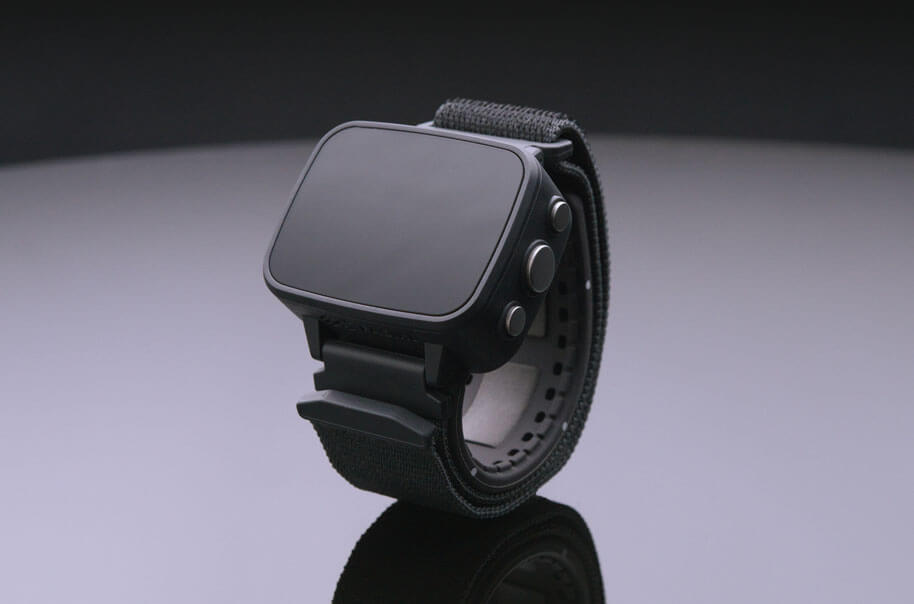
Sourcing directors prefer vendor ecosystems that offer scalability. Purchasing a core technology platform like Fasikl-X allows distributors to unlock future neurological software updates and expanded therapeutic indications without altering the underlying physical hardware distribution pipeline.