
Felix NeuroAI™ Wristband
FDA-cleared prescription wearable therapeutic designed for essential tremor reduction. Built for patient compliance, day-to-day durability, and seamless clinician telemetry.
Request Product Specs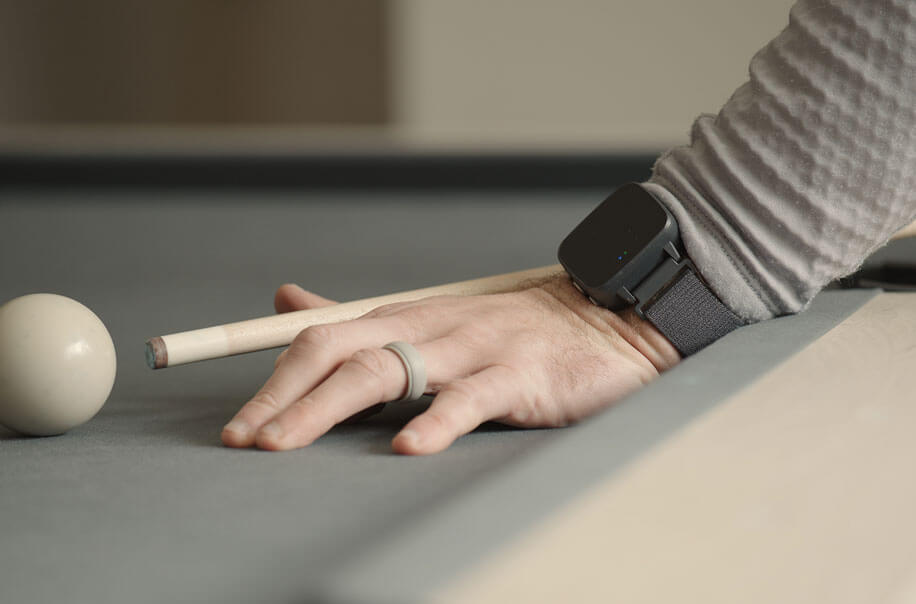
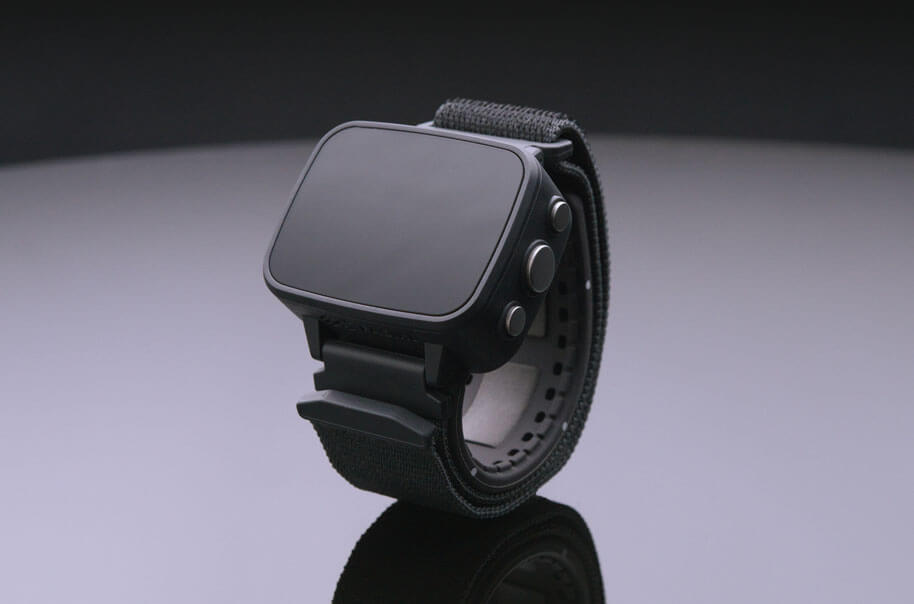
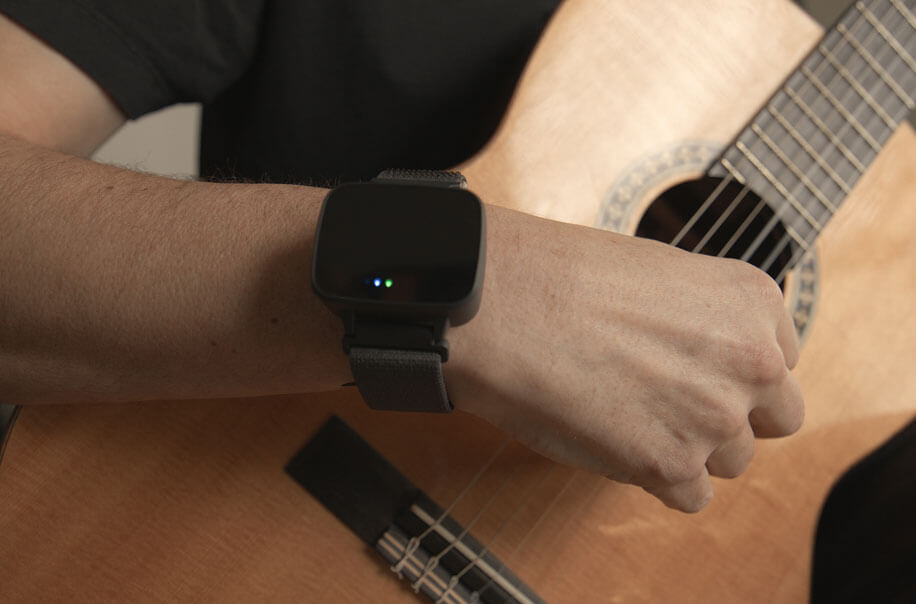
As healthcare systems shift toward noninvasive, software-driven interventions, global procurement managers and medical device distributors require clear operational data, regulatory verification, and ROI frameworks. The Felix NeuroAI™ Wristband represents a paradigm shift: bridging advanced peripheral nerve decoding with cloud-based AI to deliver personalized bioelectronic therapy.
For medical device buyers, international importers, and neurology hospital procurement leads, evaluating a bioelectronic solution requires dissecting both the consumer-facing hardware and the underlying signal processing infrastructure. Fasikl offers a duo of complementary innovations engineered on a shared proprietary core: the flagship Felix NeuroAI™ Wristband and the platform-level Fasikl-X™ Nerve-Computer Interface.

Essential Tremor (ET) affects over 25 million individuals globally, severely compromising activities of daily living (ADLs) such as eating, drinking, writing, and digital device interaction. Traditional pharmacotherapy (e.g., beta-blockers, primidone) often produces systemic side effects or loses efficacy over time, while invasive brain procedures like Deep Brain Stimulation (DBS) or Focused Ultrasound present significant surgical risk and elevated capital expenditure.
The Felix NeuroAI™ Wristband offers hospital networks and clinics a 100% noninvasive, prescription alternative that integrates seamlessly into outpatient care pathways.
Unlike legacy electrical stimulation wearables that deliver open-loop, fixed-frequency bursts regardless of neural state, Felix employs real-time closing of the loop. Below is a structural procurement comparison highlighting key performance differentiators:
| Operational Parameter | Felix NeuroAI™ Wristband | Legacy Wearable Stimulators | Deep Brain Stimulation (DBS) |
|---|---|---|---|
| Invasiveness | 100% Noninvasive (Surface Wearable) | Noninvasive | Invasive (Surgical Brain Implant) |
| Intelligence Engine | Cloud-Based Machine Learning (Closed-Loop) | Open-Loop Fixed Frequency | Pre-set Hardware Impulse Generator |
| FDA Status | FDA-Cleared AI Therapeutic for ET | Varies (General Wellness / 510(k)) | PMA Approved (High Risk) |
| Side-Effect Profile | Transient, mild localized sensation only | Localized skin irritation | Intracranial hemorrhage, infection, speech deficits |
| Calibration & Updates | Continuous OTA Cloud Model Fine-Tuning | Manual In-Clinic Potentiometer Adjustment | In-Clinic Neurologist Programming |
| Total Cost of Care | Low Wearable CapEx / OpEx Subscription | Moderate Wearable CapEx | $50,000 - $100,000+ Initial Surgical CapEx |
Engineered for immediate clinical deployment and long-term platform ecosystem expansion.
FDA-cleared prescription wearable therapeutic designed for essential tremor reduction. Built for patient compliance, day-to-day durability, and seamless clinician telemetry.
Request Product SpecsBidirectional nerve-computer interface extending cloud AI neural decoding to broader movement disorders, rehabilitation, and bioelectronic research partnerships.
Request OEM Platform DetailsNote: Commercial terms, regional regulatory clearance dossiers (CE Mark, PMDA, NMPA), and local distribution territory availability are provided upon verification of corporate credentials.
The global bioelectronic medicine market is experiencing an unprecedented structural pivot. Institutional buyers—ranging from regional healthcare syndicates to national medical equipment importers—are actively recalibrating their portfolios away from drug-first regimes toward high-precision bioelectronic therapeutics. Sourcing managers analyzing the 2025–2035 horizon must account for three core macro trends:
Pharmaceutical remedies for movement disorders carry high non-compliance rates due to systemic side effects like sedation, ataxia, and cognitive blunting. Concurrently, surgical options face strict patient qualification filters and intensive hospital resource allocations. Noninvasive wearables like the Felix NeuroAI™ Wristband allow procurement directors to introduce high-margin, low-liability therapeutic options that expand the addressable patient pool by up to 400% in regional neurology networks.
Modern medical procurement is no longer restricted to one-time hardware acquisitions. The integration of cloud-based AI in Felix establishes a dual-value paradigm: hardware durability coupled with continuously updating therapeutic algorithms. International distributors can leverage Software-as-a-Medical-Device (SaMD) structures to generate recurring software licensing, remote patient monitoring (RPM) billing, and extended warranty service streams.
The healthcare industry is abandoning "dumb" stimulators. Next-generation tenders specifically demand adaptive feedback loops capable of isolating intention tremor from resting tremor or routine motor tasks (such as walking or typing). Procurement teams that secure exclusive regional rights to validated closed-loop technologies like Fasikl’s nerve-computer interface establish long-term competitive moats against commodity electrotherapy vendors.
"By 2030, bioelectronic wearables utilizing real-time neural decoding will represent over 35% of non-pharmacological movement disorder prescriptions worldwide. Early adoption in hospital procurement lists is no longer experimental—it is strategic risk management."
To understand the competitive edge of the Felix NeuroAI™ Wristband, procurement officers must evaluate the engineering hurdles that historically hindered peripheral nerve stimulation. Surface electromyography (sEMG) and peripheral nerve signals captured at the wrist are notoriously susceptible to motion artifacts, sweat impedance changes, and cross-talk from non-targeted muscular bundles.
Fasikl’s platform bypasses traditional signal degradation through a three-stage neural architecture:
This targeted peripheral modulation effectively "disrupts" the tremor signal before it manifests in physical hand tremor, restoring functional hand stability without altering central nervous system architecture.
Multi-channel sensor arrays record peripheral nerve dynamics, isolating pathological tremor waves from voluntary movement intent with proprietary signal processing.
Machine learning models continuously evaluate patient response telemetry. Personalized stimulation maps are continuously optimized via secure cloud infrastructure.
Precisely timed micro-impulses target peripheral nerve trunks, interrupting tremor signals and enabling immediate recovery of fine motor control.
Built on rigorous clinical evidence, regulatory milestones, and 20+ years of pioneering neural engineering research.
Felix is not a consumer wellness gadget. It is the first FDA-cleared AI therapeutic specifically authorized for essential tremor reduction. Every commercial claim is backed by rigorous clinical trials, human factors testing, and stringent FDA 510(k)/De Novo regulatory scrutiny.
Spanning over 20 years of foundational R&D in neural signal processing, biosensor design, and computational neuroscience, Fasikl’s intellectual property portfolio safeguards distributors against patent infringement and technological obsolescence.
Fasikl’s end-to-end telemetry pipeline ensures that every device deployed in the field benefits from centralized AI optimizations. Hardware remains state-of-the-art long after initial hospital procurement through seamless over-the-air firmware updates.
Engineered under ISO 13485 quality management standards and compliant with FDA 21 CFR 820 requirements. Fasikl provides full technical dossier support (STED) for regional registration across Europe, Asia-Pacific, Latin America, and the Middle East.
Initial review of distributor therapeutic experience, channel coverage in neurology/rehabilitation, and regulatory capabilities.
Provision of CE/FDA clearance documentation, clinical trial summaries, localized packaging, and technical training modules.
Controlled onboarding within key opinion leader (KOL) neurology clinics and movement disorder centers.
Broader market expansion supported by joint marketing, inventory management, and dedicated post-market support.
Addressing key questions regarding compliance, distribution rights, clinical safety, and technology transfer.
The Felix NeuroAI™ Wristband is an FDA-cleared, prescription-only medical device authorized specifically for the reduction of hand tremor in adult patients diagnosed with Essential Tremor. Unlike general wellness wearables, Felix underwent extensive clinical evaluation for safety, efficacy, and software validation under medical device regulatory standards, enabling healthcare providers to prescribe it with confidence.
Consumer wearables or basic TENS units typically rely on uncalibrated, open-loop stimulation that fires indiscriminately. Felix utilizes proprietary closed-loop Neuro-AI algorithms that decode real-time peripheral neural and muscle activity. It distinguishes intentional motor tasks from pathological tremor spikes, adjusting micro-stimulation parameters thousands of times per session. This prevents nerve accommodation, maximizes tremor suppression, and preserves battery performance.
Fasikl structures commercial partnerships based on regional territory size, existing medical channel coverage, and regulatory approval timelines. Minimum Order Quantities (MOQs) are tailored for market entry phases (e.g., initial hospital clinical evaluations) through to full country-wide launch. Exclusive distribution rights are available for qualified partners meeting annual volume benchmarks.
Yes. Data security is built into the architecture of Fasikl’s cloud AI infrastructure. All patient telemetry, session logs, and calibration data are end-to-end encrypted in transit and at rest, strictly adhering to US HIPAA standards and European Union GDPR compliance. Localized cloud instance routing is supported for jurisdictions with strict data sovereignty mandates.
We provide comprehensive enablement packages for distributors and clinical staff. This includes physician onboarding programs, patient training modules, clinical trial repository access, warranty replacement programs, and dedicated Tier-3 engineering support for software integration.
Yes. The Fasikl-X™ nerve-computer interface is designed as an extensible platform for advanced research institutions, pharmaceutical trials, and strategic OEM partners seeking to integrate bidirectional neural decoding into broader neuro-rehabilitation or bioelectronic medicine applications.
The Felix hardware is built with medical-grade polymers and IP-rated splash resistance. The rechargeable lithium-ion battery is optimized for full-day active usage on a single charge. The device casing, electrodes, and internal processing units are engineered for a standard multi-year clinical service life backed by manufacturer warranties.