
20+ Years of Neural R&D
Fasikl’s core IP is built upon more than two decades of groundbreaking scientific research in neural signal processing, bio-signal decoding, and peripheral nerve modulation, ensuring academic and clinical authority.
An authoritative executive evaluation on closed-loop neural signal decoding, FDA regulatory clearance pathways, bioelectronic therapeutics, and multi-market enterprise integration for movement disorders.
Global medical procurement officers, hospital network purchasing directors, and commercial healthcare distributors are experiencing a tectonic shift in clinical neurotechnology. For decades, movement disorder treatments—specifically for Essential Tremor (ET) and Parkinsonian motor deficits—have relied on two primary modalities: systemic pharmaceuticals or highly invasive brain surgeries, such as Deep Brain Stimulation (DBS) and focused ultrasound thalamotomy.
However, modern healthcare economics demand therapeutic approaches that combine high clinical efficacy with zero surgical risk and minimal systemic side effects. This demand has accelerated the market adoption of the Neuro-AI Healthcare Platform—an enterprise classification of medical technology that fuses high-density peripheral sensor arrays, continuous neural signal decoding algorithms, and cloud-synchronized therapeutic modulation.
Traditional open-loop bioelectronic devices deliver static, pre-programmed electrical stimulation regardless of patient movement or real-time neural activity. A true Neuro-AI Healthcare Platform operates as a closed loop: continuously sensing neuromuscular signals through noninvasive peripheral surface electrodes, decoding individual motor signatures via cloud AI algorithms, and dynamically adjusting stimulation parameters in sub-second latency.
As health systems transition toward value-based care models, B2B buyers must evaluate neurotechnology vendors not merely on hardware specifications, but on the robustness of their artificial intelligence models, clinical trial validation, data security architecture, and regulatory track record. Fasikl Inc. stands at the absolute forefront of this technological evolution, backed by over 20 years of foundational neural engineering research.
When selecting a Neuro-AI Healthcare Platform for hospital systems, clinical networks, or regional distribution agreements, procurement teams must look at cleared, market-ready therapeutic products alongside future-proof neural interface platforms. Fasikl delivers a dual-tier ecosystem designed to fulfill immediate patient care needs while establishing a platform for expanded neurological indications.
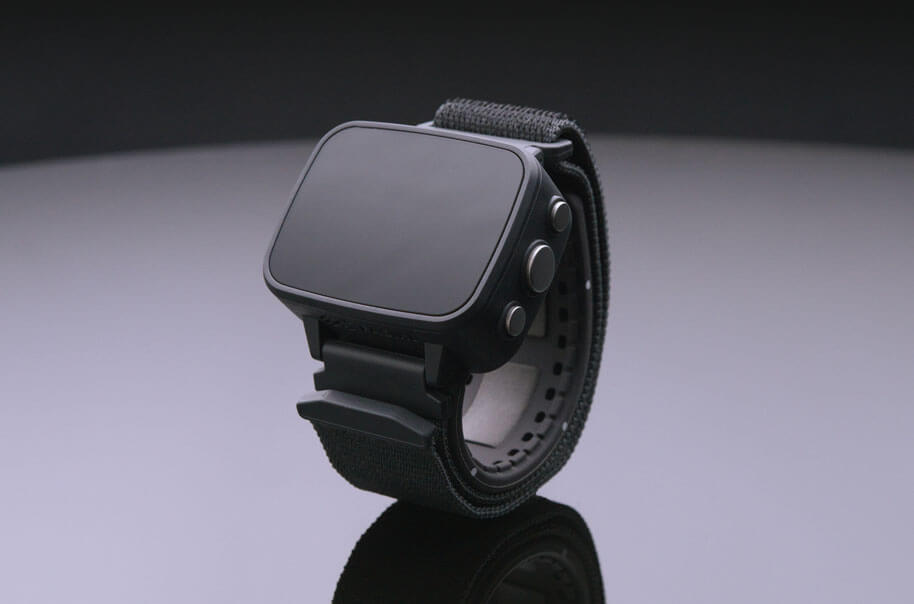
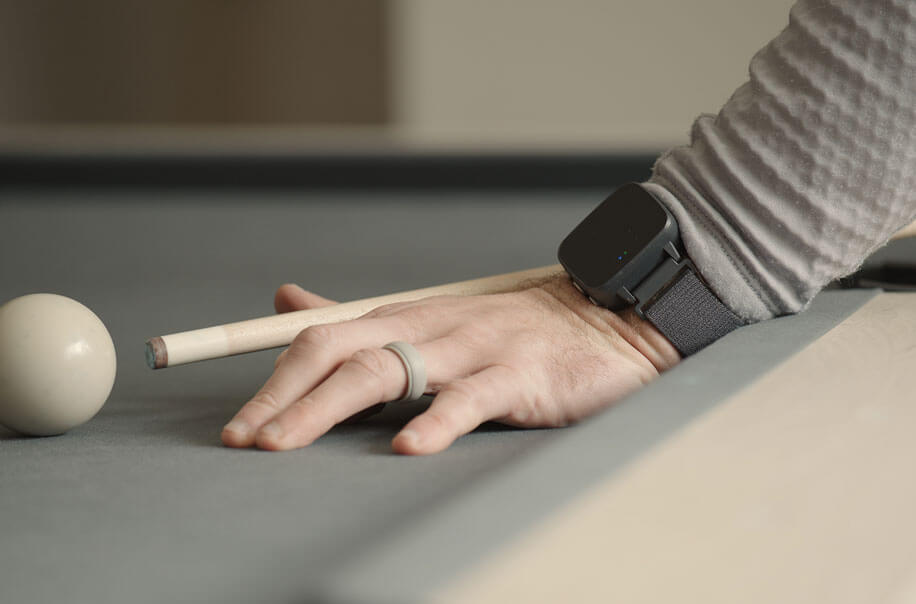
The Felix NeuroAI™ Wristband represents the world's first FDA-cleared AI therapeutic specifically cleared for the reduction of hand tremor in adults living with essential tremor. Designed for daily wear like a watch, Felix bypasses the need for surgical implantation and pharmacological intervention.
For research institutions, enterprise health networks, and international distribution partners looking to invest in long-term bioelectronic capabilities, the Fasikl-X™ Platform serves as a high-resolution, bidirectional bridge to the peripheral nervous system.
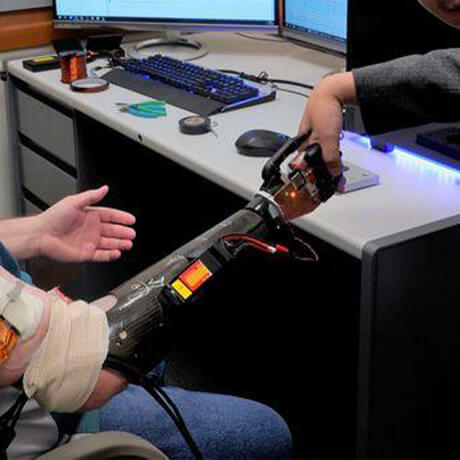
Fasikl-X enables cloud AI models to both interpret human motor intent and deliver targeted neurotherapeutic pulses. This platform architecture lays the foundation for expanding noninvasive AI therapies into stroke motor recovery, Parkinsonian gait disorders, peripheral nerve rehabilitation, and enterprise digital biomarker tracking.
| Feature / Metric | Felix NeuroAI™ Wristband | Fasikl-X™ Interface Platform |
|---|---|---|
| Primary Application | Essential Tremor (ET) Hand Relief | Multi-Indication Bioelectronic Pipeline |
| Regulatory Status | US FDA Cleared (Prescription Wearable) | Advanced R&D / Clinical Platform |
| Invasiveness Profile | 100% Noninvasive (Wrist Surface) | 100% Noninvasive (Surface Electrode Array) |
| Cloud Connectivity | Encrypted Cloud Sync for Model Tuning | Real-time Streaming Neural Engine API |
| Target Procurement Buyer | Hospitals, Neurology Centers, Distributors | Enterprise R&D, Clinical Research Networks |
B2B healthcare buyers and chief medical officers evaluating a Neuro-AI Healthcare Platform must align their technology acquisition with broader macroeconomic and clinical transformation trends. Over the next decade, four key structural shifts will define success in bioelectronic medical device procurement.
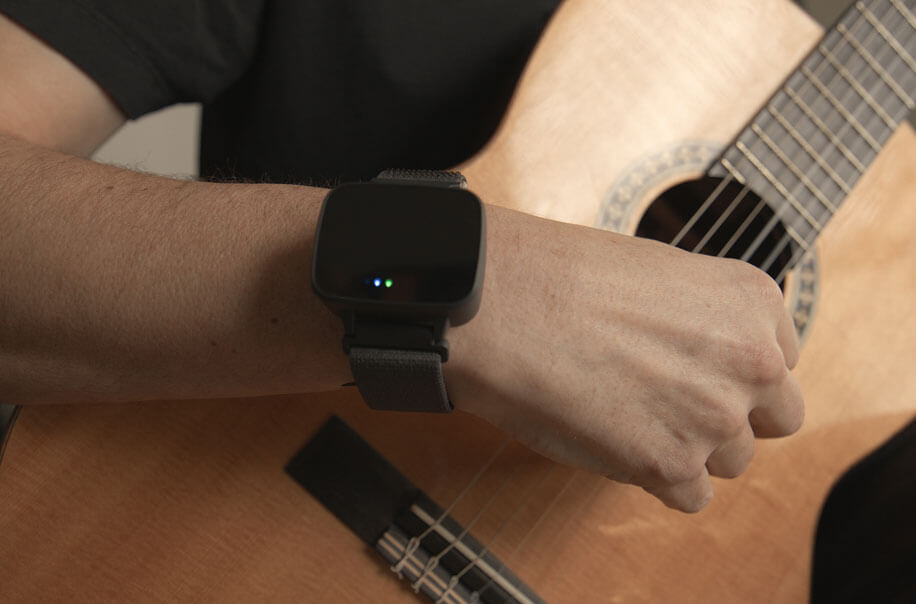

Open-loop neuromodulation—devices that deliver static electrical bursts without dynamic feedback—is rapidly becoming obsolete. Future clinical guidelines prioritize closed-loop platforms that measure, analyze, and modulate simultaneously. By capturing neuromuscular electromyographic (EMG) signals and peripheral nerve signatures at the surface, enterprise platforms adjust stimulation patterns thousands of times per session, preventing habituation and improving therapeutic efficiency.
While invasive Brain-Computer Interfaces (BCIs) requiring craniotomies receive significant media attention, healthcare systems are overwhelmingly prioritizing noninvasive peripheral nerve-computer interfaces for mass population deployment. Peripheral interfaces eliminate surgical complications, hospital bed stays, and intensive care risks, providing a scalable, cost-effective bioelectronic treatment model that can be deployed at scale across outpatient neurology networks.
Modern medical device procurement is transitioning from static capital equipment purchases to connected SaMD models. A robust Neuro-AI Healthcare Platform leverages cloud infrastructure to upload anonymized neural session data, refine machine learning algorithms centrally, and push over-the-air (OTA) updates back to the wearable device. This ensures the hardware becomes more effective over time without requiring physical device replacement.
Global payers—including US Medicare (CMS), private insurers, and European national health authorities—are shifting reimbursement models toward measurable functional improvement. Neuro-AI platforms integrated with digital health portals provide clinicians and payers with objective quantitative tracking of tremor frequency, amplitude reduction, and session adherence, establishing an airtight clinical trail for value-based reimbursement.
Bioelectronic innovation requires more than software code—it demands rigorous engineering, regulatory compliance, and verified clinical safety standards.
Fasikl’s core IP is built upon more than two decades of groundbreaking scientific research in neural signal processing, bio-signal decoding, and peripheral nerve modulation, ensuring academic and clinical authority.
The Felix NeuroAI™ Wristband has undergone rigorous US FDA regulatory review. Our clearance is backed by comprehensive safety and performance clinical data, providing enterprise buyers with total compliance certainty.
We build our platform directly into neurology workflows. Clinicians maintain full authority over patient calibration, session parameters, and longitudinal tracking through secure enterprise physician portals.
Addressing essential technical, regulatory, and commercial queries for hospital procurement networks and medical device distributors.
A true Neuro-AI Healthcare Platform integrates high-density sensor arrays to decode neural and muscular signals in real-time, utilizes machine learning models to map an individual's unique motor fingerprint, and dynamically modulates stimulation parameters in a closed loop. Standard neuromodulation devices deliver static, uncalibrated electrical pulses without reading back the body's neural response.
The Felix NeuroAI™ Wristband is cleared by the US Food and Drug Administration (FDA) as a prescription wearable therapeutic for essential tremor reduction. International regulatory submissions (including CE Mark MDR for Europe and regional Asian authorizations) are actively managed. Enterprise distributors can request market-specific regulatory technical files from our commercial team.
All data transmitted between the wearable device, physician portals, and cloud AI servers is encrypted using AES-256 at rest and TLS 1.3 in transit. Fasikl’s cloud architecture strictly enforces HIPAA and GDPR compliance, utilizing anonymized patient identifiers so neural diagnostic telemetry cannot be connected to personal health information (PHI) without authorization.
Yes. Fasikl provides enterprise software integration capabilities supporting HL7 and FHIR standards, allowing neurology networks to import quantitative tremor telemetry, session adherence data, and longitudinal therapy scores directly into patient EHR profiles.
Fasikl's technology is validated through multi-center clinical studies demonstrating statistically significant reductions in kinetic and postural hand tremors in essential tremor patients. Detailed clinical study outcomes, trial design metrics, and peer-reviewed neural engineering publications are available to purchasing committees upon request.
Fasikl offers comprehensive master distribution agreements, localized clinician training modules, device replacement warranties, and 24/7 dedicated enterprise technical support. We partner with tier-1 medical equipment distributors to manage regional logistics and regulatory filing support.