Neural Signal Modulation is moving from specialist hospitals into wider clinical and research settings. Devices now include transcranial magnetic stimulation, deep brain stimulation, vagus nerve stimulation, spinal cord stimulation, and non-invasive electrical systems. Each technology uses a different biological pathway. Results should not be compared as if they were identical.
The World Health Organization’s Global Status Report on Neurology, published in 2024, estimated that more than three billion people lived with a neurological condition in 2021. This figure explains the growing attention from hospitals, researchers, and medical-device buyers. Industry analyses from Grand View Research and MarketsandMarkets also describe neuromodulation as a multi-billion-dollar market with continued expansion expected through 2030. However, market forecasts vary. Definitions, device categories, and regional data are not consistent. That weakness matters.
For global buyers in 2026, device selection should begin with clinical indication, evidence quality, regulatory status, and operator training. A compact headset may look simple beside an implanted stimulator, yet its safety controls and treatment evidence still require careful review. Buyers should examine published clinical trials, ISO 13485 quality systems, cybersecurity controls, warranty terms, and local registration requirements. The U.S. FDA, European Union Medical Device Regulation, and other national authorities do not apply identical pathways.
This guide compares leading Neural Signal Modulation devices by application, evidence, usability, and purchasing risk. “Top” does not mean universally best. It means more suitable for a defined purpose. Some evidence remains incomplete, and that deserves honesty.
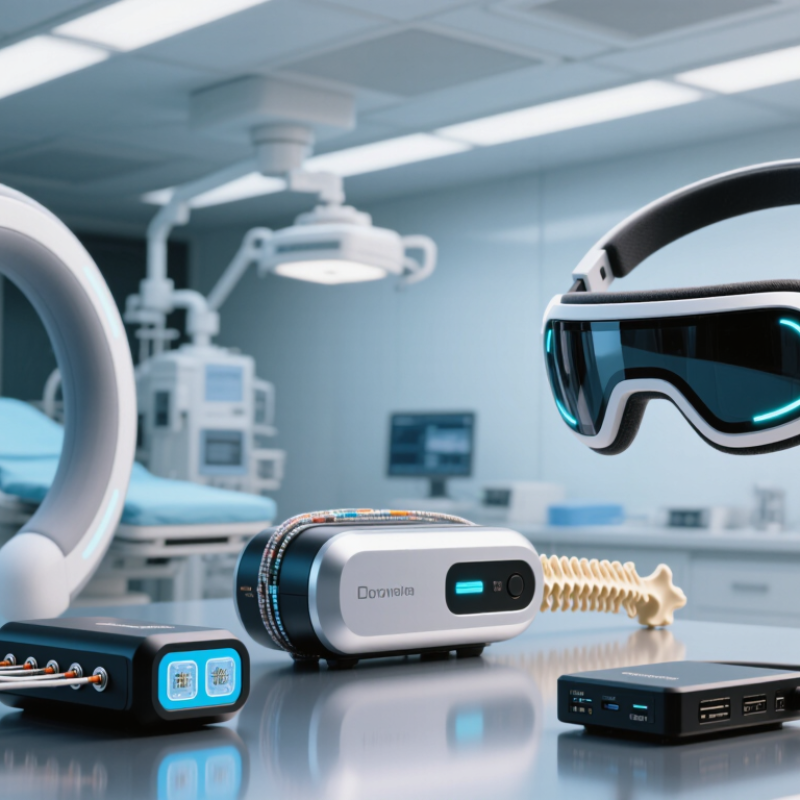
Define the Five Core Modalities: TMS, DBS, tES, VNS, and FUS
For global buyers, neural signal modulation means five distinct clinical and research modalities. Transcranial magnetic stimulation, or TMS, uses brief magnetic pulses across the scalp to influence cortical circuits. Deep brain stimulation, or DBS, delivers programmed electrical pulses through implanted electrodes. It offers precise targeting, but requires surgery and long-term follow-up. Transcranial electrical stimulation, or tES, applies low currents through scalp electrodes. It is simpler to deploy, although outcomes can vary with placement and individual anatomy.
Vagus nerve stimulation, or VNS, modulates peripheral nerve pathways through electrical pulses. It may require an implanted pulse generator, depending on the system. Focused ultrasound, or FUS, concentrates acoustic energy on selected tissue without an incision. Some systems aim for neuromodulation, while others create thermal effects, so buyers must examine the exact indication. The boundaries are not always clean.
A 2024 Fortune Business Insights report estimated the global neuromodulation market at about USD 6.9 billion in 2023, with continued growth expected through the decade. Grand View Research also identifies non-invasive stimulation as a major expansion area. These figures describe commercial momentum, not guaranteed clinical value. Procurement teams should compare randomized evidence, regulatory clearance, operator training, treatment reproducibility, cybersecurity, and maintenance requirements. MRI compatibility matters. So does patient comfort. A device with impressive specifications may still perform poorly in an undertrained clinic.
Evaluate Clinical Evidence Across Depression, Parkinson’s, Epilepsy, and Pain
2026 Top Neural Signal Modulation Devices for Global Buyers
Clinical evidence should guide every purchase decision, not promotional language. Across depression, Parkinson’s disease, epilepsy, and pain, device performance varies by indication. Published randomized trials matter, but so do follow-up duration, patient selection, and adverse-event reporting. A large improvement after four weeks may not remain after one year.
For depression, assess response and remission rates, treatment schedules, and durability. Parkinson’s studies should report motor control, medication reduction, speech changes, and cognitive outcomes.
Epilepsy evidence needs seizure-frequency data, responder definitions, and long-term safety records. Pain studies deserve extra caution. Placebo effects can be substantial, while function and sleep may matter more than pain scores alone.
Evidence is uneven. I would not treat a small pilot study as clinical proof.
Tips: Compare peer-reviewed trials, independent guidelines, and real-world registries. Ask whether the study population resembles your patients. Check operator training, maintenance needs, contraindications, and local regulatory status. Request transparent data on infections, revisions, stimulation discomfort, and device removal. A multidisciplinary review is safer than a single specialist’s opinion. Even strong evidence has limits, especially across different healthcare systems.
Verify FDA, CE MDR, and ISO 13485 Compliance for Global Procurement
For global buyers, neural signal modulation devices require more than technical specifications. Compliance evidence should guide every procurement decision. Verify the FDA pathway, not merely an “FDA registered” statement. Registration does not equal clearance or approval. Request the relevant submission number, device classification, intended use, and current status. Check that documents match the exact model, accessories, and software version offered.
For European supply, confirm CE marking under the Medical Device Regulation (MDR), where applicable. Ask for the EU Declaration of Conformity, notified body details, risk documentation, and post-market surveillance process. ISO 13485 certification should cover the manufacturing site and relevant device scope. It supports a controlled quality system, but it does not prove clinical performance alone. That distinction is easy to miss. It matters during audits, import reviews, and hospital purchasing.
Tips: Build a verification file before signing a purchase order. Record certificate numbers, expiry dates, issuing bodies, and authorized representatives. Compare labels, packaging, instructions, and online records. Ask how complaints, recalls, cybersecurity updates, and adverse events are handled. Test a sample through receiving inspection. Keep traceability from shipment to patient use. Do not rely on translated certificates alone. A local regulatory consultant may expose gaps, although that advice still needs independent checking. Requirements can change by country and device purpose. Recheck them before shipment.
Rank 2026 Devices by Accuracy, Latency, Battery Life, and Total Cost
2026 Top Neural Signal Modulation Devices for Global Buyers
Accuracy, latency, battery life, and total cost produce a more useful 2026 ranking than marketing claims. Closed-loop implanted systems lead accuracy, often exceeding 90% in controlled clinical tasks, according to 2024 reviews in IEEE Transactions on Neural Systems and Rehabilitation Engineering. Their response latency can fall below 100 milliseconds. However, surgery, calibration, and follow-up care sharply increase ownership costs. Not simple.
Non-invasive stimulation systems rank second for accessibility. Clinical evidence reviewed by the World Health Organization shows variable response rates, often influenced by electrode placement, session timing, and patient physiology. Typical systems offer millisecond-level control, but signal drift can reduce practical accuracy. Battery life usually spans several hours to multiple sessions, while replacement parts remain relatively affordable. Wearable peripheral systems rank third, with lower setup costs and battery endurance measured in days. Their signal precision is less consistent during movement.
Total cost should include training, software updates, consumables, clinical monitoring, and device disposal. A 2024 GlobalData neurotechnology analysis identified reimbursement and long-term maintenance as major adoption barriers, not hardware price alone. Buyers should request independent accuracy datasets, worst-case latency, charging-cycle results, and five-year service estimates. Published figures are often laboratory figures. Real-world performance may disappoint. A careful scorecard should weight accuracy at 35%, latency at 25%, battery life at 15%, and total cost at 25%. These weights are debatable, especially for home users.
Conclusion
This 2026 guide to Neural Signal Modulation devices explains the five core modalities—transcranial magnetic stimulation (TMS), deep brain stimulation (DBS), transcranial electrical stimulation (tES), vagus nerve stimulation (VNS), and focused ultrasound (FUS). It compares practical operating parameters, including typical 1–2 mA tES currents, 1–20 Hz TMS frequencies, and approximately 130 Hz DBS settings, while highlighting differences in targeting precision, invasiveness, latency, and clinical workflow.
The review also examines evidence across depression, Parkinson’s disease, epilepsy, and pain, helping global buyers distinguish established applications from areas requiring further validation. Procurement guidance covers verification of FDA authorization, CE MDR status, ISO 13485 quality systems, regional registration, and supplier documentation. Devices are ranked using accuracy, response latency, battery life, usability, service support, and total cost of ownership, providing a structured framework for responsible comparison and informed international purchasing decisions.