
Neuro-AI & Therapeutic Insights
Latest news, clinical updates, and technical articles on bioelectronic technology and essential tremor solutions.
7 Best Wearable Therapeutic Devices for Movement Disorders
Table of Contents
- Movement Disorders: WHO Estimated 8.5 Million People Had Parkinson’s in 2019
- U.S. Parkinson’s Burden: 90,000 New Diagnoses Annually, Parkinson’s Foundation
- Seven Wearable Therapy Types: Cueing, Stimulation, and Motion Tracking
- How Wearables Address Tremor, Freezing, Gait, and Motor Fluctuations
- Clinical Evidence, Safety, and Choosing a Device for Individual Needs
- FAQS
- Conclusion
- Related Posts
Movement disorders can make ordinary moments unpredictable: a hand may tremble while lifting a cup, or a step may feel difficult to start. Wearable therapeutic devices aim to support daily movement through tools such as gentle electrical stimulation, vibration, motion cues, or real-time feedback. They are not all designed for the same symptoms. Fit matters.
This guide explores seven options for people considering a Movement Disorder Wearable Therapeutic device, including what each approach may offer and where its limits matter. Some products provide cues that help users adjust their movement; others target specific symptoms or track patterns for later discussion with a clinician. A device’s appearance, comfort, battery life, setup, and ease of use can shape whether it fits into a real routine. A promising feature on a product page may feel different after hours of wear.
Evidence and regulatory status can vary by device, intended use, and country, so readers should check current product information and consult qualified healthcare professionals. Wearables do not replace diagnosis, medication, rehabilitation, or individualized medical advice. Results can differ. Even a well-designed device may be uncomfortable, distracting, or ineffective for a particular person. This comparison is a starting point, not a prescription; clinical guidance and personal experience both matter. It also helps to ask what outcome matters most—steadier steps, easier daily tasks, or clearer symptom tracking—before comparing features.
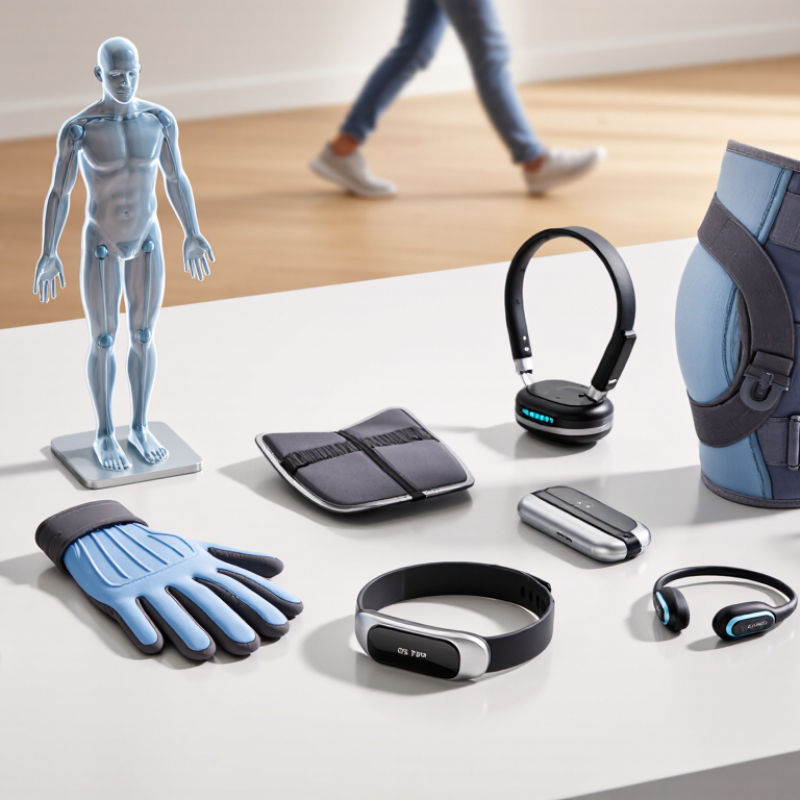
Movement Disorders: WHO Estimated 8.5 Million People Had Parkinson’s in 2019
In 2019, about 8.5 million people worldwide were living with Parkinson’s disease, according to the World Health Organization (WHO). The Global Burden of Disease Study 2019, published in The Lancet Neurology, estimated 8.51 million cases. It also found the global count had risen 2.5-fold since 1990. These are population estimates, not a forecast for any one person.
The scale matters for movement care. WHO reports that Parkinson’s prevalence has doubled over the past 25 years, while symptoms can vary from hour to hour. A person may move steadily at breakfast, then struggle with freezing or tremor while crossing a busy room. Wearable sensors can track movement patterns during everyday activities, helping clinicians review changes between appointments. Some devices also give gentle cues that may support walking practice.
But measurements are not the same as understanding. Still, context matters. A step count cannot show whether a person avoided stairs, felt exhausted, or had a medication change. Wearable data may help guide a clinical conversation, but it cannot diagnose Parkinson’s or replace an individual assessment. The WHO figures show the growing scale of need; they do not prove that every wearable improves care. Access, comfort, and useful feedback deserve equal attention.
U.S. Parkinson’s Burden: 90,000 New Diagnoses Annually, Parkinson’s Foundation
The Parkinson’s Foundation estimates that about 90,000 people in the United States are diagnosed with Parkinson’s disease each year. This annual figure points to a need for practical support beyond clinic visits. Symptoms can change throughout the day: a hand may shake while holding a cup, or steps may become hesitant in a doorway. Small disruptions can affect confidence and independence.
Wearable therapeutic devices may help some people manage specific movement challenges. Depending on the device, they may offer rhythmic cues, track movement patterns, or provide targeted stimulation. They are not interchangeable, and they do not stop Parkinson’s from progressing. Fit matters. A device that helps with walking at home may feel distracting in a crowded shop. Clinicians can help assess whether a device suits someone’s symptoms, medications, balance, and daily routines.
Benefits and evidence vary, so expectations should stay realistic. A short trial, with notes about falls, freezing episodes, and comfort, can reveal more than a feature list. Some days are harder. That is not failure. Wearables may add one layer of support, but cost, battery life, and ease of use also deserve attention. These details are easy to overlook when discussing technology.
Seven Wearable Therapy Types: Cueing, Stimulation, and Motion Tracking
Wearable therapies for movement disorders use cues, stimulation, or motion data to support specific daily tasks. Auditory cueing delivers a steady beat through an earpiece or small speaker, helping some people time their steps. Visual cueing may project a line or display a moving target. Haptic cueing uses gentle wrist or ankle vibrations to signal when to move. Small cues matter. The best cue is one a person can notice without becoming distracted.
Two stimulation types work differently. Functional electrical stimulation sends timed pulses through skin electrodes to activate selected muscles during a task. Surface sensory stimulation provides mild electrical input, though benefits and suitability vary by condition. Motion-tracking wearables use sensors to record steps, limb movement, or tremor patterns. Clinicians may use those records to adjust therapy, but a neat graph can miss fatigue, pain, or an uneven floor.
A seventh type uses mechanical support to dampen tremor or steady a limb. These devices may feel bulky, and they are not suitable for everyone. Fit matters, too. A therapist or movement-disorder clinician can help match a device to a person’s diagnosis, goals, and comfort. Evidence differs across device types, so expectations should remain realistic; even a promising tool may need repeated adjustment in ordinary settings.
How Wearables Address Tremor, Freezing, Gait, and Motor Fluctuations
Wearable therapeutic devices for movement disorders do more than count steps. Motion sensors can record tremor, walking speed, and changes in movement throughout the day. Some systems use gentle vibration or rhythmic cues to support steadier movement. During a freezing episode, a timed cue may prompt a person to shift weight or take a step. Small cues matter. But responses vary, and a cue that helps in a quiet hallway may feel distracting in a crowded shop.
For gait, wearable sensors can track stride length, walking rhythm, and left-right differences. Clinicians may use these patterns to discuss practical adjustments, rather than relying on memory alone. Devices that monitor tremor or involuntary movements may also reveal when symptoms change around medication times. They do not replace clinical assessment or prove what caused a change. A neat graph can mislead: loose straps, uneven pavements, and missed wear time all affect readings. The data can feel messier than expected. Choosing a device should involve a clinician, clear goals, and a trial in ordinary settings, such as crossing a kitchen or climbing a familiar stairway. Some users may still prefer a simple walking aid or human support.
7 Best Wearable Therapeutic Devices for Movement Disorders
How wearables address tremor, freezing, gait, and motor fluctuations
A value of 1 indicates a common design or monitoring focus; 0 indicates it is not a typical focus. This is an illustrative feature map, not a measure of treatment effectiveness. Wearable capabilities and clinical evidence vary by device and person.
Clinical Evidence, Safety, and Choosing a Device for Individual Needs
Clinical evidence for wearable devices varies by condition, device type, and outcome measured. Some studies examine cueing for gait, while others assess tremor or muscle stimulation. Results may reflect short, supervised tests rather than daily life. That matters. A steadier walk in a clinic may not mean fewer trips on a crowded sidewalk. Evidence is still developing, so ask what was measured, how many people took part, and whether the findings apply to your symptoms.
Safety depends on the person and the device. A wearable may cause skin irritation, discomfort, or unwanted sensory effects. Check fit and skin regularly, especially during early use. Stop and seek clinical advice if symptoms worsen or new problems appear. People with implanted medical devices or reduced skin sensation should ask a clinician before trying electrical stimulation. These devices are not substitutes for prescribed care.
Choosing well means matching the device to a specific daily task. Consider whether you can fasten it with your usual hand movement, tolerate its weight, and charge it reliably. Try it during a real activity, such as walking from the bedroom to the kitchen, with professional guidance when possible. Keep a brief diary of comfort, task performance, and setbacks. The diary may be imperfect, but it can reveal patterns that a single demonstration misses.
| Wearable device type | Main use and mechanism | Clinical evidence | Safety and limitations | May suit people who |
|---|---|---|---|---|
| 1. Wearable rhythmic-auditory cueing device | Provides timed beats through an ear-level device to support walking rhythm in Parkinson’s disease and other gait disorders. | Moderate Research supports short-term improvements in gait measures for some people with Parkinson’s disease. Benefit varies and is often best when cues are paired with gait training. |
Use a volume that preserves awareness of traffic and surroundings. Cues may distract some users or be less useful during complex tasks; they do not treat the underlying disease. | People who respond to a steady rhythm and have a safe, open environment for practice. |
| 2. Wearable visual-cueing device | Projects or displays a visual line or stepping target to help initiate steps or regulate stride length, particularly in Parkinsonian gait. | Low to moderate Visual cueing can help some people with freezing or short steps, but results differ by person and setting; evidence for any one wearable format is limited. |
May be ineffective in poor lighting or for people with visual impairment. A projected cue can divert attention or create a trip hazard if used while walking in busy areas. | People who can see and follow a visual target and have found visual cues helpful during supervised assessment. |
| 3. Wearable vibrotactile cueing device | Delivers gentle vibration cues, often at the wrist, waist, or ankle, to prompt movement or provide rhythmic timing without sound. | Emerging Small studies suggest potential for gait cueing, but evidence is not yet strong enough to establish reliable benefit across people with Parkinson’s disease or freezing of gait. |
Skin irritation, reduced sensation, or habituation may limit use. A cue should be tested with a clinician because it may not reliably prevent a fall or freezing episode. | People who prefer quiet cues or cannot comfortably use audio cues, after an individual trial. |
| 4. Wearable sensor-based biofeedback system | Body-worn motion sensors measure movement and provide feedback about gait, posture, balance, or activity during rehabilitation. | Emerging Wearable sensors can measure movement, and feedback may support rehabilitation. Studies are heterogeneous; measurement capability does not itself establish improved symptoms or fewer falls. |
Sensor readings may be inaccurate in some activities. Feedback should complement, not replace, clinical assessment and supervised exercise; consider comfort, data privacy, and charging needs. | People working with a rehabilitation professional who can select meaningful goals and interpret the feedback. |
| 5. Wrist-worn transcutaneous nerve-stimulation device for essential tremor | Applies patterned electrical stimulation through skin electrodes near wrist nerves, aiming to temporarily reduce hand tremor. | Moderate Sham-controlled clinical studies have reported short-term tremor improvement for some people with essential tremor. Benefit is not universal and is generally limited to the treatment period. |
Possible effects include tingling, discomfort, or skin irritation. Follow the device’s medical screening and use instructions; a clinician should review implanted electronic devices, reduced sensation, or skin problems. | People with essential tremor seeking a non-drug option for temporary help with hand tasks. It is not a treatment for Parkinson’s disease tremor. |
| 6. Wearable mechanical tremor-suppression orthosis | Uses a brace, damping element, or powered support to reduce unwanted movement of the wrist or hand during selected tasks. | Low Published studies are limited, and effects depend on the device, task, and tremor pattern. These systems are not established as routine treatment for most movement disorders. |
May be bulky, uncomfortable, or restrict useful movement. Check skin condition and circulation, and assess whether the device interferes with daily activities. | People whose tremor affects specific tasks and who can trial a properly fitted device with an occupational therapist or clinician. |
| 7. Wearable functional electrical stimulation (FES) for foot drop | Stimulates a peripheral nerve during walking to activate muscles that lift the foot; commonly used for selected cases of foot drop after stroke or in multiple sclerosis. | Moderate to strong for selected foot-drop populations Clinical evidence supports FES as a gait aid for some people with stroke-related or MS-related foot drop. This is not a general treatment for Parkinson’s disease or tremor. |
Requires appropriate assessment and fitting. Skin irritation, discomfort, or unsuitable nerve and muscle function can limit use; it may not be appropriate for every person or gait pattern. | People with foot drop who are assessed by a rehabilitation clinician and can operate and maintain the system. |
How to interpret the evidence: Evidence levels are broad summaries, not formal guideline grades. They reflect the amount and consistency of clinical research for the stated use; results can differ by diagnosis and individual. Wearable devices generally support symptom management or rehabilitation and do not cure movement disorders. A movement-disorders clinician or rehabilitation professional can help assess fit, safety, and likely benefit. Relevant evidence includes clinical guidance for Parkinson’s disease and physiotherapy, controlled studies of cueing and tremor stimulation, and research on FES for foot drop after stroke or in multiple sclerosis.
FAQS
An estimated 8.51 million people were living with Parkinson’s in 2019. The global count was about 2.5 times higher than in 1990.
No. It describes population estimates, not what will happen to one person. Individual symptoms and needs can differ.
Someone may walk steadily at breakfast, then experience tremor or freezing later. A doorway can suddenly feel difficult.
They can track movement patterns during daily activities. Those records may help people discuss changes between appointments.
No. Step counts cannot explain fatigue, avoided stairs, or medication changes. The numbers need context.
An estimated 90,000 people receive a Parkinson’s diagnosis annually. This figure points to ongoing needs beyond clinic visits.
Depending on its design, it may offer rhythmic cues, track movement, or provide targeted stimulation. Devices are not interchangeable.
A short trial can include notes on freezing, falls, and comfort. Fit matters. Battery life and cost matter too. The results may still be hard to interpret.
Conclusion
Movement disorders can affect mobility, balance, and everyday independence. The World Health Organization estimated that 8.5 million people worldwide were living with Parkinson’s disease in 2019, while the Parkinson’s Foundation reports about 90,000 new U.S. diagnoses each year. This overview introduces seven types of wearable therapeutic approaches, including devices that provide sensory cues, deliver stimulation, or track movement. A Movement Disorder Wearable Therapeutic may be designed to support specific needs such as tremor management, freezing episodes, walking patterns, or motor fluctuations.
Wearables vary in how they work and in the evidence available for their use. Understanding potential benefits, limitations, comfort, and safety can help individuals and care teams consider whether a device fits a person’s symptoms and daily routines. Clinical guidance is important when comparing options, since needs differ and wearable devices are not a substitute for individualized medical care.

Blog Tags: