
Neuro-AI & Therapeutic Insights
Latest news, clinical updates, and technical articles on bioelectronic technology and essential tremor solutions.
What Is Noninvasive Neural Stimulation and How Does It Work?
Noninvasive Neural Stimulation uses devices placed on or near the head to influence brain activity without surgery. It may sound futuristic, but some methods are already used in clinical care. Others remain under study. Nothing is implanted. The aim is to alter patterns of neural activity, not to read thoughts or control behavior.
A magnetic coil can deliver brief pulses through the scalp, creating currents that affect nearby brain tissue. Other approaches, such as transcranial electrical stimulation, apply weak currents through small electrodes on the scalp. The sensation may be a light tapping, warmth, or tingling. Methods differ in how they work, and their effects depend on factors such as stimulation settings, treatment schedule, and individual health. Small details matter.
This guide explains the main forms of Noninvasive Neural Stimulation, how clinicians use them, and what research can—and cannot—tell us about their benefits. Evidence varies by method and condition; a promising result in one study does not guarantee the same outcome for everyone. Some treatments may cause temporary discomfort, and screening matters, especially for people with certain medical histories or implanted devices. The field is evolving. Even specialists are still refining explanations of how stimulation produces lasting changes. Understanding both the practical steps and the uncertainties can help readers ask informed questions and discuss appropriate options with a qualified healthcare professional.
What Noninvasive Neural Stimulation Is
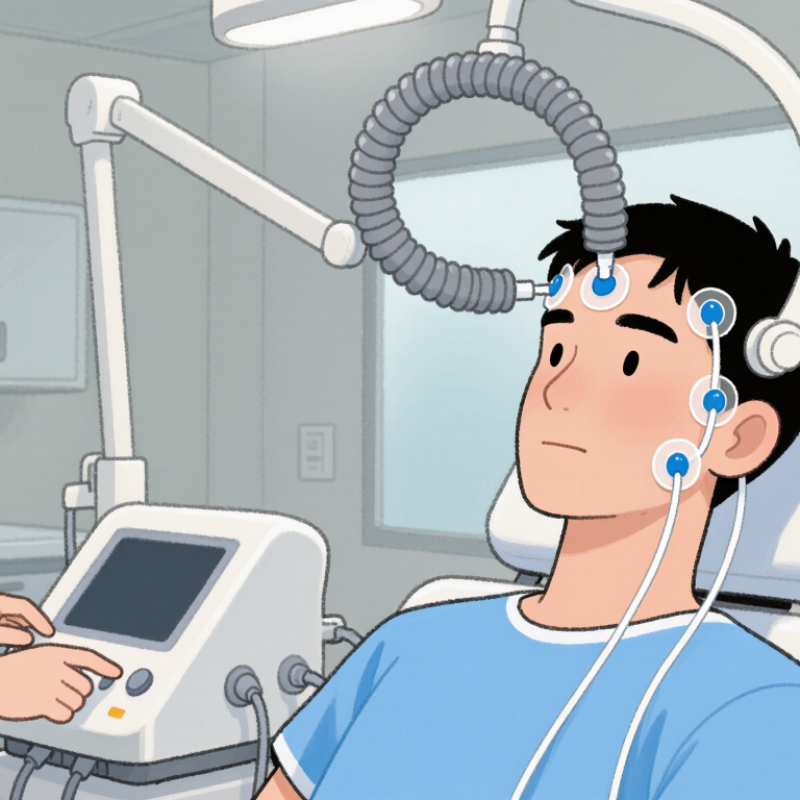
Noninvasive neural stimulation changes activity in the brain or nerves without surgery or implanted electrodes. Devices deliver magnetic pulses or mild electrical currents through the scalp. Transcranial magnetic stimulation uses a coil near the head; transcranial electrical stimulation uses electrodes placed on the skin. The sensation may be a brief tap, tingling, or warmth. It is not a single treatment, and settings depend on the method and clinical goal.
These techniques aim to influence how groups of nerve cells communicate, rather than “switching on” one precise thought. A clinician or trained researcher positions the equipment and adjusts stimulation parameters. Effects can differ between people, and researchers are still studying which protocols work best for whom. The WHO’s 2023 depression fact sheet estimated that 280 million people worldwide live with depression. That figure describes the scale of need, not the number who benefit from stimulation. The distinction matters.
Tips: Ask what device and protocol are proposed, what evidence supports their use, and what side effects to watch for. A little uncertainty remains; that is worth discussing openly with a qualified clinician.
How External Signals Influence Neural Activity
Noninvasive neural stimulation uses signals delivered from outside the body to influence activity in targeted brain regions. With magnetic stimulation, a brief changing magnetic field passes through the skull and induces a small electrical current in nearby tissue. With electrical stimulation, electrodes on the scalp send a weak current through the head. Neither method switches a brain region on like a light.
The details matter. Signal strength, timing, electrode or coil position, and a person’s current brain state can all affect the response. The effect is subtle. Researchers measure changes using tools such as brain recordings or carefully designed tasks, rather than assuming a sensation proves stimulation worked. Some people feel scalp tingling or a brief muscle twitch; others notice little.
External signals may shift how readily neurons respond to incoming messages, but they do not dictate a specific thought or action. Results can vary across people, and even small differences in placement may matter. The picture is less tidy than a diagram suggests. Evidence supports particular uses under defined conditions, while many proposed effects remain uncertain. Assessment and treatment decisions belong with qualified clinicians, especially because stimulation can be unsuitable for some medical histories or circumstances.
Major Types of Noninvasive Stimulation
Noninvasive neural stimulation changes brain or nerve activity without surgery. The main approaches differ in how they deliver energy and where it acts. Transcranial magnetic stimulation (TMS) uses a coil placed against the scalp. Brief magnetic pulses induce electrical currents in targeted brain tissue. FDA’s 2018 evidence review describes depression protocols ranging from 600 pulses over about three minutes to 3,000 pulses over roughly 38 minutes. Session length depends on the protocol.
Transcranial electrical stimulation (tES) sends a weak current through scalp electrodes. Its common forms include tDCS, which uses steady current, and tACS, which alternates current. Research protocols often use currents around 1–2 milliamps for about 20 minutes, though settings vary. The IFCN’s 2021 expert guidelines emphasize careful dosing and safety monitoring. Small electrodes. Mild tingling can occur.
A third category stimulates peripheral nerves, rather than directly targeting the brain. Transcutaneous auricular vagus nerve stimulation places an electrode on parts of the outer ear; other methods stimulate nerves near the skin. These signals may influence connected brain networks, but the pathways and clinical effects remain under study. The distinction between “brain” and “nerve” stimulation is useful, yet not perfect. Electrode placement, pulse pattern, and individual anatomy can all change the response. Sources: FDA evidence review, 2018; International Federation of Clinical Neurophysiology safety guidelines, 2021.
Major Types of Noninvasive Neural Stimulation
Schematic comparison of how common stimulation signals differ over time.
TMS uses brief magnetic pulses; tDCS applies steady direct current; tACS applies alternating current; and tRNS applies varying, noise-like current. Waveforms are normalized illustrations, not clinical dose measurements or to scale.
What Happens During a Stimulation Session
During a noninvasive stimulation session, you usually sit in a treatment chair while a clinician checks your symptoms, medications, and comfort. The procedure depends on the method. With transcranial magnetic stimulation, a coil rests against your scalp and delivers brief magnetic pulses. You may hear clicking and feel tapping near the treatment area. It can be uncomfortable at first. Tell the clinician if the sensation becomes painful.
A typical course is not one visit. Clinical TMS Society consensus recommendations describe treatment schedules commonly involving five sessions per week for four to six weeks. Session length varies by protocol; some take around 20–40 minutes. You remain awake, and staff can pause or adjust treatment if needed. They may ask about headaches or scalp tenderness afterward. Results and side effects differ, so a standard schedule is not a guarantee. The room can feel oddly quiet between pulse trains, and that is worth mentioning if it unsettles you.
Tips: Wear comfortable clothing and arrive with time for screening. Bring questions about session length and follow-up. Small detail, big difference: report new or worsening symptoms rather than trying to push through them.
Clinical Uses, Benefits, and Safety Considerations
Noninvasive neural stimulation uses energy applied through the scalp to influence brain activity without surgery. Transcranial magnetic stimulation delivers brief magnetic pulses, while electrical stimulation methods use weak currents. Treatment plans depend on the method, condition, and a person’s medical history.
Clinicians use certain stimulation protocols for conditions such as depression and migraine. For some people, treatment can ease symptoms when other approaches have not helped enough. Sessions usually take place in a clinic, and patients remain awake. Results vary. Improvement may take repeated visits, and benefits are not guaranteed. Evidence also differs between methods and conditions; promising findings do not always mean a treatment is established for every use.
Safety screening matters. Temporary scalp discomfort, headache, or facial twitching can occur with magnetic stimulation. Electrical methods may cause brief tingling or skin redness. Rarely, magnetic stimulation can trigger a seizure. A clinician should review seizure history, medications, and implanted devices, including metal or electronic devices near the head. Patients should report new symptoms rather than assume they are harmless. One limitation is easy to overlook: treatment schedules can be demanding, and the most suitable option may still be unclear after an initial assessment.
| Method | How It Works | Clinical Uses and Evidence | Potential Benefits | Safety Considerations |
|---|---|---|---|---|
| Repetitive transcranial magnetic stimulation (rTMS) | A coil placed against the scalp produces brief magnetic pulses that induce electrical currents in targeted areas of the brain. Treatment is delivered in repeated sessions. | Used clinically for major depressive disorder and, in some jurisdictions, for other specified conditions such as obsessive-compulsive disorder or migraine. Approved or cleared uses vary by location and protocol. | Can reduce symptoms for some people, including those who have not benefited sufficiently from medication or psychotherapy. It does not require surgery or general anesthesia. | Common effects include temporary scalp discomfort or headache. Seizure is rare but possible. Screening is important for seizure risk and certain implanted metallic or electronic devices near the head. |
| Transcranial direct-current stimulation (tDCS) | Low-intensity direct current is delivered through electrodes on the scalp. It generally modulates the likelihood of neuronal firing rather than directly causing each neuron to fire. | Studied for depression, pain, stroke rehabilitation, and other conditions. Evidence and clinical guidance vary; it is not an established treatment for every condition studied. | Portable equipment and generally mild, short-lived effects have made it useful in research and some supervised clinical settings. | Possible effects include tingling, itching, skin redness, or headache. Incorrect electrode placement or excessive use can cause skin injury. Use should follow qualified clinical guidance. |
| Transcranial alternating-current stimulation (tACS) | Electrodes deliver a low-intensity alternating current intended to influence the timing or rhythms of activity in targeted brain networks. | Primarily investigated in research for neurological and psychiatric conditions, sleep, and cognition. Clinical effectiveness is not established for many proposed uses. | Offers a noninvasive way to study and potentially modulate brain rhythms; possible therapeutic benefits remain under investigation. | Temporary tingling, itching, or skin irritation may occur. Stimulation can produce visual sensations depending on electrode placement. Safety and effectiveness depend on protocol and appropriate supervision. |
| Noninvasive vagus nerve stimulation (nVNS) | Electrical stimulation is applied through the skin near a superficial branch of the vagus nerve, commonly at the neck or ear, depending on the method. | Used or studied for conditions including headache disorders. Availability and authorized indications differ across jurisdictions; evidence is condition-specific. | May provide a non-drug treatment option for selected patients and can often be used without surgery. | Possible effects include local discomfort, tingling, skin irritation, or dizziness. A clinician should review relevant heart conditions, implanted electrical devices, and other individual risks. |
| General clinical safeguards | Methods differ in the type of energy used, the targeted tissue, treatment schedule, and degree of evidence. | Suitability depends on the diagnosis, treatment history, patient factors, and local clinical guidance. Stimulation may be used alongside—not necessarily instead of—other care. | These approaches avoid an incision and may offer targeted treatment, but response varies and benefits are not guaranteed. | Assessment by a qualified health professional is recommended. Report implanted devices, seizure history, pregnancy, skin problems, and new or worsening symptoms; seek urgent care for severe or unexpected effects. |
FAQS
It changes brain or nerve activity without surgery or implanted electrodes. Devices use magnetic pulses or mild electrical currents through the skin.
Magnetic stimulation uses a coil near the scalp. Electrical stimulation uses small skin electrodes. Other methods stimulate nerves near the skin, including parts of the outer ear.
You may hear clicking or feel tapping, tingling, or warmth. Some people find it uncomfortable at first. Tell the clinician if it hurts.
It depends on the method and protocol. Some sessions last about 20–40 minutes, and a course may involve repeated visits over several weeks.
No. It aims to influence communication among groups of nerve cells. It does not target one precise thought.
No. Responses and side effects vary between people. Researchers are still studying which settings may suit different individuals.
Ask which device and protocol are proposed, what evidence supports them, and which side effects to watch for. Ask about follow-up, too.
Report headaches, scalp tenderness, or new or worsening symptoms. Staff may pause or adjust a session. Don’t try to push through pain.
No. A typical schedule is only a guide, not a promise. That uncertainty can feel frustrating, and it deserves an honest conversation.
Conclusion
Noninvasive Neural Stimulation refers to methods that influence activity in the brain or nervous system without surgery. These approaches use carefully controlled signals, such as magnetic fields or weak electrical currents, applied from outside the body. Depending on the method, the signals may encourage or reduce activity in selected neural circuits. Common techniques include magnetic stimulation and transcranial electrical stimulation, which differ in how they deliver energy and target tissue.
During a session, a clinician reviews the person’s needs, positions the equipment, and applies stimulation for a set period while monitoring comfort and response. Researchers and healthcare professionals study or use these methods for conditions such as depression, chronic pain, and recovery after neurological injury. Potential benefits include avoiding implanted devices and supporting targeted treatment, though results vary. Side effects are often temporary, such as scalp discomfort or headache, but suitability and risks depend on the person and technique. Professional assessment and appropriate monitoring are important.

Blog Tags: