
Neuro-AI & Therapeutic Insights
Latest news, clinical updates, and technical articles on bioelectronic technology and essential tremor solutions.
Top Bioelectronic Medicine Devices for Global Buyers
Table of Contents
- Bioelectronic Medicine Defined: Devices That Modulate Neural Circuits
- Top Device Categories: DBS, VNS, SCS, Cochlear Implants, and Wearables
- Clinical Evidence: WHO Reports Over 8.5 Million Parkinson’s Cases
- Buyer Comparison: Indications, Efficacy, Safety, and Battery Life
- Global Procurement Standards: FDA, CE Mark, and ISO 13485 Requirements
- FAQS
- Conclusion
- Related Posts
Bioelectronic medicine is moving from specialist hospitals into broader global healthcare procurement. These devices use electrical signals to influence nerves, organs, or muscles. Examples include vagus nerve stimulators, spinal cord stimulators, deep brain stimulators, and wearable neuromodulation systems. The opportunity is substantial. The World Health Organization reports that 2.5 billion people need at least one assistive product, with demand expected to exceed 3.5 billion by 2050. Not all users require bioelectronic therapy, but the wider need is difficult to ignore.
Market forecasts remain encouraging, yet inconsistent. Grand View Research and Fortune Business Insights both report strong growth across neuromodulation and bioelectronic medicine markets, although their definitions and forecasts differ. That difference matters. Global buyers should examine clinical indications, evidence quality, device longevity, battery replacement needs, and training requirements. A Bioelectronic Medicine Device may look compact in a catalogue, but its real value depends on implantation support, software reliability, and follow-up care. The FDA has also emphasized cybersecurity controls for connected medical devices, while international buyers must review applicable quality and safety requirements in their target markets.
This guide compares leading device categories for hospitals, distributors, and healthcare investors. It considers clinical evidence, manufacturer experience, interoperability, service coverage, and total ownership cost. Procurement is rarely simple. A lower purchase price may conceal expensive programming tools or limited technical support. Some published market data also relies on commercial estimates rather than audited outcomes. Buyers should remain cautious, request current documentation, and involve qualified clinicians before making decisions. Reliable innovation needs scrutiny, not excitement alone.
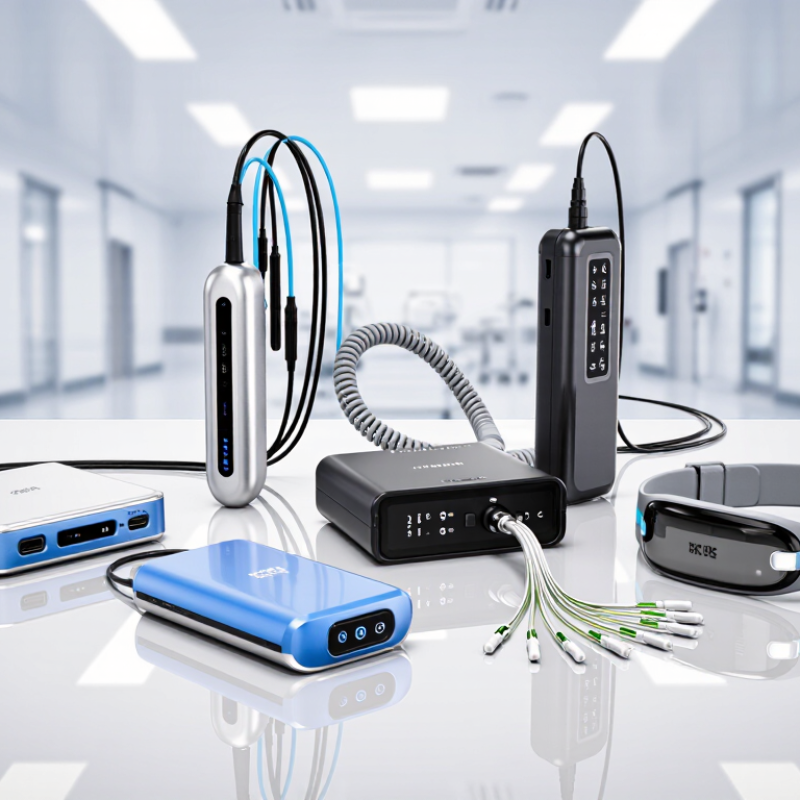
Bioelectronic Medicine Defined: Devices That Modulate Neural Circuits
Bioelectronic medicine uses electrical signals to influence neural circuits. These devices may stimulate the brain, spinal cord, or peripheral nerves. Unlike conventional drugs, they target communication pathways in real time. A small implanted pulse generator can deliver carefully timed signals near a nerve. Some systems adjust stimulation after sensing physiological changes. That closed-loop approach is promising, but still technically demanding.
The need is substantial. The World Health Organization’s Intersectoral Global Action Plan on Epilepsy and Other Neurological Disorders reports that more than 3 billion people lived with neurological conditions in 2021. The Global Burden of Disease Study 2021, published in The Lancet Neurology, reached a similar scale. These figures do not make every patient suitable for neural modulation. Patient selection remains central.
For global buyers, evidence should come before impressive demonstrations. Review clinical endpoints, adverse-event rates, battery life, lead placement accuracy, and long-term follow-up. Check whether clinicians can interpret signal quality in a busy operating room. Also examine training needs, data security, maintenance access, and local regulatory pathways. Devices should fit real hospitals, not only research laboratories.
The field is not tidy. Market reports often disagree because definitions include implants, wearables, and diagnostic systems. Buyers should separate neural modulation from general digital health. A robust evaluation asks one practical question: does the device produce repeatable benefits for appropriately selected patients? A remarkable prototype may still lack durable evidence. That distinction deserves more attention.
Top Bioelectronic Medicine Devices for Global Buyers
Bioelectronic medicine uses electrical or magnetic stimulation to modulate neural circuits involved in movement, pain, mood, and organ function.
The chart compares representative clinical stimulation or repetition frequencies for established neuromodulation device classes. Values are typical reference settings rather than universal device specifications; actual parameters vary by indication, treatment protocol, and patient.
Reference framework: FDA device information and clinical guidance from NICE and major peer-reviewed neuromodulation literature.
Top Device Categories: DBS, VNS, SCS, Cochlear Implants, and Wearables
Top Bioelectronic Medicine Devices for Global Buyers
Bioelectronic medicine devices support targeted electrical stimulation for selected neurological and sensory conditions. Deep brain stimulation (DBS) uses implanted electrodes to influence specific brain circuits. Vagus nerve stimulation (VNS) sends programmed pulses through the vagus nerve. Spinal cord stimulation (SCS) targets pain pathways near the spinal cord. Each system requires clinical assessment, surgical planning, and long-term follow-up. Patient anatomy, treatment goals, battery life, and software controls can affect results. The technology is impressive, but outcomes are never guaranteed.
Cochlear implants can convert sound into electrical signals for people with specific types of severe hearing loss. They require hearing evaluations, imaging, surgery, and structured rehabilitation. Wearables offer a less invasive option. Sensors may track movement, heart signals, sleep patterns, or tremor changes. However, consumer data can be incomplete, and wearable readings should not replace medical diagnosis. Buyers should examine validation studies, cybersecurity practices, servicing capacity, and compatibility with local healthcare systems. Regulatory clearance also differs between countries.
Tips: Define the clinical use before comparing devices. Request published safety and performance data. Confirm training requirements for clinicians and users. Check replacement parts, technical support, and language options. Ask how data is stored and shared. A lower purchase price may hide costly maintenance. Global procurement can be complicated. Evidence may also be uneven across device categories, so careful review remains essential.
Clinical Evidence: WHO Reports Over 8.5 Million Parkinson’s Cases
WHO reports that more than 8.5 million people were living with Parkinson’s disease worldwide in 2019. This growing burden increases demand for clinically supported bioelectronic medicine devices. Parkinson’s can affect movement, sleep, speech, balance, and daily independence. A device must address real patient needs, not merely offer impressive technical specifications.
Deep brain stimulation remains one of the best-established bioelectronic approaches for selected patients with advanced symptoms. Implanted electrodes deliver controlled electrical pulses to targeted brain regions. Clinical studies report meaningful improvements in tremor, rigidity, and motor fluctuations for suitable candidates. However, outcomes depend on patient selection, surgical expertise, programming, and long-term follow-up. The technology is powerful, but not simple.
Wearable sensors can record gait speed, tremor frequency, and medication-related changes during daily activities. These measurements may help clinicians adjust treatment more precisely than occasional clinic observations. Emerging adaptive systems can respond to changing neural or movement signals. Their evidence is still developing. Smaller studies, limited follow-up, and unequal access remain concerns. Global buyers should examine peer-reviewed trials, regulatory clearance, cybersecurity controls, battery life, service training, and replacement logistics. A device may perform well in a hospital, yet prove difficult in rural care settings. That gap deserves more attention.
Buyer Comparison: Indications, Efficacy, Safety, and Battery Life
Top Bioelectronic Medicine Devices for Global Buyers
Indications should guide the shortlist, not marketing language. Devices may target chronic pain, movement disorders, epilepsy, bladder control, or cardiac rhythm management. Each indication requires different outcome measures and follow-up periods. Ask whether the device treats a confirmed diagnosis. Also check whether its approved use matches the patient population.
Efficacy deserves a practical review. Look for randomized trials, real-world registries, and patient-reported outcomes. Pain reduction alone may not show better sleep, mobility, or daily function. For implanted systems, assess response rates, revision rates, and the time needed to reach stable settings. Evidence quality can vary widely. I would not treat a small study as universal proof.
Safety includes surgical risk, infection, lead migration, tissue effects, and unwanted stimulation. Buyers should examine training requirements, remote monitoring, and emergency procedures. Battery life affects more than convenience. A rechargeable unit may reduce replacement surgery but requires reliable charging habits. A primary-cell unit may simplify daily use but need earlier replacement. Battery estimates are not promises. Usage intensity, stimulation settings, and charging behavior can change them. Ask for tested ranges, service support, and replacement planning. A clear warranty matters. So does clinician access.
Global Procurement Standards: FDA, CE Mark, and ISO 13485 Requirements
Top Bioelectronic Medicine Devices for Global Buyers
Global Procurement Standards: FDA, CE Mark, and ISO 13485 Requirements
Selecting bioelectronic medicine devices requires more than comparing stimulation settings, battery life, or delivery methods. Buyers should verify the device classification in each target market. In the United States, the regulatory pathway may involve 510(k) clearance, De Novo classification, or Premarket Approval, depending on risk and intended use. The submission should match the exact indications, accessories, and software functions. Small wording differences matter.
The CE Mark reflects conformity with applicable European Union requirements, not automatic approval worldwide. Buyers should review the declaration of conformity, technical documentation, clinical evaluation, and post-market surveillance plan. For suppliers outside the European Union, an appropriate authorized representative may be required. Check the certificate scope carefully. It may exclude a model, accessory, or intended clinical purpose.
ISO 13485 certification shows that a manufacturer operates a medical-device quality management system. It does not prove that every device is clinically effective or legally marketable. Procurement teams should examine complaint records, supplier controls, change-management procedures, and traceability from components to finished units. I have found that polished certificates can hide weak evidence. A site audit, sample review, and independent regulatory assessment can reveal gaps. No checklist is perfect. Battery failures, software updates, and training materials still need practical evaluation before purchase.
| Device Category | Primary Bioelectronic Function | Typical Clinical Use | Implantable Status | Typical FDA Route | Typical EU MDR Class | Core ISO 13485 Procurement Evidence | Important Supporting Standards |
|---|---|---|---|---|---|---|---|
| Transcutaneous Electrical Nerve Stimulation | Delivers controlled electrical pulses through surface electrodes to modulate peripheral sensory nerves. | Temporary relief of certain acute or chronic pain conditions; intended use varies by device. | Non-implantable. | Often 510(k) when substantial equivalence can be demonstrated; route depends on intended use and technological characteristics. | Commonly Class IIa or IIb, depending on duration of contact, energy delivery, and intended purpose. | Valid ISO 13485 certificate, defined design controls, electrical safety testing, risk-management file, clinical evaluation, and post-market surveillance procedure. | ISO 14971; IEC 60601-1; applicable IEC 60601-2 collateral or particular standards; IEC 62304 where software is included. |
| Transcutaneous or Auricular Vagus Nerve Stimulation | Applies electrical stimulation to selected external nerve-access points to influence autonomic or central nervous system activity. | Indication-specific applications such as headache, pain, or other neurological conditions; claims must match regulatory authorization. | Non-implantable. | 510(k), De Novo, or another route may apply depending on claims, stimulation site, and predicate availability. | Often Class IIa or IIb; final classification requires a rule-based assessment under EU MDR. | ISO 13485 certification within the legal manufacturer’s scope, clinical evaluation report, usability file, biocompatibility data for patient-contacting parts, and traceability records. | ISO 14971; IEC 60601-1; IEC 60601-1-2 for electromagnetic compatibility; IEC 62366-1 for usability engineering. |
| Implantable Vagus Nerve Stimulation System | An implanted pulse generator and lead deliver programmed electrical stimulation to the vagus nerve. | Selected drug-resistant neurological conditions and other indications only where specifically authorized. | Implantable; includes an implanted generator and lead system. | Typically PMA for high-risk implantable therapeutic systems; supplemental applications may be required for significant changes. | Generally Class III because it is an active implantable therapeutic system. | ISO 13485 certificate, implantable-device design history, sterilization validation, shelf-life data, implant and lead traceability, clinical evidence, and vigilance process. | ISO 14971; ISO 10993 series; ISO 14708 series where applicable; IEC 60601-1-2; IEC 62304 for embedded software. |
| Deep Brain Stimulation System | Uses implanted electrodes and a programmable pulse generator to deliver targeted stimulation to brain structures. | Movement disorders and other neurological indications subject to authorization and clinical evidence. | Implantable. | Typically PMA because of the high-risk implantable therapeutic function. | Generally Class III under EU MDR. | ISO 13485 certificate, clinical investigation or clinical evaluation evidence, software lifecycle documentation, MRI and electromagnetic compatibility conditions, and implant traceability. | ISO 14971; ISO 10993; IEC 60601-1; IEC 62304; IEC 62366-1; applicable implantable-device and MRI safety requirements. |
| Spinal Cord Stimulation System | Stimulates spinal neural pathways through implanted epidural leads connected to a pulse generator. | Management of selected chronic pain conditions after clinical assessment. | Implantable, with leads and a programmable pulse generator. | Typically PMA for implantable therapeutic systems; specific components and modifications require regulatory review. | Generally Class III under EU MDR. | ISO 13485 certificate, implant and lead validation, sterilization records, battery performance data, clinical evidence, MRI compatibility information, and complaint-handling records. | ISO 14971; ISO 10993; IEC 60601-1; IEC 62304; IEC 62366-1; applicable active implantable-device standards. |
| Cochlear Implant System | Converts external sound into coded electrical signals that stimulate the auditory nerve through an implanted electrode array. | Severe-to-profound sensorineural hearing loss in appropriately assessed patients. | Implantable with an external sound-processing component. | Typically PMA because of the implantable therapeutic and life-supporting sensory function. | Generally Class III under EU MDR. | ISO 13485 certificate, biocompatibility assessment, sterilization validation, software and firmware controls, acoustic and electrical safety data, and long-term implant surveillance. | ISO 14971; ISO 10993; IEC 60601-1; IEC 62304; IEC 62366-1; applicable hearing-aid and implantable-device requirements. |
| Cardiac Pacemaker System | Senses cardiac activity and delivers timed electrical pulses to support cardiac rhythm. | Treatment of selected bradyarrhythmias and conduction disorders. | Implantable, usually consisting of a pulse generator and one or more leads. | Typically PMA due to the high-risk, life-supporting implantable function. | Generally Class III under EU MDR. | ISO 13485 certificate, electrical and pacing performance validation, battery and longevity data, lead reliability testing, sterilization validation, clinical evidence, and unique-device traceability. | ISO 14971; ISO 10993; IEC 60601-1; IEC 62304; applicable pacemaker and active implantable-device standards. |
| Wearable Bioelectronic Monitoring and Closed-Loop Stimulation Device | Combines physiological sensing, algorithmic analysis, and, where authorized, adaptive electrical stimulation. | Monitoring or treatment support for neurological, muscular, rehabilitation, or pain-related conditions, depending on approved claims. | Usually non-implantable; may include skin-contact electrodes or sensors. | 510(k), De Novo, or another route depending on whether the device monitors, diagnoses, stimulates, or makes treatment decisions. | Often Class IIa or IIb; software-driven or decision-support functions may increase classification. | ISO 13485 certificate, cybersecurity documentation, software lifecycle file, usability engineering, clinical performance data, data-integrity controls, and supplier qualification records. | ISO 14971; IEC 62304; IEC 62366-1; IEC 60601-1-2 where applicable; IEC 81001-5-1 for health-software cybersecurity where applicable. |
| Procurement note: FDA pathway and EU MDR classification are determined by the legal manufacturer’s intended purpose, risk profile, technology, implantability, duration of contact, and clinical claims. Buyers should verify the current FDA clearance or approval status, EU Declaration of Conformity, valid CE certificate where third-party conformity assessment is required, ISO 13485 certificate scope, authorized economic operators, UDI or equivalent traceability, sterilization validation, clinical evidence, cybersecurity controls, and post-market surveillance records before purchase. | |||||||
FAQS
Bioelectronic medicine uses electrical signals to influence brain, spinal, or peripheral nerve activity. A small implanted generator can send timed pulses near a nerve. Some systems adjust stimulation after sensing body changes. That approach remains technically demanding.
Devices may support selected patients with movement disorders, chronic pain, epilepsy, bladder problems, or cardiac rhythm conditions. The correct indication depends on diagnosis, symptoms, and approved use. Marketing claims are not enough.
Review randomized trials, patient-reported outcomes, registries, adverse-event rates, and long-term follow-up. Check whether benefits improve daily function, sleep, mobility, or independence. Evidence is uneven. A small study cannot represent every patient.
Implanted stimulation may improve tremor, rigidity, and motor fluctuations in suitable patients. Results depend on selection, surgery, programming, and continuing clinical support. Wearable sensors can track gait speed, tremor frequency, and daily changes. Their evidence is still developing.
Examine infection, surgical complications, lead movement, tissue effects, and unwanted stimulation. Ask about emergency procedures, remote monitoring, clinician training, and replacement planning. A device that works in a laboratory may challenge a rural hospital.
Battery life affects charging routines, replacement surgery, maintenance, and long-term costs. Rechargeable systems may reduce replacement procedures but require dependable charging habits. Primary-cell systems may simplify daily use but need earlier replacement. Battery estimates are not promises.
Systems collecting physiological signals need strong cybersecurity controls and clear access policies. Buyers should confirm service availability, software support, training, and replacement logistics. A locked cabinet and unavailable technician can stop practical use.
Confirm the diagnosis and match treatment goals with measured outcomes. Review medical history, surgical risk, expected adherence, and follow-up access. Patient selection remains central. I might still underestimate real-world barriers.
Conclusion
Bioelectronic medicine uses clinically designed devices to modulate neural circuits and support the treatment of neurological, sensory, and pain-related conditions. This overview introduces major device categories, including deep brain stimulation, vagus nerve stimulation, spinal cord stimulation, cochlear implants, and wearable technologies. Each Bioelectronic Medicine Device is evaluated according to its intended indication, therapeutic effectiveness, safety profile, ease of use, and expected battery life. The growing global burden of neurological disease, including more than 8.5 million reported Parkinson’s cases, highlights the importance of reliable and accessible solutions.
For international buyers, careful comparison and regulatory review are essential. Procurement decisions should consider clinical evidence, patient suitability, implantation or usage requirements, maintenance needs, and long-term operating costs. Devices should also meet applicable quality and safety expectations, including FDA authorization where required, CE Marking for relevant markets, and manufacturing systems aligned with ISO 13485. By combining clinical performance with transparent compliance standards, healthcare organizations can make informed purchasing decisions and support safe, sustainable adoption worldwide.

Blog Tags: