
Neuro-AI & Therapeutic Insights
Latest news, clinical updates, and technical articles on bioelectronic technology and essential tremor solutions.
Why Choose an Essential Tremor Therapeutic Device?
Table of Contents
- What Is Essential Tremor and How Does It Affect Daily Life?
- How Do Therapeutic Devices Help Control Essential Tremor?
- Which Types of Essential Tremor Devices Are Available?
- Who May Benefit From a Therapeutic Device?
- How Should Device Benefits, Risks, and Alternatives Be Compared?
- FAQS
- Conclusion
- Related Posts
Choosing an Essential Tremor Therapeutic Device can feel personal, especially when shaking interrupts ordinary routines. A spoon may tremble near a full cup. Handwriting may become slow and tiring. For some people, these moments affect confidence, work, and social comfort.
A therapeutic device may offer support without relying only on medication. Depending on its design, it may reduce unwanted movement, stabilize the hand, or assist with selected daily tasks. However, results can vary. No device is perfect. Its usefulness may depend on tremor severity, body area, comfort, battery life, and consistent use.
Clinical guidance matters. A qualified healthcare professional can help confirm the tremor’s cause and discuss suitable options. They may also review published evidence, device authorization, possible side effects, and practical limitations. A reliable choice should include clear instructions, transparent safety information, and realistic claims. Marketing language alone is not enough.
Look closely.
The best option is not always the newest one. It should fit the user’s routine, abilities, and treatment goals. Someone who struggles with eating may value a different design than someone focused on writing or computer work. Cost, maintenance, training, and follow-up support also deserve attention. These details are easy to overlook, yet they often shape real-world satisfaction.
This guide examines why people consider an Essential Tremor Therapeutic Device and how to evaluate one responsibly. It does not promise a universal solution. Instead, it encourages informed questions, careful comparison, and honest reflection about what improvement would mean in everyday life.
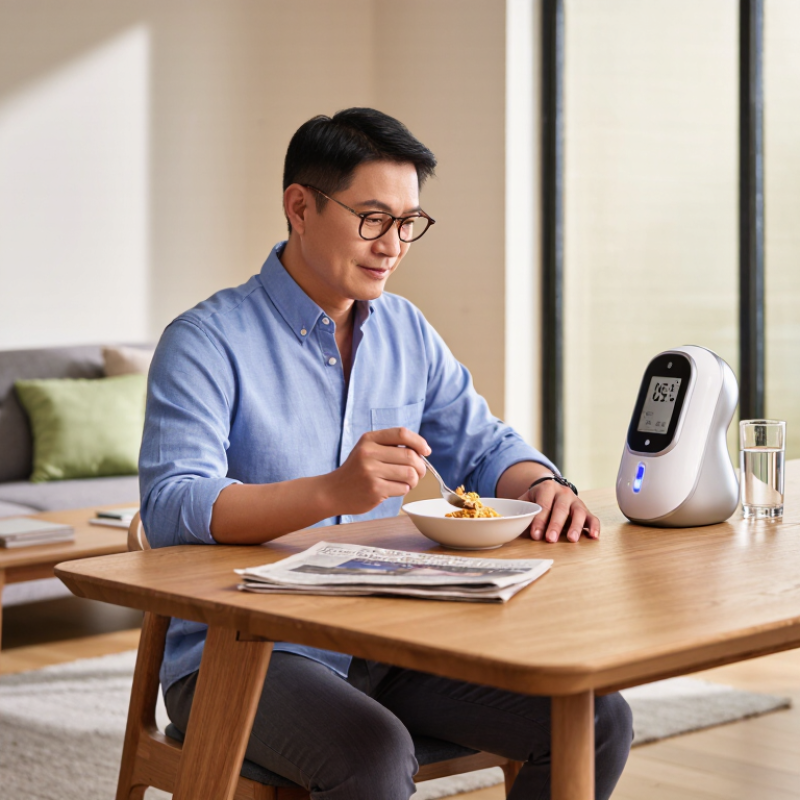
What Is Essential Tremor and How Does It Affect Daily Life?
Why Choose an Essential Tremor Therapeutic Device?
Essential tremor is a neurological movement disorder that causes rhythmic shaking. It most often affects the hands during movement or while holding a position. Some people also experience tremors in the head, voice, or arms. Symptoms may worsen with stress, fatigue, caffeine, or physical effort. Some days are manageable. Others are not.
Daily tasks can become unexpectedly difficult. A spoon may tap against a bowl. Handwriting can look uneven after only a few words. Buttoning a shirt, using a phone, or carrying a full cup may require extra concentration. These changes can affect work, hobbies, and social confidence. People may avoid eating in public because they fear unwanted attention. That emotional burden deserves attention too.
A therapeutic device may offer support for selected users, depending on tremor pattern, health history, and treatment goals. Some devices provide non-invasive stimulation, while others help stabilize or guide a moving limb. They are not universal solutions, and they do not cure essential tremor. A neurologist or movement-disorder specialist should assess whether a device is appropriate. Fit, comfort, battery use, training, and cost can influence real-world success. It is easy to focus on technology and forget the person using it. A device that works in a clinic may feel less practical during a busy meal or a long workday. Careful trial, honest feedback, and regular clinical review matter.
Why Choose an Essential Tremor Therapeutic Device?
What Is Essential Tremor and How Does It Affect Daily Life?
Essential tremor is a neurological movement disorder that most commonly causes rhythmic shaking in the hands and arms, although the head or voice may also be affected. The estimated prevalence increases substantially with age, as shown below.
Tremor can make everyday activities such as writing, eating with utensils, drinking from a cup, dressing, and using electronic devices more difficult. Therapeutic devices may be considered as a non-drug support option, but suitability depends on symptom severity, affected body areas, medical history, and advice from a qualified healthcare professional.
Data shown are approximate pooled age-specific prevalence estimates reported in epidemiological reviews. They describe how common essential tremor is, not the severity of symptoms or the effectiveness of any treatment.
How Do Therapeutic Devices Help Control Essential Tremor?
Therapeutic devices help control essential tremor by reducing its effect on daily movements. Some deliver gentle electrical stimulation near the wrist or forearm. This stimulation may influence sensory nerve signals and interrupt tremor-related muscle activity. Other devices steady the hand during specific tasks, such as drinking, writing, or using a spoon.
The benefit is usually functional, not curative. A person may notice a steadier cup or clearer signature for a limited period. Settings often require careful adjustment by a qualified clinician. Amplitude, placement, session length, and skin comfort can all affect performance. Small details matter. A loose strap may reduce contact, while excessive stimulation may cause tingling or fatigue. Clinical evidence is encouraging for some approaches, but results vary between individuals.
A sensible assessment includes tremor severity, medication use, skin sensitivity, and everyday goals. Video recordings can help compare movement before and after treatment. Users should also track discomfort, battery routines, and whether benefits continue outside the clinic. The fit is not always perfect. Some people gain useful control, while others notice little change. That uncertainty deserves honest discussion with a neurologist or occupational therapist before regular use. A device should support informed care, not replace diagnosis, monitoring, or rehabilitation.
Which Types of Essential Tremor Devices Are Available?
People with essential tremor can choose from several device categories, depending on tremor severity, body area, health history, and daily goals. Wearable stimulation devices deliver mild electrical pulses through the wrist or forearm. They may reduce hand shaking during tasks such as holding a spoon, signing a form, or drinking water. Some devices support the hand mechanically, using a brace or controlled resistance to steady movement.
Implanted deep brain stimulation systems use electrodes placed in specific brain regions. A small generator sends adjustable signals to influence tremor circuits. This option can provide long-term control, but it requires surgery, programming visits, and careful medical assessment. Focused ultrasound systems create a small, targeted lesion without an implanted device. They may help one side of the body, although effects can be permanent and side effects require serious discussion.
Assistive devices also include weighted utensils, stabilizing pens, and electronic tremor-canceling handles. These tools do not treat the neurological cause. They can still make breakfast, writing, or buttoning a shirt less frustrating. A neurologist or movement-disorder specialist should confirm the diagnosis before device selection. Essential tremor can resemble medication effects or other conditions. I once assumed the most advanced option would always be best, but that is not reliable. Evidence differs between devices, and comfort, cost, maintenance, and access to follow-up care matter. A short clinic trial may reveal more than a polished advertisement.
| Device Type | How It Works | Typical Target | Potential Benefits | Key Limitations and Considerations | Typical Clinical Role | General Evidence or Status |
|---|---|---|---|---|---|---|
| Wearable peripheral nerve stimulation device | Applies mild electrical stimulation through electrodes placed on or near nerves in the forearm or wrist. The stimulation is intended to modulate nerve signals associated with hand tremor. | Hand and wrist tremor, especially during activities such as writing, eating, drinking, or using tools. | Non-invasive; can be used for selected daily activities; does not require brain surgery; effects may occur during or shortly after a treatment session. | Response varies between individuals; electrodes must be positioned correctly; skin irritation or temporary discomfort may occur; it may not adequately control head, voice, or leg tremor. | Non-invasive option for people seeking activity-based or short-term tremor reduction. | Clinically studied; availability depends on jurisdiction and indication |
| Transcutaneous electrical nerve stimulation device | Delivers low-level electrical pulses through surface electrodes to stimulate sensory nerves and may influence abnormal motor activity. | Primarily limb tremor, with the strongest practical relevance generally involving the hands or forearms. | Portable and non-invasive; treatment intensity can often be adjusted; may be used alongside rehabilitation or occupational strategies. | Evidence and treatment protocols are not uniform; results may be temporary; incorrect placement or excessive intensity can cause discomfort or skin reactions. | Adjunctive treatment when a clinician considers electrical stimulation appropriate. | Investigational or adjunctive, depending on the device and region |
| Deep brain stimulation system | Implanted electrodes deliver controlled electrical stimulation to brain circuits involved in tremor, commonly targeting the ventral intermediate nucleus of the thalamus or related pathways. | Disabling medication-resistant tremor affecting the hands; selected systems may address other tremor patterns. | Can provide substantial and adjustable tremor control; stimulation parameters can be changed after implantation; treatment is reversible in the sense that stimulation can be turned off or revised. | Requires neurosurgery and long-term follow-up; possible risks include infection, bleeding, hardware complications, speech or balance problems, and stimulation-related side effects; battery management may be required. | Advanced therapy for carefully selected adults whose tremor significantly affects function and has not responded adequately to medication. | Established surgical therapy for selected patients |
| Focused ultrasound lesioning system | Uses focused sound waves to create a precisely located thermal lesion in a tremor-related brain structure without a surgical incision. | Usually medication-resistant hand tremor, often treated on one side of the body at a time. | Incisionless procedure; no implanted pulse generator or chest hardware; tremor improvement can occur soon after treatment. | Creates a permanent lesion; may cause temporary or persistent numbness, imbalance, gait difficulty, speech changes, or other neurological effects; not suitable for everyone and may be limited by skull characteristics. | Procedure-based option for selected patients who meet imaging, anatomical, and clinical criteria. | Established for selected indications; eligibility varies |
| Mechanical tremor-canceling orthosis | Uses passive damping, controlled resistance, or powered movement to reduce unwanted wrist or hand motion while allowing intentional movement. | Task-related hand and wrist tremor. | May improve stability during specific activities; non-invasive; can provide physical support without medication or brain surgery. | May be bulky or heavy; comfort, battery life, range of motion, and fit are important; effectiveness can differ by tremor frequency and task. | Functional assistance during eating, writing, grooming, or other targeted activities. | Assistive technology; performance varies by design |
| Weighted wrist device or weighted utensil | Adds carefully distributed mass or changes the handle design to reduce the visible effect of hand movement during a task. | Mild to moderate hand tremor during eating, drinking, writing, or grooming. | Simple, relatively inexpensive, easy to use, and does not require electricity or a procedure. | Weight can increase fatigue; it may not reduce the underlying tremor; excessive loading can make movement more difficult, particularly for people with weakness or joint problems. | Practical daily-living aid and occupational-therapy strategy. | Supportive aid rather than disease-directed treatment |
| Stabilizing handle, cup, or writing aid | Uses enlarged handles, non-slip materials, built-in supports, or specialized shapes to improve grip and reduce the consequences of tremor. | Functional hand tremor affecting self-care, meals, handwriting, or device use. | Can improve independence and safety; easy to combine with other treatments; available in task-specific designs. | Helps compensate for tremor rather than suppressing it; benefits are task-specific; unsuitable designs may increase grip force or fatigue. | Everyday compensation strategy recommended through occupational-therapy assessment. | Supportive rehabilitation equipment |
| Biofeedback or sensor-based training device | Uses motion sensors or physiological signals to provide visual, auditory, or tactile feedback intended to help users recognize and modify movement patterns. | Selected individuals with task-related tremor who can participate in repeated training. | Non-invasive; may promote awareness and motor-learning strategies; can be integrated into home-based rehabilitation programs. | Requires regular practice and user engagement; benefits may not generalize to every activity; protocols and evidence remain variable. | Rehabilitation support, often combined with occupational or physical therapy. | Emerging or adjunctive approach |
Who May Benefit From a Therapeutic Device?
Adults with clinician-confirmed essential tremor may consider a therapeutic device when shaking disrupts eating, writing, drinking, or work. A fork trembling toward the plate can turn an ordinary meal into a frustrating task. The same applies to signing a form or carrying a full cup. Some people explore a device when medicines provide limited relief or cause unwanted effects. Others prefer a non-drug option alongside an established treatment plan. Suitability depends on the tremor pattern, health history, dexterity, and daily goals.
A qualified clinician should assess the diagnosis before device use. Tremor can have different causes, and treating the wrong cause may delay appropriate care. A therapeutic device may help some users with specific movements, yet results can vary by session and task. It may require correct placement, charging, practice, and realistic expectations. It is not a cure. It may also be unsuitable for people with certain implanted electronic devices, skin problems, reduced sensation, or difficulty operating controls. A caregiver can help with setup and observation when needed. Keep a simple log of the task, tremor severity, duration, and discomfort. That record can make follow-up discussions more useful. The fit is not always perfect. Even a small improvement, such as steadier handwriting for five minutes, may matter, but disappointment is possible when expectations run ahead of evidence.
How Should Device Benefits, Risks, and Alternatives Be Compared?
Why Choose an Essential Tremor Therapeutic Device?
How Should Device Benefits, Risks, and Alternatives Be Compared?
Choosing a therapeutic device should begin with daily function, not marketing language. Can it steady a cup, support handwriting, or reduce tremor during meals? A 2018 American Academy of Neurology guideline recognizes deep brain stimulation as an effective option for selected patients. However, surgery involves infection, bleeding, speech changes, balance problems, and device maintenance. The risks are real. They should be discussed in a movement-disorders clinic, not judged from advertisements.
Noninvasive stimulation may offer convenience and reversibility. Evidence remains smaller and less mature than surgical evidence. A randomized trial in the New England Journal of Medicine reported a 47.2% tremor improvement after focused ultrasound, compared with 0.1% after sham treatment. Yet 36% of treated participants experienced gait disturbance, and 38% reported numbness or tingling. These figures make comparison more honest. Medication, occupational therapy, weighted utensils, and adaptive writing tools remain reasonable alternatives. They may cost less and avoid procedural risks, but their benefits can be modest or temporary. The comparison is not perfectly clean. A device that works during a clinic test may fail during fatigue, stress, or crowded meals. Patients should request independent evidence, expected durability, total costs, training needs, and follow-up plans. I would not treat one study as a promise. Personal goals and medical history still matter.
FAQS
Essential tremor is a neurological movement disorder causing rhythmic shaking. It often affects the hands during movement or while holding a position. Tremors may also affect the head, voice, or arms. Symptoms can worsen with stress, fatigue, caffeine, or physical effort. Some days feel manageable. Others do not.
Simple tasks may require extra concentration. A spoon can tap against a bowl. Handwriting may become uneven after several words. Buttoning a shirt, using a phone, or carrying a full cup can feel difficult. Some people avoid eating in public because they fear unwanted attention. The emotional burden matters too.
No. These devices do not cure the neurological condition. Their main purpose is functional support. A person may hold a cup more steadily or write more clearly for a limited time. Results vary between users. That uncertainty deserves honest discussion.
Some wearable devices provide mild electrical stimulation near the wrist or forearm. This may influence sensory nerve signals and tremor-related muscle activity. Other devices stabilize or guide the hand during specific tasks. A loose strap may reduce contact. Excessive stimulation may cause tingling or fatigue.
Options include wearable stimulation devices, mechanical supports, weighted utensils, stabilizing pens, and electronic handles. Implanted systems require surgery and programming visits. Focused ultrasound may affect one side of the body and can create permanent changes. Each option requires careful medical assessment.
A neurologist or movement-disorder specialist should review the diagnosis, tremor pattern, health history, and treatment goals. Skin sensitivity, medication use, comfort, battery routines, and cost also matter. A short clinic trial may reveal more than polished advertising. The most advanced option is not always the best fit.
Track tremor changes during meals, writing, phone use, and other real tasks. Note discomfort, tingling, fatigue, skin irritation, battery demands, and how long benefits last. Video recordings can help compare movement before and after use. Clinic results may not match a busy workday.
No. Some people gain useful control, while others notice little change. Suitability depends on tremor severity, affected body areas, health history, and personal goals. Regular clinical review remains important. A device should support informed care, not replace diagnosis or rehabilitation. The fit may be imperfect.
Conclusion
Essential tremor is a neurological condition that can cause involuntary shaking, most often in the hands, arms, head, or voice. These symptoms may make everyday activities such as writing, eating, drinking, dressing, or using electronic devices more difficult and frustrating. An Essential Tremor Therapeutic Device may help manage these challenges by reducing tremor intensity through methods such as supportive stabilization, controlled movement, or gentle stimulation, depending on the device design.
Available options may include wearable supports, hand-held therapeutic tools, and noninvasive stimulation devices. They may be useful for people whose tremors interfere with daily tasks or who want an additional option alongside professional care. However, benefits can vary, and users should consider comfort, ease of use, cost, safety, possible side effects, and maintenance requirements. Comparing device-based support with medication, therapy, lifestyle adjustments, or other medical alternatives can help individuals make an informed decision with guidance from a qualified healthcare professional.

Blog Tags: