
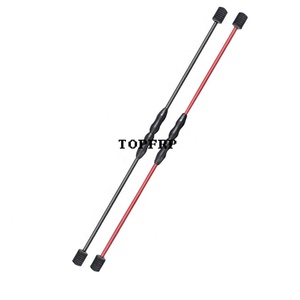
Neuromuscular Kinetic
Explore our CE-certified and FDA-compliant bioelectronic hardware portfolio. Engineeered for clinical precision, neural interface testing, peripheral sensory modulation, and advanced seismic kinetic analytics.
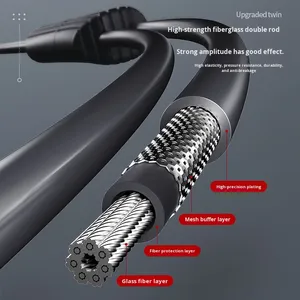
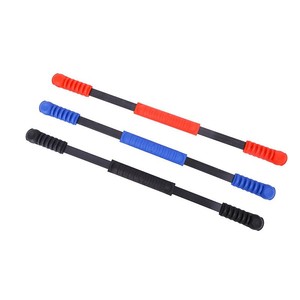
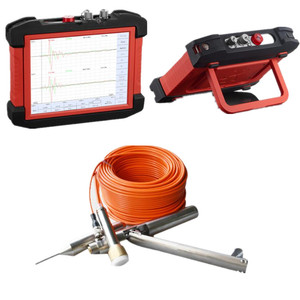
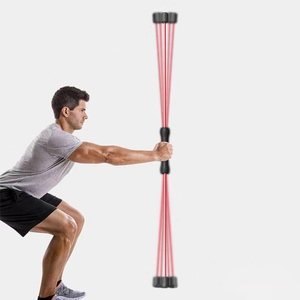
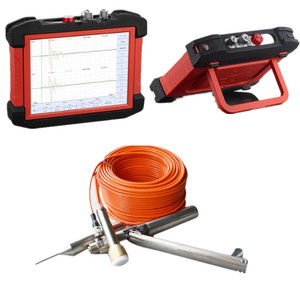
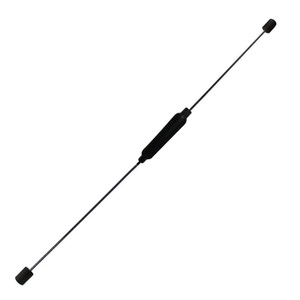
As a world-leading CE certified neural electronics manufacturer and OEM/ODM factory, our research and manufacturing architecture translates complex neurological algorithms into reliable, noninvasive bioelectronic hardware.
Our proprietary hardware decodes peripheral neuromuscular signals through surface micro-arrays, transmitting continuous bi-directional telemetry to adjust modulation parameters dynamically.
Operating under standardized medical-device quality management systems, our state-of-the-art cleanroom facilities guarantee strict electromagnetic compatibility (EMC) and bio-safety compliance.
Every device interface integrates securely with our neural AI processing framework, enabling over-the-air algorithm tuning, clinical telemetry export, and individual dynamic calibration.
The global bioelectronic medical device landscape is undergoing a paradigm shift. Moving away from traditional pharmacological interventions that often carry systemic side effects, modern medicine is turning toward precise, noninvasive bioelectronic neuromodulation. At the core of this transition are advanced CE certified neural electronics—specialized hardware components capable of interpreting, filtering, and modulating neural impulse pathways in real time.
Key Takeaway: Bioelectronic devices represent a paradigm shift from fixed chemical dosing to real-time, adaptive signal modulation calibrated to individual neural signatures.
Historically, neural interface technologies were split between invasive surgical implants (such as Deep Brain Stimulation hardware) and passive consumer health wearables. Today, pioneering bioelectronic manufacturers bridges this divide through high-fidelity nerve-computer interfaces (NCI). By placing sophisticated surface electrode sensors over peripheral nerves—such as the median and radial nerves at the wrist—noninvasive devices can now record local field potentials and electromyographic (EMG) signals with microvolt sensitivity.
Developing commercial-grade neural electronics requires a converged multi-disciplinary engineering framework:
As health systems, medical equipment brands, and movement disorder clinics increase procurement of bioelectronic wearables, contract manufacturing standards are shifting dramatically. Enterprise procurement buyers must account for shifting regulatory landscapes, component supply chain resiliency, and cloud-hardware integration capabilities.
| Procurement Vector | Traditional Medical Wearables | Next-Gen Neural AI Electronics (2025+) |
|---|---|---|
| Signal Processing | Static thresholds & pre-set pulse intervals | Adaptive Closed-Loop AI; continuous real-time neural decoding |
| Regulatory Standards | General CE / Consumer Wellness directives | MDR CE Certification, ISO 13485, Cyber-security compliance |
| Material Biocompatibility | Standard silicone and basic plastics | Medical-grade hyper-allergenic polymers, breathable conductive textiles |
| Data Connectivity | Offline storage or basic Bluetooth pairing | Encrypted Cloud Telemetry, bidirectional OTA neural model updates |
When selecting an OEM/ODM manufacturing partner for neural electronics, hospital procurement boards and medical device brands prioritize three core pillars:
1. Regulatory Traceability & Design Controls: Medical electronics manufacturing demands complete component traceability. From ISO-cleanroom surface-mount technology (SMT) assembly to automated optical inspections (AOI), every circuit board must pass strict regulatory audits before CE or FDA submission.
2. Micro-Miniaturization & Power Efficiency: Patients require discreet, wearable form factors that fit seamlessly into daily life. Factory production lines must integrate advanced micro-system-on-chip (SoC) architectures and high-density flexible PCBs (FPC) to maximize battery longevity while maintaining an ergonomic profile.
3. Closed-Loop Software Integration: Modern hardware cannot exist in isolation. OEM buyers require integrated SDKs and API endpoints that connect hardware signal output directly into cloud-hosted neural AI inference models.
Looking toward the 2025–2030 horizon, the bioelectronics industry is experiencing unprecedented breakthroughs driven by machine learning model optimization, material science advancements, and sub-surface sensing arrays. Key industry development vectors include:
The progression from unidirectional stimulation devices to fully bidirectional interfaces represents the single largest leap in neural technology. Systems such as the Fasikl-X architecture establish two-way communication channels with peripheral nerve trunks. The device not only sends therapeutic signals to suppress pathologic neural activity (such as essential tremor or parkinsonian kinetic spikes) but continuously records the nervous system's immediate reaction to dynamically refine the impulse parameters.
Sensory micro-tremor monitoring is no longer restricted to clinical laboratory environments. By scaling down shear-wave seismic survey technology into micro-electromechanical systems (MEMS), modern neural hardware can measure sub-micron tremor movements. This high-density kinetic recording provides unprecedented diagnostic visibility into geotechnical micro-tremors as well as human neuromuscular micro-movements.
Essential tremor affects millions of adults worldwide, limiting their ability to perform daily tasks such as writing, drinking water, or using touchscreen tools. Noninvasive neural electronics offer a clinically validated alternative to surgical thalamotomy or pharmaceutical regimens. Through continuous adaptive stimulation delivered via wearable wristbands, patients regain fine motor control, restoring quality of life without surgical recovery timelines.
Get authoritative answers regarding our CE certified manufacturing capabilities, OEM/ODM customization, compliance, and international supply chain protocols.
CE Certification guarantees that our neural electronic devices meet the essential health, safety, electromagnetic compatibility (EMC), and environmental protection requirements established under European Union Medical Device Regulations (MDR). Every unit shipped from our factory undergoes rigorous compliance testing to ensure safe human interaction and noninvasive neural modulation.
Yes. We provide end-to-end OEM/ODM contract manufacturing services. Our engineering team collaborates with client brands to integrate custom neural signal processing algorithms, bespoke firmware, specialized electrode geometry, and custom industrial designs while maintaining strict ISO 13485 quality control protocols.
Consumer vibration devices utilize static, uncalibrated mechanical oscillation. In contrast, our medical-grade bioelectronic devices utilize closed-loop micro-sensors that continuously read electromyographic and kinetic neural signals. The embedded logic dynamic adjusts peripheral nerve stimulation parameters in real-time, delivering targeted physiological therapeutic action rather than simple mechanical vibration.
Standard production lead times range between 4 to 8 weeks depending on customization requirements and component selection. Standard factory MOQs start at 100 units for standardized CE catalog items, while custom white-label OEM projects are evaluated based on tooling and engineering milestones. Contact our sourcing team for precise quotes.
Yes. Qualified medical distributors, healthcare procurement officers, and engineering partners can instantly request full technical specification catalogs, CE declaration documents, ISO compliance records, and published clinical trial data using our catalog request system.
Accelerate your product launch with CE certified, clinically verified neural interface technology and scalable OEM manufacturing infrastructure.