
Featured CE Certified Tremor Mitigation Systems
Direct from OEM/ODM Manufacturing Lines: High-Precision Neuromodulation, Physical Rehabilitation, and Micro-Seismic Monitoring Solutions
1. Executive Whitepaper: The Paradigm Shift in Tremor Mitigation Technology
Pathological hand tremors, notably those resulting from Essential Tremor (ET) and early-stage Parkinsonian syndromes, affect over 1.5% of the global population, escalating to nearly 5% among adults aged 65 and older. Historically, therapeutic interventions were confined to systemic pharmacology (such as beta-blockers and anticonvulsants, often limited by cognitive and cardiovascular side effects) or invasive neurosurgical procedures (such as Deep Brain Stimulation - DBS). Today, the landscape of tremor management is undergoing a paradigm shift driven by advanced bioelectronic medicine, non-invasive neuromodulation, and high-frequency dynamic mechanical resonance engineering.
For international healthcare procurement officers, distributors, and OEM strategic buyers, selecting a certified manufacturing partner requires a deep technical understanding of how different tremor relief mechanisms function. CE Certification under the European Union Medical Device Regulation (EU MDR 2017/745) and compliance with ISO 13485 standards represent mandatory benchmarks for quality assurance, patient safety, and bio-signal fidelity. As an established global manufacturer, our technical portfolio bridges cutting-edge bioelectronic closed-loop wearables and precision biomechanical rehabilitation equipment.
Core Technical Takeaway for Sourcing Directors: CE MDR Class IIa/IIb cleared tremor relief devices require validated clinical evidence, bio-compatibility testing (ISO 10993), and stringent Electromagnetic Compatibility (IEC 60601-1-2) protocols. Purchasing certified hardware eliminates regulatory friction and guarantees sub-millisecond signal accuracy.
Neuro-AI Signal Decoding
Closed-loop real-time extraction of afferent neural signals through multi-channel skin surface sensors.
Non-Invasive Peripheral Stimulation
Targeted transcutaneous nerve excitation disrupting pathological central oscillatory networks without surgical risk.
Harmonic Mechanical Suppression
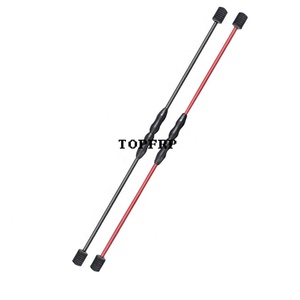
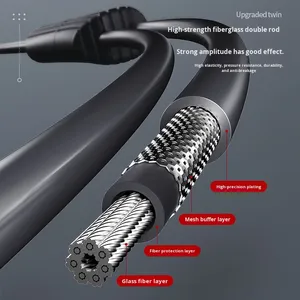
Engineered elastic PP vibrating rods delivering dynamic counter-phase oscillation to suppress muscle motor spasms.
2. Technical Classification of Tremor Relief Equipment
In modern industrial sourcing, "tremor relief" spans across three distinct technical domains: Medical-Grade Neuromodulation, Physical Rehabilitation Dynamic Resonators, and Industrial Micro-Seismic Monitoring Devices. Understanding these categories ensures exact procurement alignment with your target institutional or retail market.
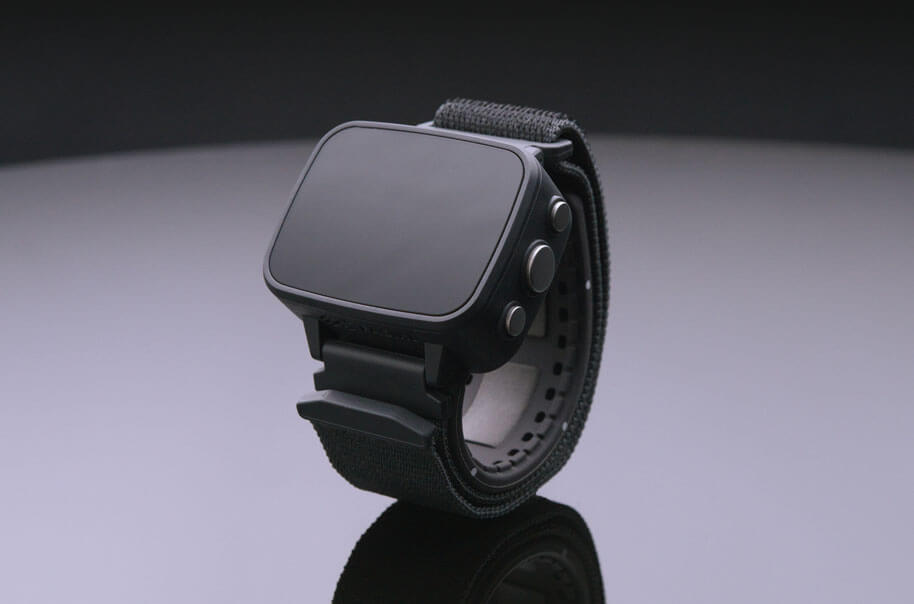
A. Non-Invasive Bioelectronic Neuromodulation Devices (e.g., Felix NeuroAI™ Wristband Class)
Bioelectronic therapeutics utilize peripheral nerve stimulation (PNS) applied transcutaneously to the median and radial nerves at the wrist. By delivering precise electrical pulses timed to the patient's real-time neural firing patterns, the device sends afferent signals up the spinal cord to phase-reset abnormal neuronal oscillations in the ventral intermediate (Vim) nucleus of the thalamus. Key OEM specifications include high-density multi-channel surface EMG integration, cloud-connected machine learning algorithm updates, and adaptive closed-loop intensity modulation.
B. Dynamic Elastic Tremor Bars & Biomechanical Resonant Rods
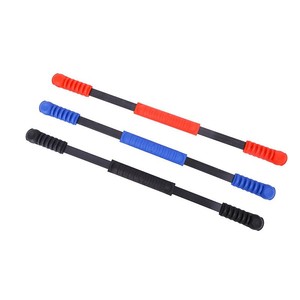
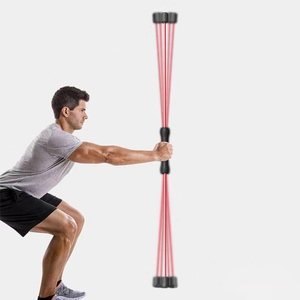
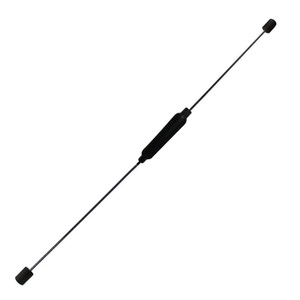
Used widely in clinical physical therapy, neuromuscular rehabilitation, and core athletic conditioning, high-frequency dynamic vibrating rods (such as Felix PP Elastic Tremor Bars) operate on the principle of biomechanical resonance. When manually oscillated, the bar generates dynamic counter-forces (4 to 12 Hz) that force deep postural muscles and motor units to rapidly contract and relax. This neuromuscular training recalibrates proprioceptive feedback, reduces pathological muscle involuntary firing, and strengthens stabilization muscle groups.
C. Micro-Tremor Seismographic & Geotechnical Surveying Instruments
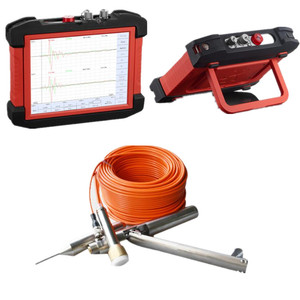
In geotechnical and structural engineering, micro-tremor analysis measures ambient sub-surface soil vibration and Rayleigh shear waves. High-sensitivity multi-channel micro-tremor seismographs provide non-destructive site response evaluation, liquefaction assessment, and structural integrity monitoring. Incorporating piezoelectric sensors and low-noise preamplifiers, these instruments deliver critical cycle data for civil infrastructure projects.
System Specification & Sourcing Matrix
| Equipment Category | Operating Principle | Target Application | CE Certification Class | Typical OEM Lead Time |
|---|---|---|---|---|
| Bioelectronic Wearable | Closed-Loop Peripheral Nerve Stimulation (PNS) | Essential Tremor, Clinical Neuromodulation | CE MDR Class IIa / FDA Cleared | 4 - 6 Weeks |
| Dynamic Resonant Bar | Biomechanical Harmonic Oscillations (4-12Hz) | Physical Rehab, Core Motor Conditioning | CE General Product Safety (GPSR) | 2 - 3 Weeks |
| Geotechnical Seismograph | Shear Wave Micro-Tremor Measurement | Civil Engineering, Soil Analysis | CE EMC / LVD Directive | 3 - 5 Weeks |
3. Global Sourcing & Technology Trends (2025–2030)
As global buyers review mid-to-long-term procurement strategies, four primary technological and regulatory macro-trends are reshaping the tremor mitigation equipment landscape:
1. Integration of Edge AI & Cloud Diagnostics
Traditional fixed-dose stimulation wearables are rapidly becoming obsolete. Next-generation therapeutics incorporate embedded MCU units capable of running lightweight neural network inference at the edge. The system reads peripheral neural impulses, calculates tremor amplitude and dominant frequency, and adjusts modulation in sub-5 millisecond windows. Sourcing directors must prioritize vendors offering cloud-API architecture for remote firmware updates and anonymized patient outcome tracking.
2. Transition from Invasive DBS to Non-Invasive Bioelectronics
Invasive Deep Brain Stimulation carries surgical risks, infection possibilities, and replacement costs exceeding $50,000 per patient. Non-invasive wrist-worn therapeutics provide comparable kinetic tremor score reductions (50% to 70% functional improvement) with zero surgical risk. Third-party payers and national healthcare systems in Europe and North America are expanding reimbursement pathways for non-invasive bioelectronic wearables.
3. Material Science Innovations in Dynamic Resonant Equipment
In biomechanical dynamic fitness and rehabilitation bars, traditional fiberglass is being replaced by engineered high-elasticity Polypropylene (PP) and thermoplastic elastomers (TPE). These advanced polymers resist fatigue fractures under high-frequency cyclic loading (>10,000,000 flex cycles), ensure eco-friendly recyclability, and provide anti-slip tactile grip zones designed for geriatric patient safety.
4. Stringent Verification under EU MDR 2017/745
The transition from MDD to MDR in Europe has elevated regulatory standards. Manufacturers must provide continuous post-market clinical follow-up (PMCF) data, UDI (Unique Device Identification) traceability, and rigorous technical documentation. Sourcing from a factory with pre-established MDR compliance documentation dramatically shortens time-to-market for European medical equipment distributors.
4. Enterprise Capabilities & OEM/ODM Manufacturing Excellence
Built upon over two decades of foundational research and development in neural engineering, biosignal processing, and dynamic vibration physics, our enterprise manufacturing infrastructure is engineered for global supply partners.
ISO 13485 Cleanroom Facilities
Class 10,000 cleanrooms for medical sensor assembly, electrode printing, and micro-electronic board packaging.
Rigorous Bio-Compatibility
All skin-contact materials undergo exhaustive ISO 10993 cytotoxicity, sensitization, and intracutaneous reactivity testing.
Closed-Loop AI R&D
Dedicated team of bio-engineers and machine learning scientists specializing in peripheral nerve-computer interface algorithms.
Whether you require white-label customization of consumer elastic tremor bars, OEM development of prescription neuromodulation hardware, or tailored geotechnical monitoring arrays, our turnkey production lifecycle guarantees sub-component traceability, rapid prototyping (under 14 days), and international shipping compliance.
5. Comprehensive B2B Procurement FAQ
Direct responses to key technical, regulatory, and commercial inquiries raised by healthcare buyers and procurement managers.
Request Product Specifications & Bulk OEM Pricing
Connect with our engineering and export team to receive comprehensive technical data sheets, CE conformity declarations, clinical study summaries, and tiered wholesale price lists.