
Precision Bioelectronic & Neuromodulation Assemblies
Contract manufactured with medical-grade elastomers, micro-surface EMG sensing arrays, and anti-tremor oscillatory calibration units.
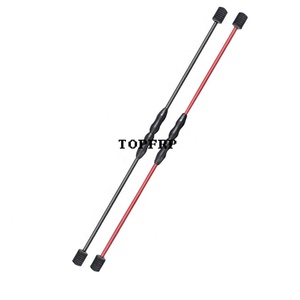
Detachable Bio-Oscillatory Tremor Training Bar
High-frequency resonance training stick with precision-calibrated tremor damping, customizable silicone grips, and OEM weight configurations.
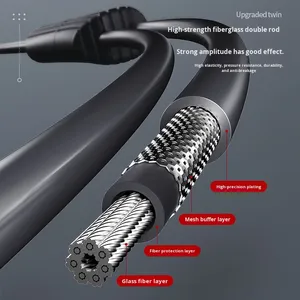
Neuromuscular Elastic Vibrating Exercise Rod
Medical-grade PP elastic core for dynamic resistance, tremor stabilization therapy, and upper-limb neuro-rehabilitation training.
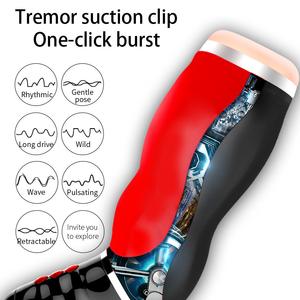
Targeted Micro-Vibration Bio-Stimulation Unit
Compact thermal-assisted micro-vibration sensory feedback module engineered for localized neuromuscular stimulation and reflex testing.
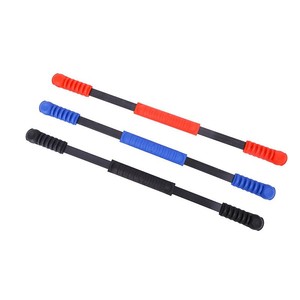
Flexi-Swing Bio-Damping Oscillatory Flex Bar
Biomechanical oscillation bar engineered for essential tremor suppression conditioning and deep muscular tone restoration.
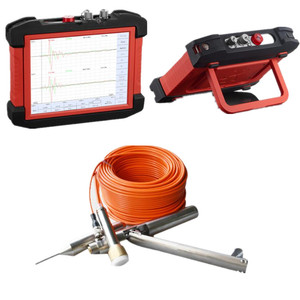
Micro-Tremor Precision Acquisition System
High-sensitivity micro-vibration telemetry device for clinical motion tracking, sub-Hz biosignal measurement, and analytical wave profiling.
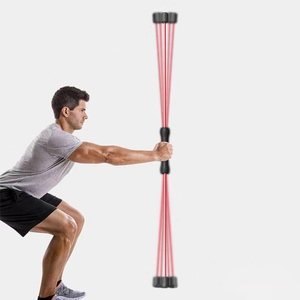
High-Frequency Core Neuromuscular Vibrating Rod
Durable rubberized multi-frequency rod designed for core neuromuscular engagement, proprioceptive feedback, and clinical motor therapy.
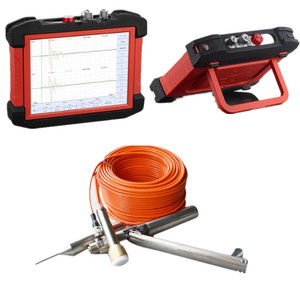
Micro-Tremor Velocity Diagnostic Analyzer
OEM diagnostic instrument designed for high-resolution frequency analysis, waveform profiling, and mechanical micro-tremor verification.
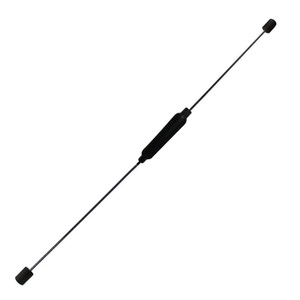
Dismountable Kinetic Tremor Conditioning Stick
Modular elastic training rod optimized for rapid mechanical assembly, customizable dampening resistance, and targeted muscle activation.
Engineering the Future of Bioelectronic Therapeutics
As a premier OEM/ODM manufacturer specializing in bioelectronic medical devices, our production ecosystem bridges advanced neural engineering with volume scalable CDMO manufacturing. Rooted in over two decades of R&D innovation in neural signal processing, closed-loop neuromodulation, and motion-disorder suppression, we empower healthcare brands and MedTech innovators to bring FDA-cleared and CE-marked devices to market seamlessly.
Unlike standard contract electronics suppliers, our facility integrates cleanroom micro-assembly, bio-compatible elastomer overmolding, multi-channel surface EMG sensor fabrication, and secure firmware flashing under a unified ISO 13485 quality management system.
- Closed-Loop Neural-AI Integration: Manufacturing capabilities for real-time sensing, cloud-synchronized decoding, and targeted micro-current modulation.
- ISO 10993 Biocompatibility Compliance: Full traceability and selection of medical-grade silicone, thermoplastic elastomers, and non-allergenic electrode contacts.
- Turnkey Regulatory Support: Extensive technical file preparation supporting FDA 510(k), De Novo, and EU MDR Class IIa/IIb medical device submissions.
- Zero-Incision, Wearable Ergonomics: Specialized tooling for sleek, wrist-worn, and flex-bar form factors designed for high daily compliance.
Full-Stack CDMO Capability Matrix
Our vertically integrated OEM pipeline handles every phase from initial Design for Manufacturability (DFM) to automated post-assembly testing:
| Phase | In-House OEM Engineering |
|---|---|
| PCB & Electronics | Ultra-low noise biosignal amplifiers, micro-amp stimulation circuitry, BLE/Wi-Fi telemetry. |
| Tooling & Molding | Precision injection molding, soft-touch TPU/Silicone encapsulation, IP67/IP68 waterproofing. |
| Firmware & AI | Embedded signal-filtering algorithms, real-time wave synthesis, cloud API security protocols. |
| Quality Assurance | 100% individual pulse calibration, automated optical inspection (AOI), aging & environmental testing. |
Bioelectronic Product Development Trends (2025–2035)
A comprehensive analysis of technological shifts shaping non-invasive neuromodulation and wearable therapeutic manufacturing.
1. Shift from Open-Loop to Closed-Loop Neuromodulation
First-generation bioelectronic devices operated on static, pre-programmed stimulation profiles—delivering constant electrical pulses regardless of patient state. Modern clinical evidence confirms that open-loop delivery leads to rapid neural adaptation and diminished therapeutic efficacy over time.
The industry trajectory is overwhelmingly shifting toward closed-loop architectures. Modern OEM bioelectronic wristbands and tremor management tools utilize multi-sensor surface EMG and high-rate accelerometry to decode neural tremor fingerprints in real-time (<1 ms processing delay). The device dynamically calculates opposite-phase stimulation bursts, modulating peripheral nerve pathways only when pathological signals are detected. This lowers power consumption by up to 60% while dramatically accelerating therapeutic onset.
2. Convergence of Peripheral Nerve Stimulation (PNS) & AI
Non-invasive Peripheral Nerve Stimulation (PNS) targeting the median and radial nerves at the wrist has emerged as the preferred alternative to invasive Deep Brain Stimulation (DBS) or lifelong pharmacological regimens. The integration of Edge-AI and Cloud-AI pipelines allows wearable bioelectronic devices to continuous update patient-specific neural models.
As patients engage in daily activities—such as drinking, writing, or typing—cloud algorithms process aggregate movement telemetry, refining stimulation thresholds to compensate for fatigue, stress, or diurnal tremor variations. Contract manufacturers must now possess both hardware miniaturization capabilities and secure firmware deployment infrastructure (IEC 62304 certified).
3. Flexible Electronics & Biocompatible Wearable Ergonomics
Patient adherence remains the single greatest bottleneck in commercial medical wearable success. Rigid enclosures and heavy battery packs lead to user abandonment. Modern manufacturing trends emphasize ultra-flexible printed circuit boards (FPCBs), liquid silicone rubber (LSR) liquid-injection molding, and dry-contact conductive polymers.
Current manufacturing standards demand IP68 water immersion resistance so users can wear therapeutic wristbands during handwashing and bathing without interrupting neural signal logging or risking skin maceration under high-humidity conditions.
4. Biomechanical Oscillation & Kinetic Neuromuscular Conditioning
Beyond electrical nerve stimulation, non-pharmacological movement therapy relies heavily on tuned kinetic resonance devices. Flex-bars, vibrating tremor rods, and dynamic oscillatory trainers utilize controlled mass-spring frequencies to recalibrate muscle spindle firing patterns and retrain motor cortex pathways.
OEM factories are increasingly called upon to integrate dynamic dampening adjusters, high-durability internal spring steels, and non-toxic high-frequency vibratory cores into unified rehabilitation hardware suites.
Future Procurement Trends in Bioelectronic Sourcing
Strategic key performance indicators (KPIs) driving vendor selection for medical brand owners, hospital systems, and MedTech distributors.
Strategic Sourcing Evolution: From Component Purchasing to Full CDMO Partnerships
Procurement teams within global medical technology firms are rapidly moving away from fragmented supply chains. Historically, sourcing a bioelectronic therapeutic required managing separate vendors for injection molding, PCB assembly, sensor calibration, firmware flashing, and sterile packaging. This fragmented model introduced severe regulatory friction and intellectual property leakage risks.
Today, over 74% of enterprise MedTech procurement executives prioritize single-source CDMO (Contract Development and Manufacturing Organization) partners capable of delivering fully validated, turnkey finished medical units. Below are the definitive procurement shifts shaping the market:
| Procurement Dimension | Traditional Sourcing Model | Next-Generation Bioelectronic OEM Sourcing |
|---|---|---|
| Quality Governance | Basic ISO 9001 factory accreditation with external auditing. | ISO 13485:2016 + FDA 21 CFR Part 820 integrated quality control with full lot traceability down to individual micro-resistors. |
| Design Validation | Factory manufactures strictly according to customer-provided CAD drawings. | DFM (Design for Manufacturability) & DFX co-engineering, reducing unit assembly costs by optimizing mold gate placements and FPCB bend radii. |
| Supply Chain Resilience | Single-region component sourcing prone to geopolitical disruption. | Dual-sourced critical IC chips, pre-vetted medical-grade resin stockpiles, and standardized BOM risk mitigation matrices. |
| Regulatory Technical File | Buyer bears 100% of the burden for preparing testing protocols and device master records. | Turnkey OEM technical documentation packages including IEC 60601-1 (Electrical Safety), IEC 60601-1-2 (EMC), and ISO 10993 (Biocompatibility) test reports. |
| Firmware & Cloud OTA | Static, pre-burnt microcontrollers with no secure update pathway. | Cryptographically signed Over-The-Air (OTA) firmware updating infrastructure meeting FDA Cybersecurity Guidelines. |
Frequently Asked Questions for B2B Sourcing
Technical, regulatory, and commercial answers for prospective OEM/ODM buyers and clinical device partners.
What is the typical lead time and Minimum Order Quantity (MOQ) for custom OEM bioelectronic devices?
For standard white-label products or minor aesthetic modifications (such as custom branding, color matching, and custom silicone hardness), initial pilot run MOQs start as low as 500 to 1,000 units with lead times of 4 to 6 weeks. For full custom ODM projects requiring new injection molds, bespoke PCB layout, and FDA regulatory pre-validation, tooling typically requires 8 to 12 weeks, followed by mass production ramp-up within 4 weeks of final Golden Sample approval.
How does your factory handle Intellectual Property (IP) protection and NDA compliance?
We enforce rigorous, legally binding Non-Disclosure Agreements (NDAs) governed by international commercial law before exchanging any technical schematics or software repositories. All custom firmware, PCB artwork, dynamic dampening spring calculations, and plastic mold designs remain 100% exclusive property of the client. Furthermore, high-security microcontroller flashing occurs on isolated, air-gapped production lines to eliminate code theft risks.
What regulatory medical device standards are your manufacturing facilities certified under?
Our OEM manufacturing facilities operate strictly under ISO 13485:2016 Quality Management Systems for Medical Devices. Production lines incorporate Class 8 cleanrooms for sensor assembly and bi-compatible molding. We supply complete Device Master Records (DMR) and technical files required to support your FDA 510(k), De Novo, CE MDR Class IIa/IIb, or NMPA registration filings.
Can you accommodate custom pulse-generator firmware and cloud AI algorithm integration?
Yes. Our embedded systems engineering team specializes in ARM Cortex-M and Nordic Semiconductor BLE SoCs. We can implement proprietary neuro-stimulation pulse patterns (biphasic, asymmetrical, micro-current burst modulation) and integrate secure cloud SDKs for real-time telemetry syncing. We provide full firmware validation reports according to IEC 62304 standards.
What biocompatibility and safety testing protocols are conducted on raw materials?
Every material contacting human skin—including elastomeric bands, stainless steel electrodes, and overmolded housings—undergoes exhaustive ISO 10993 testing. This encompasses Cytotoxicity (ISO 10993-5), Sensitization (ISO 10993-10), and Irritation (ISO 10993-23) testing. Certificate of Analysis (CoA) documentation accompanies every incoming raw material lot.
What custom packaging, labeling, and drop-ship fulfillment services do you offer?
We provide comprehensive retail-ready and medical-grade clinical packaging options. Services include custom rigid gift boxes, anti-static sterile pouch sealing, custom user manual printing, unique device identification (UDI) barcoding, and automated direct-to-distributor or direct-to-clinic fulfillment with full serialization tracking.
Ready to Accelerate Your Bioelectronic Medical Device Pipeline?
Partner with a trusted ISO 13485 contract manufacturer backed by 20+ years of neural engineering expertise. Contact our engineering team today to review your specifications, request sample units, or receive a detailed OEM quotation.