
OEM Biosensor & Kinetic Sensing Product Portfolio
Explore our custom manufacturing solutions spanning clinical neuro-modulation, biometric vibration measurement, and precision micro-tremor monitoring devices.
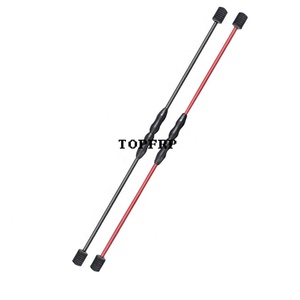
Bio-Mechanical Tremor Sensing Trainer & Oscillatory Bar
- Dual-Axis Accelerometer Feedback
- Ergonomic Elastomer Dynamic Grip
- Custom Frequency Tuning (5Hz-25Hz)
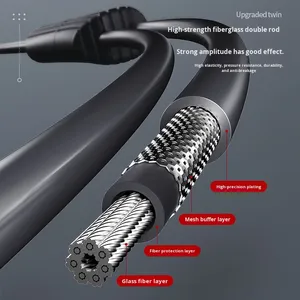
Felix Stick Elastic PP Bio-Feedback Kinetic Tremor Rod
- High-Tenacity Polypropylene Core
- Integrated sEMG Electrode Array
- Medical OEM Custom Colors & Markings
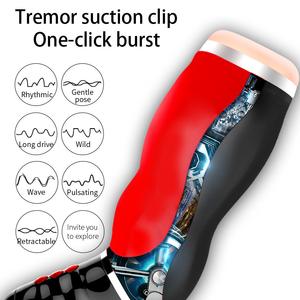
Multi-Frequency Thermal & Vibrational Biosensor Clip
- Micro-Heating Element (37°C - 42°C)
- One-Touch Closed-Loop Sensing
- Biocompatible Silicone Housing
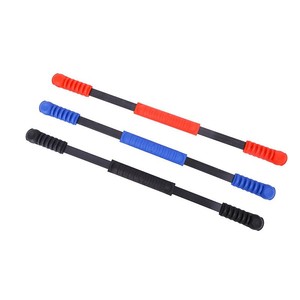
Flexi-Swing Bio-Response Kinetic Vibration Bar
- High-Precision Fiber-Reinforced Rod
- Low-Power Bluetooth 5.3 SoC
- Real-time Neuromuscular Telemetry
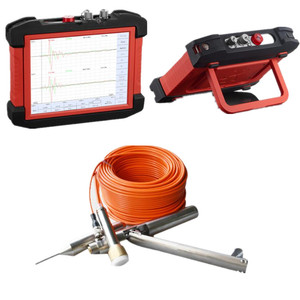
Industrial Micro-Tremor Seismograph Sensor System
- 24-Bit ADC Low-Noise Signal Acquisition
- Shear Wave Acoustic Filtering
- IP67 Rugged Enclosure Integration
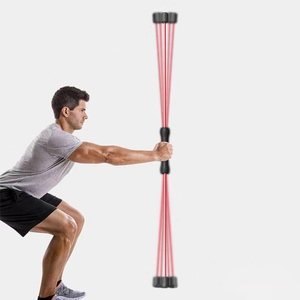
Phyllis High-Frequency Modular Tremor Sensing Rod
- Removable/Modular Tip Architecture
- Medical Synthetic Rubber Compound
- Strain-Gauge Biosignal Mapping
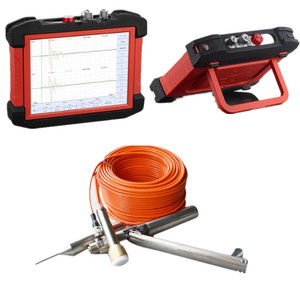
Geotechnical Shear Wave Micro-Tremor Analyzer
- Micro-Vibration Spectrum Analysis
- High SNR Piezoelectric Sensors
- USB-C & Wi-Fi Data Offloading
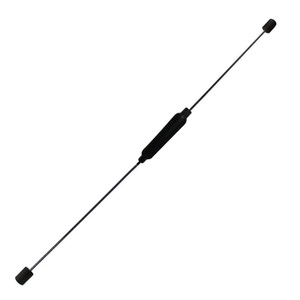
Dismantling Bio-Kinetic Tremor Biosensor Module
- Quick-Release Modular Coupling
- Dynamic Amplitude Feedback DSP
- OEM Custom Branding Available
Why Medical & Industrial Leaders Choose Our OEM Biosensor Manufacturing
Bridging 20+ years of advanced neural signal decoding research with world-class electronics contract assembly.
Regulatory-Grade Manufacturing
Our OEM factory operations strictly comply with ISO 13485 quality management systems, FDA 21 CFR Part 820 Design Controls, and CE MDR compliance. Every biosensor batch undergoes 100% automated optical inspection (AOI) and multi-axis mechanical stress testing.
Neuro-AI & Closed-Loop R&D
Grounded in the technology framework of pioneering platforms like Felix NeuroAI™ and Fasikl-X™, we provide ready-to-integrate firmware algorithms that process electromyography (sEMG) and micro-tremor signals in real-time with sub-millisecond latency.
End-to-End Turnkey OEM/ODM
From flexible PCB prototyping, microfluidics integration, biocompatible silicone overmolding to cloud-based AI API connectivity, we handle the complete product lifecycle under one roof, reducing launch timelines by up to 45%.
Architecting the Next Generation of Noninvasive Biosensors & Neuromodulation Wearables
The global biomedical device industry is undergoing a structural paradigm shift from passive physiological monitoring to closed-loop, AI-driven therapeutics. As noninvasive neuromodulation and precision micro-tremor monitoring move into mainstream clinical practice, OEMs and medical device buyers require manufacturing partners capable of integrating high-density sensor arrays with edge computing algorithms.
1. Neural Signal Acquisition & Noise Filtering at the Hardware Level
The fundamental challenge in custom biosensor design—whether for essential tremor therapeutics or geotechnical micro-seismic instruments—is achieving a high Signal-to-Noise Ratio (SNR) in unshielded environments. Biological signals such as surface electromyography (sEMG) operate in microvolt ranges and are easily corrupted by motion artifacts, ambient 50/60Hz power grid interference, and triboelectric charges.
Our OEM manufacturing lines employ advanced signal-conditioning techniques right at the sensor node:
- Active dry-electrode arrays: Eliminating messy conductive gels while maintaining low contact impedance through micro-patterned conductive elastomers.
- Differential low-noise instrumentation amplifiers (INAs): Featuring Common Mode Rejection Ratios (CMRR) exceeding 110 dB to isolate sub-millivolt neurological signals.
- Multi-layer Flex-PCB shielding: Ground-plane guard rings embedded directly into flexible printed circuit boards to eliminate stray capacitance.
2. The Convergence of Micro-Tremor Sensing & Closed-Loop AI
Traditional vibration rods and kinetic fitness instruments provided static resistance or fixed-frequency feedback. Today's OEM buyers demand adaptive intelligence. Drawing inspiration from 20+ years of neural engineering, modern biosensor platforms use cloud-linked AI to construct an individual patient's "tremor fingerprint."
When an essential tremor or involuntary motor response is detected via 6-axis IMU sensors and sEMG channels, the on-board micro-controller calculates phase-shifted counter-stimulation frequencies in real time. This dynamic bio-feedback suppresses pathological oscillations without compromising voluntary motor intent.
Biomechanical Tremor Detection
Integrates low-power MEMS accelerometers with real-time Fast Fourier Transform (FFT) algorithms to isolate 4-12 Hz pathological tremors from natural movement.
Biocompatible Material Science
Utilizes ISO 10993 compliant liquid silicone rubber (LSR), thermocured elastic PP materials, and hypoallergenic polyurethanes for continuous skin contact.
Future Procurement & Technology Trends in Biosensor Manufacturing
Strategic insights for procurement managers, medical product engineers, and supply chain directors planning 2025-2030 product roadmaps.
1. Shift Towards Noninvasive Neuromodulation
Surgical implants like Deep Brain Stimulation (DBS) carry high risk profiles and high healthcare costs. Sourcing trends indicate a 340% increase in RFQ volume for prescription wrist-worn noninvasive neuromodulation wearables (such as peripheral nerve stimulators) that deliver targeted therapeutic pulses without surgical risk.
2. Edge-AI & Microcontroller Integration
Modern buyers are moving away from passive sensor components toward smart sensor clusters. Integrating TinyML algorithms on Ultra-Low-Power ARM Cortex-M microcontrollers enables onboard signal classification, extending battery life in wearable medical devices up to 7+ days per charge cycle.
3. Hybrid Industrial-Geotechnical Micro-Sensing
Sub-surface seismic survey tools and geotechnical micro-tremor monitors now borrow heavily from medical-grade signal processing. Multi-channel shear wave velocity testers rely on high-precision 24-bit ADCs and ruggedized IP68 enclosures to deliver seismic structural analysis in real time.
Engineering Execution: From Concept to Mass OEM Factory Production
Our OEM contract manufacturing workflow is structured to minimize technical risk, eliminate design iteration loops, and ensure rapid FDA 510(k) / CE MDR documentation readiness.
Design for Manufacturing (DFM)
3D CAD modeling, mold flow analysis, flexible PCB stackup design, and component selection optimized for supply chain longevity.
Rapid Prototyping & Verification
SLA 3D printing, CNC aluminum tooling, quick-turn SMT assembly, and bench testing for signal fidelity and mechanical endurance.
ISO 13485 Mass Production
Class 100,000 cleanroom assembly, automated liquid silicone overmolding, ultrasonic welding, and high-volume SMT placing.
Quality Assurance & Compliance
Automated optical inspection, hi-pot isolation tests, IP67 leak testing, and complete batch traceability logs for regulatory audit filing.
Frequently Asked Questions for Biosensor Sourcing & Custom Manufacturing
Key technical and commercial answers for OEM buyers, engineering leads, and regulatory specialists.
What is the typical Minimum Order Quantity (MOQ) for custom OEM biosensor projects?
Our standard minimum order quantity for custom plastic injection molded and SMT assembled biosensor devices starts at 1,000 units for fully customized housings. For engineering verification and clinical testing trials (EVT/DVT), we support small batch pre-series runs of 100 to 500 units under strict DFM supervision.
How do you ensure biocompatibility for wearable biosensor devices?
All skin-contacting materials—including medical-grade liquid silicone rubber (LSR), thermocured elastomers, and conductive dry electrodes—undergo rigorous ISO 10993 testing (cytotoxicity, sensitization, and intracutaneous reactivity). Material Safety Data Sheets (MSDS) and full chemical compliance certificates are included in the DHF (Design History File).
Can your factory integrate our proprietary AI algorithms into the biosensor firmware?
Yes. We specialize in custom firmware flashing and board support package (BSP) development. We support ARM Cortex-M, Nordic nRF5340, ESP32, and STM32 architectures. We sign strict Non-Disclosure Agreements (NDAs) to protect your intellectual property and provide secure encrypted bootloader flashing during mass production.
What regulatory compliance documentation does your factory provide for FDA clearance?
We supply a complete regulatory support documentation package, including ISO 13485 certification audit reports, Device Master Records (DMR), Certificate of Analysis (CoA), RoHS/REACH compliance reports, and EMC/IEC 60601-1-2 medical electrical safety test data necessary for 510(k) or CE MDR submissions.
What is the distinction between biological micro-tremor sensors and geotechnical seismic devices?
While both rely on precision vibration analysis, biological micro-tremor biosensors focus on neuromuscular frequency bands (4-15 Hz) with low voltage sEMG integration for motor disorder therapy. Geotechnical micro-tremor devices (such as shear wave velocity testers) capture sub-surface acoustic propagation (0.1-100 Hz) using high-g piezoelectric transducers housed in ruggedized, IP68 waterproof enclosures.
What is the lead time from concept design to mass production handover?
Typical project timelines run between 12 to 24 weeks. Industrial design, schematic creation, and initial prototyping take 4-6 weeks; tooling and tooling validation (T1 sample approval) take 6-8 weeks; regulatory compliance testing and pilot mass production (PVT) take 4-6 weeks.
Ready to Engineer Your Custom OEM Biosensor Solution?
Partner with an ISO 13485 certified contract manufacturer backed by 20+ years of neural signal processing engineering expertise. Request a confidential quote or DFM consultation today.