
Clinical-Grade Tremor & Bio-Kinematic Wearable Hardware
Precision-engineered sensor hardware, high-frequency vibratory actuators, and micro-tremor monitoring platforms ready for turnkey enterprise manufacturing and OEM customization.
Industry Development Trends in Clinical Wearable Electronics
The global clinical wearable market is undergoing a paradigm shift from basic fitness tracking and passive biometric logging toward active, closed-loop bioelectronic medicine and therapeutic modulation. Emerging neurological and musculoskeletal monitoring requirements demand custom OEM solutions capable of reading complex micro-potentials at the skin interface and executing real-time algorithmic adjustments without cloud reliance or excessive battery drain.
1. Transition from Passive Telemetry to Closed-Loop Therapeutics
Traditional clinical wearables functioned primarily as event recorders—capturing heart rate, surface electromyography (sEMG), or tri-axial accelerometry data for retrospective physician review. Today, advanced OEM engineering integrates high-precision signal acquisition with dynamic output generation. Modern medical devices decode neural signatures, identify pathological frequencies (such as Parkinsonian or Essential Tremor oscillations between 4 Hz and 12 Hz), and trigger targeted peripheral nerve stimulation (PNS) or mechanical damping counter-signals in under 10 milliseconds.
2. Edge-AI Processing vs. Raw Telemetry Streaming
Streaming high-frequency biosignals via Bluetooth Low Energy (BLE) or Wi-Fi creates significant bottlenecks in power consumption and introduces unacceptable processing latencies. Modern MedTech OEMs are integrating ultra-low-power microcontrollers (MCUs) equipped with embedded neural network processing units (NPUs). By deploying lightweight machine learning algorithms directly on the device micro-architecture, noise filtering, feature extraction, and signal classification occur at the sensor edge, conserving energy and maintaining instantaneous therapeutic response capability.
OEM Industry Insight: Next-generation clinical wearables must achieve a minimum Signal-to-Noise Ratio (SNR) exceeding 80 dB while consuming less than 15 mW of power during continuous neural signal acquisition and closed-loop stimulation calculation.
3. Advanced Biocompatible Interfaces and Flexible Micro-Electrode Arrays
Rigid electronics are rapidly giving way to flexible printed circuits (FPC), conductive liquid-metal traces, and biocompatible dry polymer electrodes. Patient adherence in long-term clinical trials or home-use therapies directly correlates with mechanical comfort and skin compatibility. Contract manufacturers are investing heavily in ISO 10993-compliant soft-touch silicone encapsulate techniques that maintain structural integrity and moisture resistance during multi-day continuous wear profiles.
Future B2B Procurement Trends for OEM/ODM Medical Wearables
MedTech enterprise buyers, pharmaceutical partners, and specialized clinical technology startups are radically altering their sourcing strategies. Rather than purchasing disparate off-the-shelf components, procurement executives now seek unified OEM contract manufacturing partnerships capable of delivering fully validated, regulatory-compliant platform solutions from concept to commercial packaging.
Turnkey Hardware-Software Co-Design
Procurement departments require OEM suppliers that provide pre-integrated firmware, sensor calibration pipelines, and cloud REST APIs alongside physical enclosure production.
Firmware Cybersecurity Architecture
Strict enforcement of FDA Software as a Medical Device (SaMD) requirements mandates AES-256 hardware encryption engines and secure bootloaders on custom wearable PCBAs.
Flexible High-Mix Low-Volume Production
Medical procurement requires suppliers offering rapid agile prototyping phases, progressing seamlessly into certified pilot runs and automated scalable mass assembly.
Supply Chain Transparency and Regulatory Traceability
Modern procurement demands complete raw material component traceability. Every micro-capacitor, sensor module, and plastic compound must feature documented sub-supplier tracking, REACH/RoHS compliance certifications, and full Device Master Record (DMR) integration to streamline subsequent FDA 510(k), De Novo, or CE Mark regulatory submissions.
Enterprise Advantage: Fasikl Neuro-AI Core Capabilities
Leveraging over two decades of neural engineering research and development, our manufacturing and engineering ecosystem bridges the gap between sophisticated academic neuro-technology and reliable, market-ready clinical wearable hardware. Built upon the technological foundation behind breakthrough platforms like the Felix NeuroAI Wristband and Fasikl-X Nerve-Computer Interface, we offer unprecedented OEM/ODM contract capabilities.
- Proprietary Biosignal Sensing and Active Filtering: Our custom front-end analog processing boards extract high-fidelity sEMG and micro-tremor kinematic motion signatures while rejecting motion artifacts and environmental electromagnetic interference.
- FDA Clearance Pathway Support: As a contract manufacturing partner familiar with the rigorous safety and performance protocols required for FDA-cleared AI therapeutics, we supply full Design History File (DHF) documentation and IEC 60601-1 / IEC 60601-1-2 EMC testing readiness.
- Closed-Loop Cloud-AI Syncing: Integrated firmware enables secure real-time data streaming to proprietary cloud AI engines, allowing central models to refine therapy parameters dynamically and re-deploy calibrated updates back to client devices wirelessly (OTA).
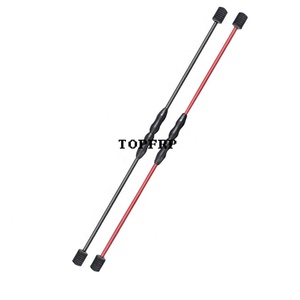
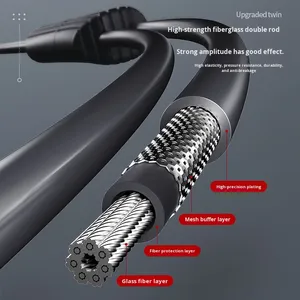
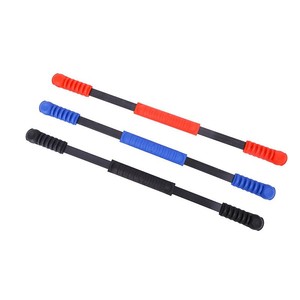
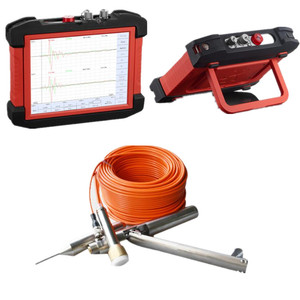
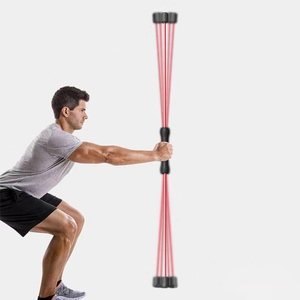
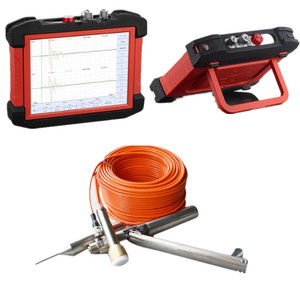
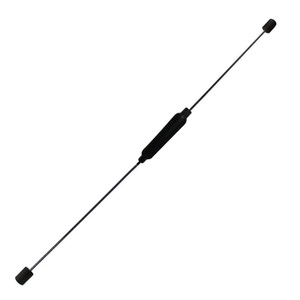
- Biocompatible Ergonomic Industrial Design: Our manufacturing lines specialize in medical-grade wristbands, modular tremor dampening swing sticks, and micro-seismographic sensor housings optimized for patient compliance and mechanical longevity.
Frequently Asked Questions: B2B Engineering & Procurement
Partner with a Leading Clinical Wearable OEM Manufacturer
Accelerate your clinical wearable development pipeline. Discuss your project requirements, technical specifications, or custom manufacturing needs directly with our engineering directorate.
Send an Inquiry