
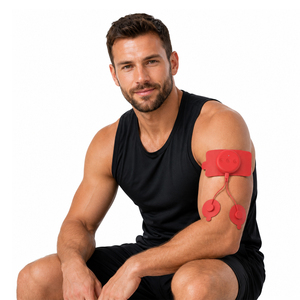
OEM Product Lineup
Precision Neural Devices & Interface Components
Explore our ISO 13485-certified bioelectronic products, clinical nerve stimulators, BCI caps, and custom electrode hardware available for OEM/ODM customization.
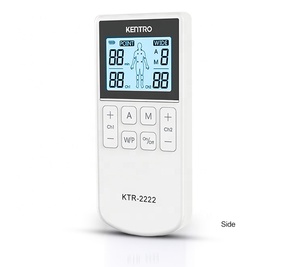
Transcutaneous Electrical Nerve Stimulation (TENS) Body Circulation & Relief Device
Contact Us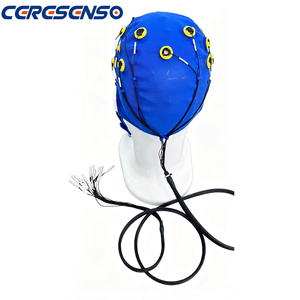
CERESENSO EEG Cap 10-20 System 12-Channel for Neurodiagnostics & BCI Interface
Contact Us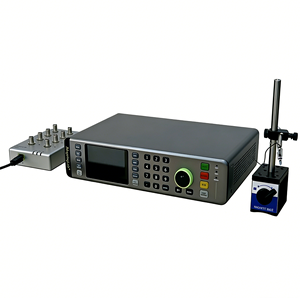
Programmable Electrical Stimulation System for Neuronal Cells & Ex Vivo Tissue
Contact Us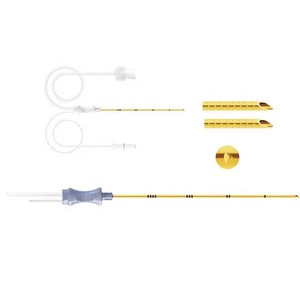
Medical Disposable Nerve Block Stimulation Needle & Ultrasound Electrode Assembly
Contact Us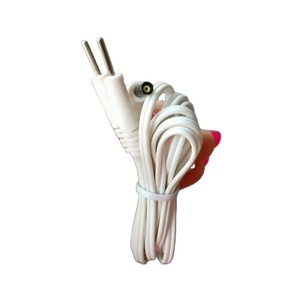
High-Flexibility Electrode Cable Lead Wire for TENS & Neurostimulation Instruments
Contact Us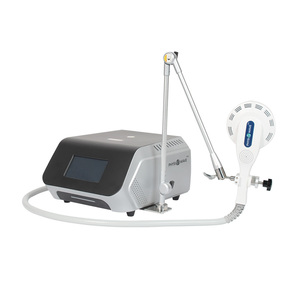
Non-Invasive Painless Electromagnetic Nerve Health & Neuromodulation Stimulator
Contact Us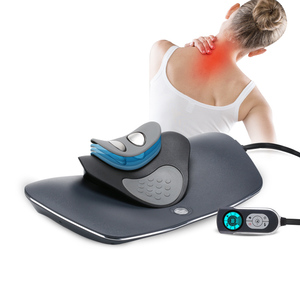
Innovative Transcutaneous Electrical Nerve Stimulation Targeted Wearable Massager
Contact Us20+
Years R&D Expertise
FDA
Cleared AI Technology
100%
Closed-Loop Precision
ISO 13485
Certified Facilities
Enterprise Advantage
Leading the Evolution of Neuro-AI & OEM Interface Engineering
Combining over two decades of neural engineering legacy with cloud-driven bio-signal AI algorithms to deliver commercial-grade contract manufacturing.
20+ Years Neural R&D
Founded on rigorous academic research and advanced biomedical micro-electronics, our engineering matrix specializes in micro-volt signal acquisition, high-fidelity neural decoding, and adaptive therapeutic delivery.
FDA Clearance Rigor
As pioneers behind groundbreaking bioelectronic products such as the Felix NeuroAI™ Wristband, our turn-key manufacturing operations adhere strictly to US FDA 21 CFR 820 quality systems and international MDR frameworks.
Closed-Loop Neural Modulation
Our custom OEM solutions establish dynamic bidirectional channels with peripheral nerves. Sensed sEMG/EEG signals are processed in real-time, allowing pulse dynamics to auto-adjust to physiological responses seamlessly.
Executive Technical Whitepaper: OEM Sourcing for Peripheral & Central Nerve Interfaces
The bioelectronic medicine sector is undergoing a paradigm shift. Medical device original equipment manufacturers (OEMs) and neuro-tech innovators are increasingly transitioning away from legacy, fixed-dose electrical stimulation units toward dynamic, algorithmically governed nerve-computer interfaces (NCIs). As peripheral nerve stimulation (PNS), brain-computer interfaces (BCI), and electroceuticals gain broader clinical acceptance, the demand for specialized custom OEM nerve interface manufacturers with verified regulatory compliance, micro-electrode fabrication, and closed-loop algorithm integration has reached an unprecedented zenith.
Core Industry Mandate: Next-generation bioelectronic devices must bridge high-density micro-voltage sensing with instantaneous, jitter-free stimulus delivery. Achieving sub-millisecond responsiveness in non-invasive and minimally invasive interfaces requires contract manufacturing capabilities that span cleanroom polymer micro-fabrication, low-noise ASIC engineering, and ISO 10993 biocompatibility compliance.
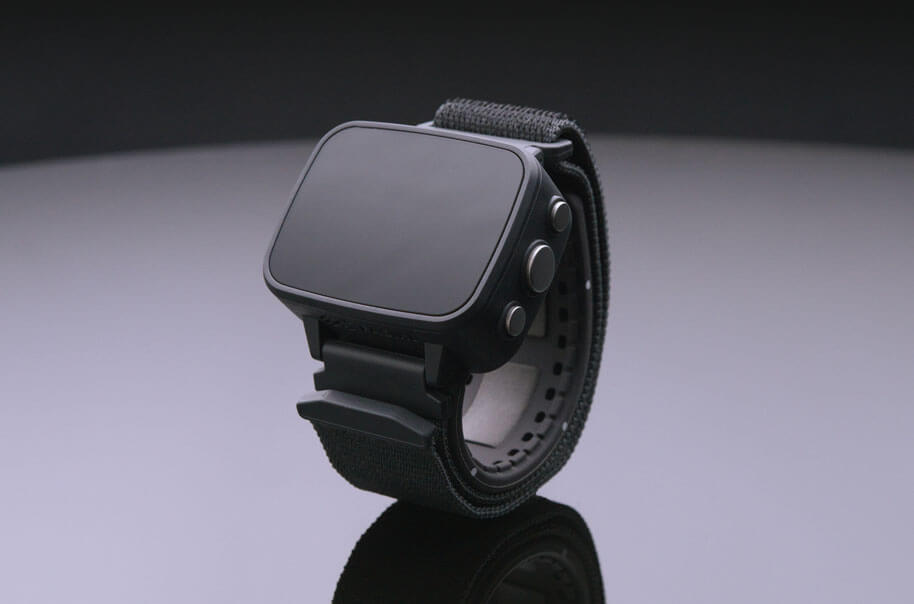
Pioneering Commercial-Grade Neuro-AI Engineering
Building upon over 20 years of foundational neural engineering research, our custom OEM design workflows unlock unprecedented precision in peripheral nerve signal processing. Traditional TENS and EMS devices operate as open-loop systems, blindly delivering pre-set square waveforms regardless of underlying motor activity or patient fatigue.
In contrast, our proprietary OEM platform options incorporate cloud-connected neural signal decoding engines. By capturing neuromuscular firing patterns through high-density Ag/AgCl wet/dry arrays or flexible printed micro-electrodes, the system filters ambient noise and isolates clinical movement markers, enabling real-time therapeutic adjustment.
Engineering Capabilities & Custom OEM Contract Manufacturing
Sourcing a reliable custom OEM nerve interface manufacturer requires verifying technical breadth across electrical, mechanical, biophysical, and software domains. Below is an exhaustive technical breakdown of our scalable contract manufacturing matrix:
1. High-Fidelity Signal Acquisition & Electrode Subsystems
The efficacy of any neural interface depends fundamentally on signal-to-noise ratio (SNR) at the biological junction. Our manufacturing capabilities include:
- Flexible Micro-Electrode Arrays (FMEAs): Submillimeter electrode pitches etched on Polyimide, LCP (Liquid Crystal Polymer), or TPU substrates for high-density sEMG and EEG caps (such as our 12-channel 10-20 CERESENSO system).
- Impedance-Optimized Hydrogels & Coatings: Application of conductive polymer films (PEDOT:PSS), sputtered iridium oxide (IrOx), and platinum-iridium alloys to minimize contact impedance below 5 kΩ at 1 kHz, preventing tissue polarization during continuous sensing.
- Invasive & Non-Invasive Interventions: Production of sterile, ultra-sharp single-use nerve block needles with integrated ultrasound-reflective bands and Teflon insulation for pinpoint electrical mapping.
2. Embedded Electronics, Micro-ASICs & Firmware Architecture
Hardware miniature constraints demand ultra-low power consumption for wearable neuromodulation wearables. Our electronics hardware design suite features:
- Custom Analog Front-End (AFE) Integration: Ultra-low noise amplifiers offering CMRR > 110 dB to detect microvolt-level bio-potentials amidst massive powerline and motion artifacts.
- Multi-Channel Programmable Stimulators: Constant-current stimulus generators capable of producing biphasic, monophasic, and high-frequency kilohertz waveforms with voltage compliance up to 100V.
- Wireless Connectivity & Edge-AI Compute: Low-latency Bluetooth Low Energy (BLE 5.3), Wi-Fi, and localized ARM Cortex-M4/M33 microcontrollers programmed for real-time artifact suppression and edge inference.
3. Biocompatibility, Enclosure Molding & IP Ratings
Wearable TENS/EMS devices and clinical BCI headsets must endure daily stress, moisture exposure, and repeated cleaning regimes. Our OEM assembly lines utilize medical-grade materials tested to ISO 10993-1, ISO 10993-5 (cytotoxicity), and ISO 10993-10 (irritation and sensitization).
We provide overmolding using USP Class VI liquid silicone rubber (LSR), high-durability polycarbonate/ABS housings, and IP67/IP68 water ingress sealing to safeguard sensitive neural computing boards during everyday physical activity or clinical sterilization routines.
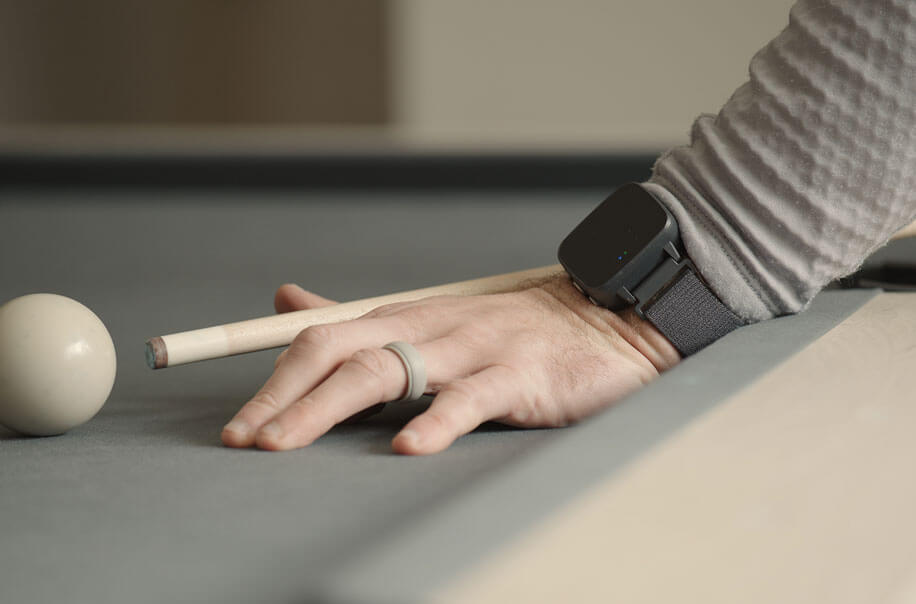
Strategic Future Trends in Nerve Interface Procurement (2025–2035)
Procurement teams and product managers evaluating medical technology suppliers must align with long-term technological trajectories. The next decade of peripheral and central nerve interface sourcing will be dominated by four structural developments:
Trend 1: Migration toward Closed-Loop "Sense-and-Stimulate" Paradigms
Open-loop neurostimulators are rapidly giving way to bio-responsive networks. Procurement specifications are increasingly calling for bidirectional channels where the device dynamically alters stimulation amplitude, pulse width, and frequency in response to real-time neural firing patterns or physiological tremorous bursts. OEM partners capable of delivering integrated sensor-actuator hardware will hold a decisive competitive advantage.
Trend 2: Cloud-Tethered Neural AI & Longitudinal Analytics
Future bioelectronic therapeutics will not operate in isolation. Through secure HIPAA/GDPR-compliant cloud pipelines, neural usage metrics and physiological response logs are transmitted to centralized machine learning hubs. These algorithms optimize individual treatment profiles, enabling clinicians to monitor disease progression remotely and adjust stimulation protocols Over-The-Air (OTA).
Trend 3: High-Density Non-Invasive Brain-Computer Interfaces (BCI)
While invasive neural implants capture significant research attention, non-invasive high-density EEG caps and transcutaneous nerve monitors remain the preferred entry point for broad clinical adoption. Modern OEM buyers prioritize caps offering rapid setup times, dry or semi-dry electrode materials, and multi-modal compatibility (combining fNIRS with multi-channel EEG for neurodiagnostics and cognitive state tracking).
Trend 4: Miniaturization & Ultra-Flexible Wearable Ergonomics
Patients demand discrete, wrist-worn or patch-based form factors that blend into lifestyle routines without drawing social stigma. As seen in wrist-worn essential tremor devices, contract manufacturers must master multi-layer flex-rigid PCB assembly, ultra-thin soft silicone encasements, and ergonomic strap mechanisms to maintain uniform skin-electrode interface pressure throughout daily motion.
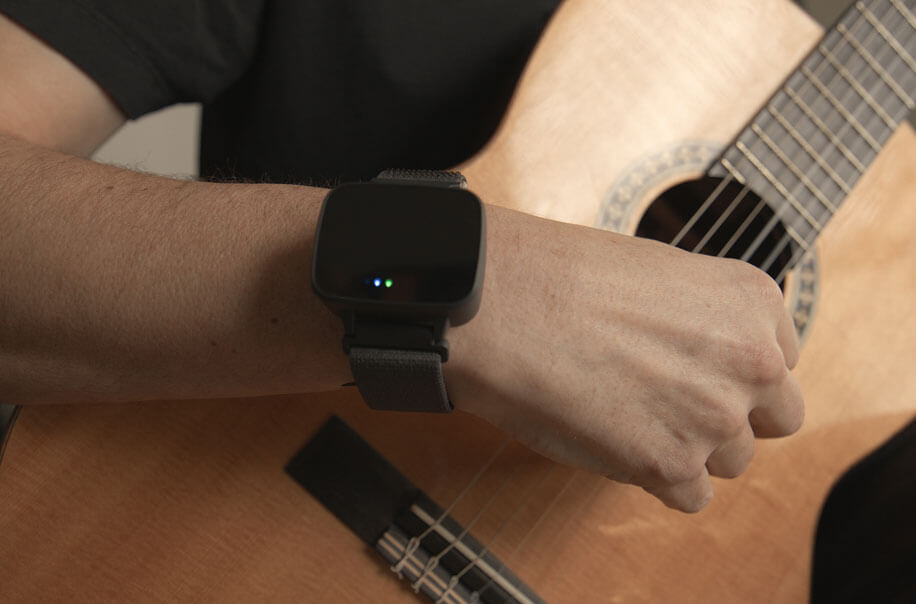
Enhancing Patient Compliance through Ergonomic OEM Design
The ultimate metric for clinical bioelectronics is real-world patient adherence. By co-developing wearable nerve stimulators with balanced weight distribution, breathable skin-contact materials, and intuitive app interfaces, OEM clients achieve significantly higher daily usage rates.
Whether manufacturing neck-pain relief TENS massagers, limb rehabilitation EMS suites, or prescription tremor control wearables, our ISO 13485 facility ensures that every batch meets exact tactile, aesthetic, and functional specifications.
B2B Procurement Sourcing Guide: Evaluating OEM/ODM Manufacturers
When selecting a contract manufacturing partner for high-reliability nerve stimulators and neural interface assemblies, enterprise buyers must enforce a comprehensive audit protocol across five key evaluation pillars:
- Quality Management System (QMS) & Regulatory Standards: Verify that the factory operates under ISO 13485 certification, maintains FDA 21 CFR Part 820 registration, and supports full Device Master Record (DMR) and Device History Record (DHR) tracking.
- Traceability & Component Grade: Ensure active electrical components, microcontrollers, and bio-compatible materials carry complete batch certification, UL/CE marks, and RoHS/REACH compliance documentation.
- Design for Manufacturability (DFM) Support: A superior OEM supplier provides complete DFM feedback during early prototyping stages, optimizing board layouts, housing tolerances, and electrode wire strain relief to maximize yields and minimize unit costs.
- Intellectual Property Security: Protecting proprietary neural signal processing algorithms and custom ASIC topographies is essential. Ensure robust legal frameworking including multi-jurisdictional non-disclosure agreements (NDAs) and clean-room IP segregation.
- End-to-End Testing & Verification Protocols: Rigorous 100% automated optical inspection (AOI), in-circuit testing (ICT), functional impedance testing, and biological safety testing must occur prior to global distribution.
Sourcing Guidance
Frequently Asked Questions for B2B Procurement
Answers to common technical, regulatory, and commercial inquiries regarding custom OEM nerve interface development.
What custom OEM/ODM services do you provide for nerve interfaces?
We offer full turn-key ODM/OEM manufacturing services spanning initial concept engineering, industrial design, PCB layout, custom firmware development, bio-compatible electrode molding, cleanroom assembly, packaging, and regulatory technical file compilation for Class I, II, and III medical products.
Can your manufacturing lines handle custom high-density EEG caps and BCI electrodes?
Yes. We produce high-density 10-20 system EEG caps (such as our 12-channel CERESENSO series) with flexible wiring, shielded cabling, custom channel configurations, and specialized wet/dry Ag/AgCl sensors tailored for diagnostic, BCI, and fNIRS research applications.
How do you ensure ISO 10993 biocompatibility compliance for wearable nerve stimulators?
All materials coming into direct or indirect skin contact—including hydrogels, thermoplastic elastomers (TPE), silicone straps, and conductive electrode pads—undergo rigorous ISO 10993 testing covering cytotoxicity, sensitization, and intracutaneous reactivity. Full material safety datasheets (MSDS) are supplied with technical files.
What are the typical Minimum Order Quantities (MOQs) and production lead times?
Prototype and engineering sample batches are typically dispatched within 4 to 6 weeks. Mass production MOQs range from 500 to 5,000 units depending on device complexity, custom ASIC tooling requirements, and enclosure customization needs. Rapid production schedules can be arranged for pilot clinical trials.
Do you assist with FDA 510(k) submissions and CE MDR documentation?
Absolutly. Leveraging our extensive background in bringing FDA-cleared neural devices to market (such as the Felix NeuroAI™ Wristband), our regulatory affairs team supplies complete technical dossiers, risk management files (ISO 14971), verification/validation data, and software lifecycle documentation (IEC 62304) to support your global filings.
Partner with a World-Class Nerve Interface OEM Manufacturer
Transform your bioelectronic vision into a market-ready, regulatory-compliant medical product. Contact our neural engineering specialists today for confidential technical reviews, DFM evaluations, and custom quotation support.