
Neuro-AI & Therapeutic Insights
Latest news, clinical updates, and technical articles on bioelectronic technology and essential tremor solutions.
Certified OEM Diagnostic & Biosignal Hardware Portfolio
Enterprise-scale production lines offering turnkey customizations, medical-grade compliance, high-density electromechanical designs, and custom firmware integration.
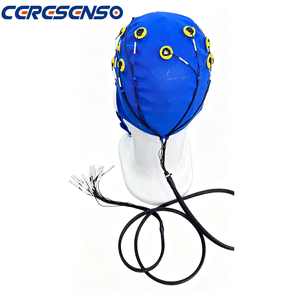
CERESENSO EEG Cap 10-20 System 12-Channel for Neurodiagnostics and Brain-Computer Interface BCI, Epilepsy Monitoring, FNIRS
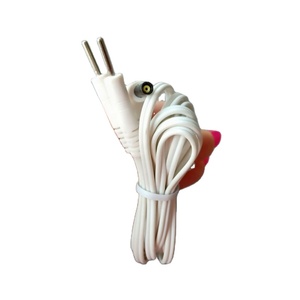
Electrode Cable Line Wire for TENS Acupuncture Electrical Nerve Stimulator Class I Instrument
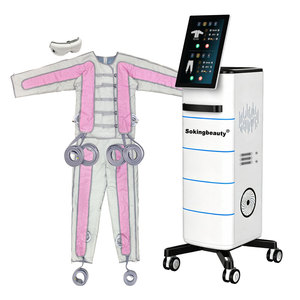
Vertical Pressotherapy Machine Maquina Presoterapia Lymphatic Drainage Full Body Airbag Suit 8 Inch Touch Screen

AESTHTANY 150ml Shea Butter Cleansing Foam Gentle Deep Cleansing Boost Native Moist Skin Luster Evening Relaxing Facial Care OEM
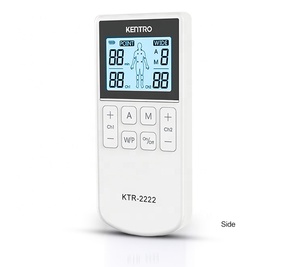
Transcutaneous Electrical Nerve Stimulation (tens) for Blood Circulation Improving Body Pain Relief Massager
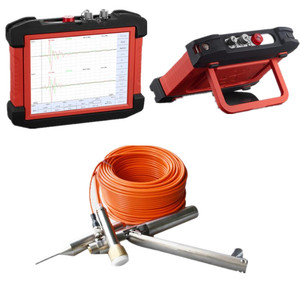
Micro Tremor Monitoring Seismograph Shear Wave Seismic Survey Equipment
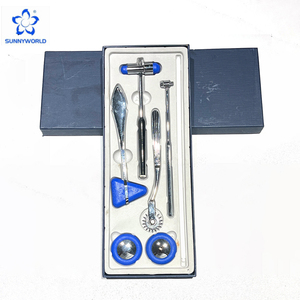
New Manual Power Source Neurological Medical Reflex Percussion Hammer Diagnostic Set Comprehensive Diagnostic Hammer Kit
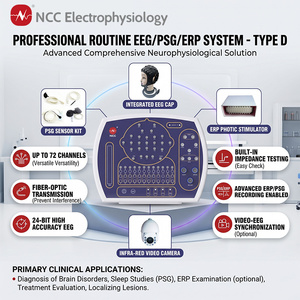
NCC Medical Neuroscience Instrument 72 Channel Fiber Optical PSG ERP Epilepsy Diagnosis Electroencephalogram Machine
Deciphering Complex Peripheral & Central Neural Signatures
Modern clinical interventions demand extreme fidelity. As a dedicated OEM contract manufacturing and research facility, our manufacturing lines bridge the challenging gap between wet-electrode electrophysiology and dry wearable bio-sensing systems.
By integrating micro-machined multi-array sensors with proprietary on-device edge digital signal processors (DSP), our neural decoding architectures parse microvolt-level neurological potentials while systematically rejecting kinetic motion artifacts, electromyographic interference, and ambient electromagnetic background noise.
Whether you require multichannel ERP/EEG clinical recording machines conforming to the international 10-20 standard or miniaturized smart wristbands for kinetic tremor extraction, our facility executes tight-tolerance fabrication compliant with ISO 13485 and FDA Class II/III design controls.
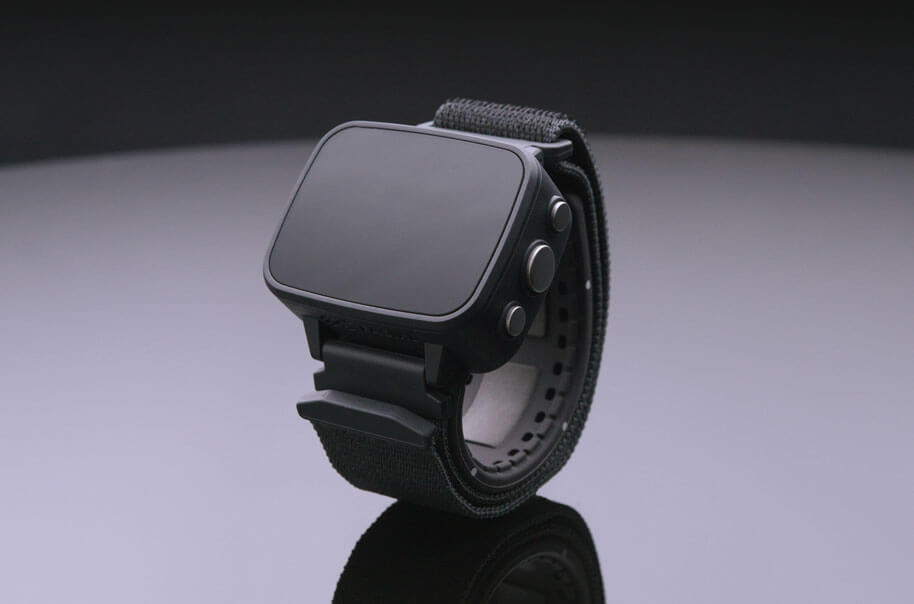
Bidirectional Nerve-Computer Interfaces (NCIs)
Unidirectional stimulation is obsolete. The therapeutic gold standard is dynamically adaptive: listening to biological firing rates, computing phase offsets via embedded AI, and answering with phase-locked micro-current pulses.
Our OEM manufacturing facility specializes in bidirectional nerve-computer interfaces. Utilizing high-resolution surface transcutaneous electrical nerve stimulation (TENS) matrices and optical isolation barriers, we build devices that prevent stimulation saturation and artifact bleed into sensitive recording amplifiers.
This closed-loop methodology powers noninvasive therapeutic platforms for movement disorders, stroke rehabilitation, and sensory biofeedback, offering clinical-grade efficacy without requiring invasive deep brain surgery.
Strategic Sourcing: Neural Decoding Equipment Procurement Trends
An authoritative analysis for hospital procurement executives, medical device brand owners, and biomedical startup leaders navigating the 2025–2030 regulatory and technology landscape.
Convergence of Edge-AI & Biosignal Silicon
Procurement teams are shifting away from dumb telemetry nodes. Modern tenders demand edge-embedded neural inference chips capable of executing continuous wavelet transforms (CWT) and light spiking neural networks (SNN) locally, minimizing latency to under 10 milliseconds while preserving battery runtime in wearable form factors.
Stricter Global Medical Interoperability
Procurement mandates require multi-modal data pipeline compatibility. Systems must conform to IEEE 11073 Point-of-Care standards, HL7 FHIR protocols, and ISO/IEC 62304 lifecycle documentation, ensuring collected neurological time-series effortlessly integrate with hospital ERPs and cloud therapeutic registries.
Demand for Biocompatible Dry-Polymer Electrodes
Traditional wet-gel setups limit clinical throughput and patient compliance. Global buyers prioritize OEMs with verified supply chains in conductive dry-contact polymers, carbon-nanotube silicone elastomers, and gold-plated copper spring pins capable of continuous 24-hour artifact-free recording.
Technological Roadmaps Shaping Neural Interfaces
Examining how high-density optical integration, cloud-synced therapy, and sub-millimeter transcutaneous targeting define the frontier of bioelectronic medicine.
fNIRS & EEG Hybrid Co-Registration
Combining electrophysiological spatial tracking via EEG with metabolic hemodynamic cortical feedback via functional Near-Infrared Spectroscopy (fNIRS). Our custom OEM tooling provides optical-shielded caps that prevent high-frequency photonic sensors from introducing electrical cross-talk into 72-channel microvolt circuits.
Sub-Millimeter Neural Targeting
Modern nerve stimulation moves past wide-area dermal shocks. Utilizing beam-forming phased current steering and multi-pad electrode grids, our peripheral hardware directs stimulation fields directly toward median, radial, or ulnar nerve bundles with millimeter precision, eliminating involuntary antagonistic muscle contractions.
Continuous Cloud Neural Telemetry
Hardware connectivity utilizing low-energy medical Bluetooth (BLE 5.3) and encrypted cellular protocols allows devices to stream encrypted biosignal metrics directly to regulatory-compliant cloud pipelines for longitudinal therapy adjustment, physician oversight, and continuous ML model fine-tuning.
Miniaturized Ergonomic Industrial Design
Transforming complex neurodiagnostic racks into lifestyle-integrated wearables. Engineering consumer-grade finishes with IP67 ingress protection, ensuring high patient compliance, skin-safe biocompatibility (ISO 10993), and long-term daily usability for elderly and pediatric cohorts.
Enterprise Contract Manufacturing Advantages
Deep engineering heritage, rigorous quality frameworks, and end-to-end proprietary supply chain control.
Full-Stack Medical Lifecycle Engineering
We are not simply an assembly house; we are an advanced R&D incubator and production powerhouse. From initial PCB schematic routing, multi-layer impedance matching, and flex-rigid cable prototyping to micro-injection tooling, our cleanroom facilities produce market-ready medical hardware.
Our quality management ecosystem is fully certified under ISO 13485:2016, backed by FDA Quality System Regulations (QSR 21 CFR Part 820). We maintain a proven track record of supporting tier-one medical brands, clinical research networks, and venture-backed healthtech startups from DFM (Design for Manufacturing) validation through high-volume commercial scaling.

Bridging Laboratory Precision with At-Home Patient Independence
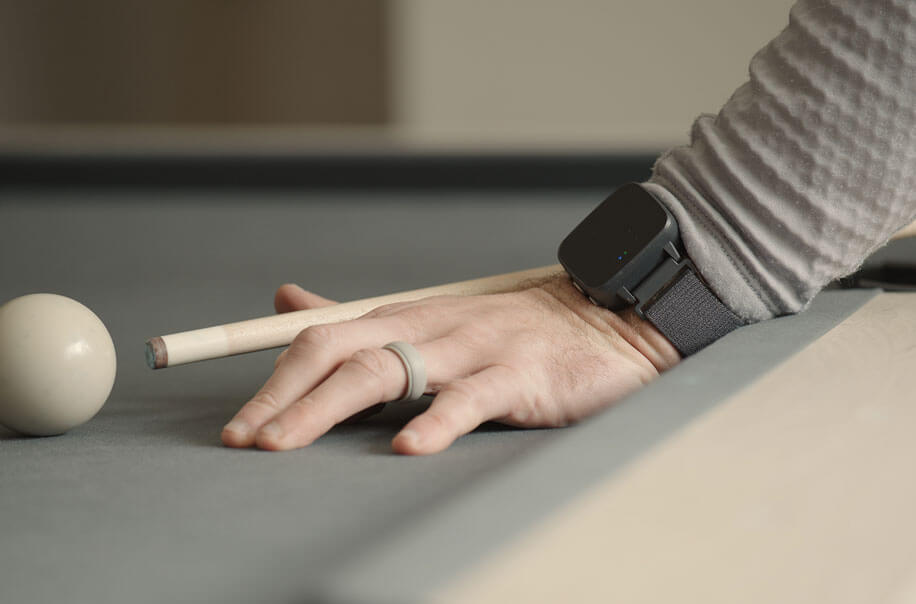
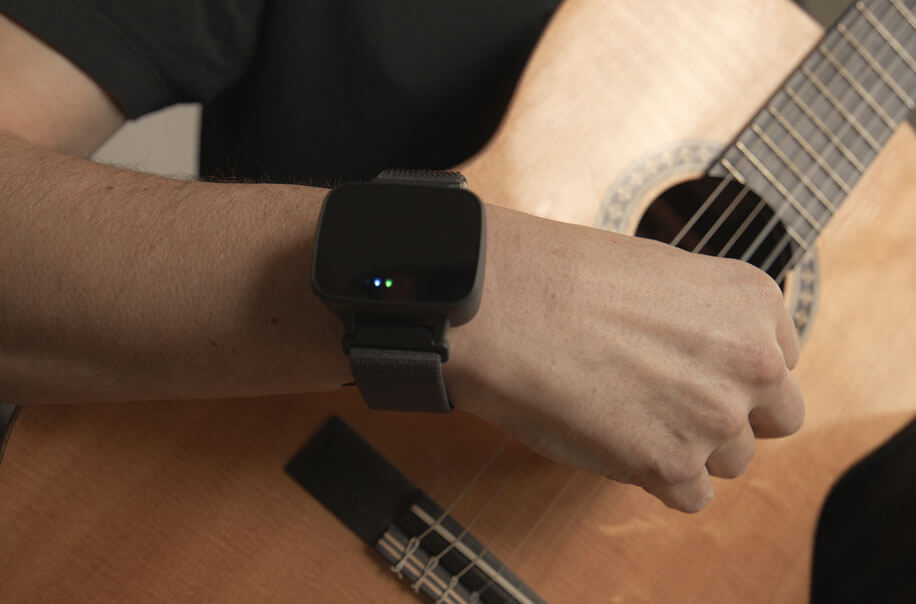
Neurological disorders such as Essential Tremor, Parkinsonian tremor, and spastic hemiparesis historically left patients trapped between invasive brain surgery (DBS) and sedative pharmacological regimens. Our contract production lines produce hardware engineered to withstand everyday at-home conditions.
By empowering therapeutic wearables to operate seamlessly during tasks like writing, holding a cup, and computer work, we help our OEM partners build clinical-grade trust, market validation, and superior real-world outcomes verified by neurology clinics globally.
Frequently Asked Questions: Technical Procurement & Custom OEM
In-depth operational, technical, and regulatory clarity for biomedical procurement teams.
Q1: What minimum order quantities (MOQ) and lead times apply to custom neural interface OEM runs?
For custom PCB fabrication, cable harness assembly, and electrode matrix overmolding, our standard pilot-run MOQ begins at 500 units for verification and clinical trials. High-volume commercial scaling ranges from 2,000 to 50,000+ units per quarter. Prototype turnarounds typically require 4–6 weeks, whereas full DFM tool-making and Class II cleanroom production lead times sit between 10 and 14 weeks from design lock.
Q2: How do your manufacturing facilities manage signal-to-noise ratio (SNR) in custom EEG and EMG equipment?
We deploy high-precision, low-noise analog front-ends (AFE) featuring input impedances exceeding 100 GΩ, CMRR (Common Mode Rejection Ratio) greater than 110 dB, and active driven-right-leg (DRL) circuitry. Cables utilize multi-core double-shielded coaxial layouts with medical-grade Kevlar reinforcers to eliminate triboelectric charge accumulation and motion microphonics during kinetic patient movement.
Q3: Can you assist with FDA 510(k), CE MDR Class IIa/IIb, and international medical clearances?
Yes. Our engineering documentation is delivered fully formatted for Technical Files, Design Master Records (DMR), and Device History Records (DHR). We supply full traceability, risk management reports compliant with ISO 14971, electrical safety testing verification under IEC 60601-1, and EMC validation under IEC 60601-1-2 to streamline client regulatory submissions.
Q4: How does your factory ensure biocompatibility of patient-contacting parts?
All patient-contact materials—including silicone caps, conductive rubber electrodes, snap cables, and synthetic straps—undergo stringent toxicological risk evaluation and testing under ISO 10993 standards for cytotoxicity (ISO 10993-5), sensitization (ISO 10993-10), and intracutaneous irritation.
Q5: Do you support proprietary firmware loading and intellectual property isolation?
Absolutely. We operate under stringent non-disclosure agreements (NDA) with cryptographically secured production programming stations. Clients can provide closed-source binary images directly loaded onto secure flash microcontrollers via JTAG/SWD with hardware fuse locking, preventing reverse-engineering or firmware exfiltration at the factory level.