
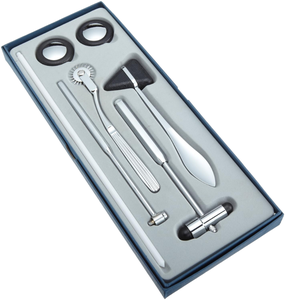
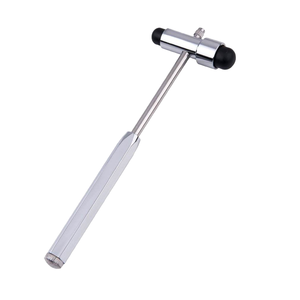
Premium Manual Zinc Alloy Neurological Diagnostic Set with Reflex Hammer
- High-density die-cast zinc alloy handle
- Calibrated rubber percussion head
- Integrated tactile nerve testing needle
Engineered for absolute clinical precision. We offer complete OEM/ODM manufacturing customization—including custom anodization, laser branding, acoustic calibration, and bio-compatible materials.
Combining over two decades of core research in biosignal decoding, closed-loop neural modulation, and precision metallurgical fabrication to empower healthcare distributors worldwide.
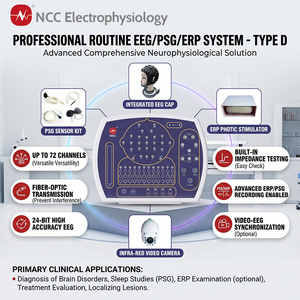
As a leading original equipment manufacturer (OEM) and custom developer of neurological diagnostic instruments, our manufacturing ecosystem bridges the gap between conventional clinical tools and next-generation neuro-technologies. From basic tactile reflex hammers to complex cloud-connected 72-channel fiber optic EEG/PSG electroencephalogram systems, our facilities operate under strict medical-grade controls.
Our proprietary signal processing frameworks extract subtle neuro-muscular markers with minimal noise interference. Whether you require private-label manual diagnostic kits or full-stack software-hardware integrated neuro-diagnostic stations, our production lines deliver uncompromised quality, validated by regulatory approvals across North America, Europe, and Asia-Pacific.
Strategic analysis for hospital procurement officers, medical equipment distributors, and OEM buyers navigating the next decade of neurological assessment hardware.
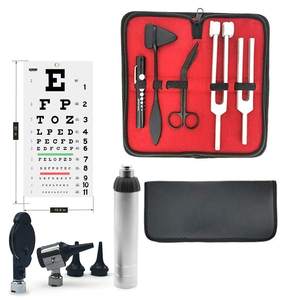
Traditional manual diagnostic instruments (such as reflex hammers and tuning forks) are increasingly bundled with AI-driven physiological measurement systems. B2B buyers now seek suppliers capable of manufacturing both classic physical examination sets and high-channel EEG/ERP diagnostic hardware with optical signal isolation.
In neuro-physiological monitoring (such as epilepsy diagnosis and Polysomnography/PSG), copper-wired setups are being superseded by multi-channel fiber optic networks. Optical transmission eliminates electromagnetic interference (EMI), delivering ultra-pure signal clarity for complex Event-Related Potential (ERP) studies.
Global healthcare authorities (FDA, EU MDR) are enforcing strict standards on patient-contacting metals and polymers. OEM buyers demand certified surgical stainless steel, non-toxic zinc alloys, and autoclavable synthetic polymers with full material test report (MTR) traceability.
An engineering breakdown comparing conventional medical diagnostic tools with modern OEM manufacturing standards for hospital procurement.
| Diagnostic Class | Material & Technical Spec | Clinical Application | OEM Customization Scope | Regulatory & Quality Standard |
|---|---|---|---|---|
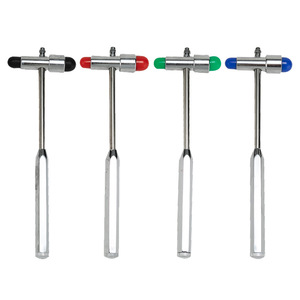
| Manual Percussion Hammers | Die-Cast Zinc Alloy / 304 Stainless Steel | Myotatic Reflex & Cutaneous Sensitivity | Weight balancing, head color, pin integration | CE Class I / FDA Class I Exempt |
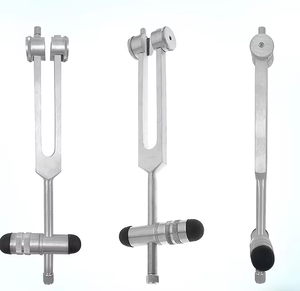
| Acoustic Tuning Forks | Non-Magnetic Aluminum Alloy / Surgical Steel (128Hz) | Vibratory Sensation & Auditory Screening | Frequency laser engraving, fixed/adjustable weights | ISO 13485 / Medical Grade Resonance |
| Multi-Channel EEG Systems | 72-Channel Fiber Optic Transmission Module | Epilepsy Diagnostic, ERP & PSG Sleep Monitoring | Firmware API, custom electrode caps, case design | CE Class IIa / FDA 510(k) Cleared Platform |
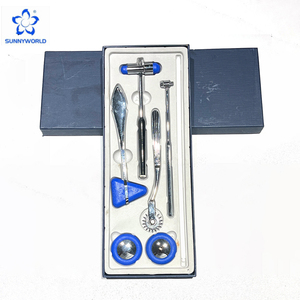
| Combined ENT/Neuro Kits | Tactical Stainless / Anodized Finish Case | Multi-system Specialist Examination | Custom tool insertion molds, branding kits | Full Biocompatibility ISO 10993 |
Selecting the right OEM manufacturing partner for neurological diagnostics requires evaluating both structural metallurgical expertise and sophisticated electronic signal integrity. Diagnostic instruments are the frontline tools for clinical decision-making; a 2% variance in tuning fork acoustic decay or uneven weight distribution in a Babinski hammer can affect diagnostic accuracy.
In high-end neuro-technology—such as fiber-optical electroencephalogram (EEG) stations—procurement teams must inspect signal-to-noise ratios (SNR), common-mode rejection ratios (CMRR), and optical isolation channels. Optical channels eliminate ground loops and protect patients against electrical surges during extended sleep studies or intraoperative neurological monitoring.
Our OEM manufacturing workflow integrates stringent raw material testing, high-speed CNC machining, automated surface finishing, and double-blind quality control passes. This ensures every diagnostic instrument leaving our factory meets international hospital requirements.
Clear answers to common technical, manufacturing, and regulatory inquiries from prospective global OEM buyers.
Our minimum order quantities depend on the level of customization. For standard manual diagnostic instruments (reflex hammers, tuning forks) with custom laser logo engraving, our base MOQ starts at 500 sets. For custom-molded components or specialized electro-medical systems like high-channel optical EEG machines, MOQs can be negotiated based on project scope and tooling investment.
All materials used in our neurological tools—including zinc alloy handles, medical-grade rubber percussion heads, stainless steel needles, and synthetic brushes—undergo ISO 10993 biocompatibility testing. We provide complete Material Safety Data Sheets (MSDS) and Material Test Reports (MTR) with every OEM delivery batch.
Yes. While 128 Hz and 256 Hz remain the clinical standards for neurological vibration perception and auditory screening, our precision acoustic machining capabilities allow us to produce tuning forks tuned to custom frequencies (C-64 Hz up to 4096 Hz) with optional weighted dampers and custom laser engraving.
We supply complete technical dossiers supporting global market entry. This includes ISO 13485 quality system documentation, CE Class I declaration of conformity (EU MDR compliant), FDA registration numbers, and full testing reports for acoustic, mechanical, and electrical parameters where applicable.
Fiber-optic transmission isolates the electrical pathways between patient electrodes and recording hardware. This eliminates line noise, ambient electromagnetic interference (EMI), and ground loop distortion, delivering pristine microvolt-level signal acquisition required for pinpointing epileptic foci and analyzing precise Event-Related Potentials (ERP).
Standard OEM orders for manual diagnostic sets typically require 25 to 35 business days from final artwork and prototype approval. Complex electro-medical systems requiring custom firmware flashing, housing molding, and multi-stage testing require 45 to 60 business days. Expedited production schedules are available upon request.
Absolutely. We offer complete packaging design services, including EVA hard-shell cases, padded leatherette zipper pouches, molded plastic carrying kits, and eco-friendly retail display boxes tailored to your brand’s corporate identity guidelines.
Contact our engineering and B2B procurement team today to request product catalogs, sample units, factory audit reports, or custom production estimates.