ISO 13485 & FDA 510(k) Ready Bioelectronic Manufacturing
Custom OEM Neuromodulation System Manufacturers & Suppliers
OEM & ODM Hardware Catalog
Turnkey Neuromodulation Modules & Systems
Explore our medical-grade customized wearables, sensor arrays, kinetic signal generators, and neuro-diagnostic instrumentation available for white-label contract manufacturing.
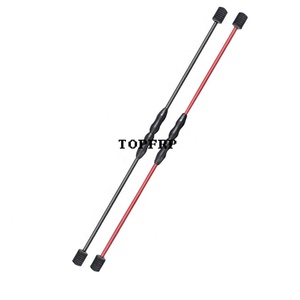
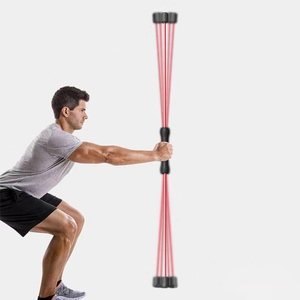
Hot Sale Detachable Fitness Tremor Bar Training Vibrator Bar
Precision kinetic neuro-stimulation rod with integrated micro-vibrational feedback. Ideal for motor skill rehabilitation, targeted neuromuscular conditioning, and physical therapy integration.
Felix Stick Elastic Tremor Training & Neuromuscular Rod
Medical-grade elastic PP bio-feedback tremor stick configured for dynamic peripheral resonance calibration, core stabilization, and motor neuron sensory training systems.
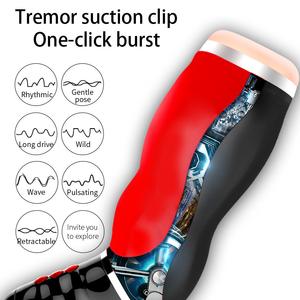
Closed-loop pneumatic-vacuum and electro-vibrational transducer unit engineered for non-invasive cutaneous nerve stimulation, localized therapy, and tactile modulation.
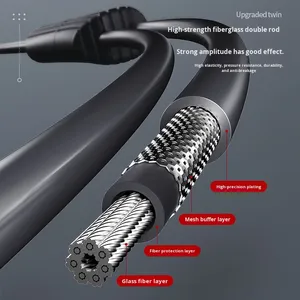
Precision Flexi-Vibration Neuromodulation Kinetic Bar
High-frequency mechanical oscillation bar designed for active peripheral nerve modulation, reflex enhancement, proprioceptive training, and muscular rehabilitation.
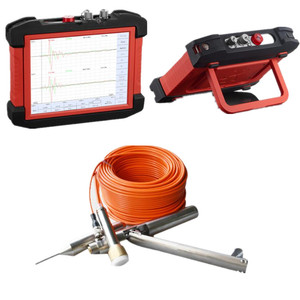
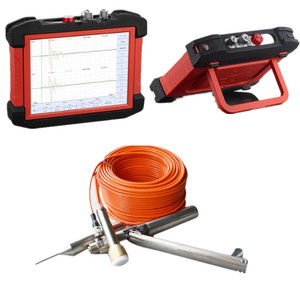
Multi-channel signal acquisition unit designed for ultra-low frequency micro-tremor wave monitoring, sub-surface seismic diagnostics, and high-fidelity signal analysis.
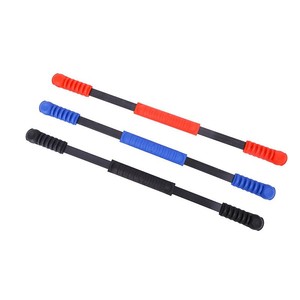
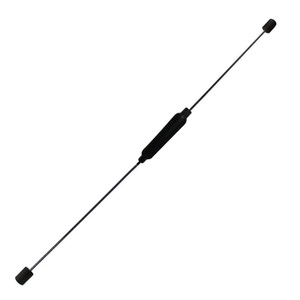
Durable synthetic rubber vibration rod designed for dynamic muscle activation, neuromuscular tuning, kinetic kinetic feedback loops, and clinical rehabilitation routines.
Backed by more than 20 years of neural engineering R&D, our OEM turnkey platform transitions bioelectronic concepts into FDA-cleared, market-ready therapeutics.
20+
Years R&D Expertise
100%
Non-Invasive PNS
FDA
Cleared Class II Track
ISO 13485
Certified Facilities
Core OEM/ODM Capabilities
Why Global MedTech Brands Rely On Our Manufacturing Infrastructure
We bridge complex neural decoding research with scalable, compliant ISO 13485 contract assembly to deliver customized neuromodulation solutions for global distribution.
Closed-Loop Bio-AI Algorithms
Our proprietary cloud neural engine continuously reads electromyographic (EMG) and kinematic signals, decodes individual motor signatures, and adjusts biphasic stimulation waveforms in real time—eliminating static, fixed-dose therapeutic limitations.
Miniaturized Flexible Hardware
Custom PCB-A engineering incorporating sub-millimeter microcontrollers, ultra-low power Bluetooth 5.4 LE SoCs, custom ASIC pulse generators, and skin-conformal multi-array electrode arrays optimized for all-day wearable comfort.
Complete Regulatory Support (DHF/STED)
We provide full Design History Files (DHF), Technical Documentation for CE MDR (2017/745), software verification under IEC 62304, and FDA 510(k) Master File submission support for effortless regional market entry.
ISO 13485 Cleanroom Production
State-of-the-art Class 8 cleanrooms equipped with high-speed surface-mount technology (SMT), automated optical inspection (AOI), ultrasonic plastic welding, and biocompatible silicone overmolding capabilities.
Turnkey mobile iOS/Android applications paired with secure cloud telemetry dashboards. OEM partners gain real-time patient adherence tracking, battery diagnostics, and over-the-air (OTA) firmware update infrastructure.
Strategic Procurement Trends in OEM Neuromodulation Systems
The global bioelectronic medicine and neuromodulation device market is undergoing a structural transition. Sourcing managers, MedTech executives, and clinical procurement teams are shifting away from traditional, bulky invasive implantables toward lightweight, non-invasive, AI-assisted therapeutic wearables. To maintain market competitiveness, procurement decision-makers must align with key industry shifts:
Key Insight: Modern neuromodulation procurement has shifted from purchasing simple hardware to acquiring integrated Neuro-AI platforms that combine biocompatible sensors, low-latency firmware, and cloud intelligence.
1. The Rise of Closed-Loop Peripheral Nerve Stimulation (PNS): Conventional neuromodulation devices operated on open-loop, continuous electrical firing. Next-generation OEM procurement focuses heavily on closed-loop systems capable of sensing physiological signatures (such as pathic tremor, spasticity, or autonomic nerve dysregulation) and firing stimulation only when clinically required. This drastically improves battery longevity and therapeutic efficacy while eliminating habituation.
2. Miniaturization and Ergonomic Consumerization: Patients reject non-compliant medical hardware that feels stigmatizing. B2B purchasers are demanding sleek, watch-like wristbands, discreet adhesive patches, and lightweight ergonomic rods. OEM manufacturers must master micro-molding, flexible printed circuit boards (FPCBs), and liquid silicone rubber (LSR) encapsulation to meet these standards.
3. Software-as-a-Medical-Device (SaMD) Integration: Hardware alone no longer commands premium margins. Sourcing partners require OEM platforms backed by compliant mobile applications and cloud analytics capable of parsing biofeedback metrics, tracking session adherence, and generating physician-ready clinical reports.
4. De-Risked Regulatory Supply Chains: Navigating global MDR and FDA clearances presents substantial financial risk. Leading buyers prioritize OEM vendors that offer pre-validated sub-assemblies, ISO 10993 biocompatibility testing packages, and IEC 60601-1-2 EMC testing readiness to cut time-to-market by 50%.
Future Manufacturing & R&D Technological Roadmap
Developing robust bioelectronic wearables demands cross-disciplinary mastery spanning electrical engineering, computational neuroscience, materials science, and medical assembly. Key engineering trends shaping our OEM production lines include:
Adaptive Micro-EMG Signal Processing: Integrating multi-channel bio-potential amplifiers with sub-microvolt noise floors. This allows surface electrodes to isolate tiny neural signals from large muscular movement artifacts.
Biphasic Pulse Waveform Tailoring: Advanced power management topologies allowing software-defined control over pulse width, frequency (from 1Hz up to 10kHz), inter-phase intervals, and current amplitude to maximize sensory nerve recruitment while minimizing tissue irritation.
Dry Hydrogel & Conductive Polymer Electrodes: Transitioning away from messy wet gels to long-lasting dry conductive polymers, carbon-infused silicone, and stainless-steel micro-domes designed for extended wear without dermal breakdown.
Edge Machine Learning Execution: Deploying lightweight neural networks directly onto ARM Cortex-M microcontrollers to execute sub-10ms intent decoding locally without continuous cloud dependency.
Procurement & Technical FAQ
Frequently Asked Questions by OEM Sourcing Teams
Detailed technical and commercial answers designed for medical device brands, supply chain directors, and clinical researchers evaluating custom contract manufacturing.
What is your typical OEM/ODM project lifecycle from concept to mass production?
Our turnkey product pipeline operates in five distinct phases: Phase 1: Requirements Definition & Architecture (2-4 weeks); Phase 2: EVT Hardware & Firmware Prototyping (6-10 weeks); Phase 3: DVT Verification & Pre-Clinical Batch Tooling (8-12 weeks); Phase 4: PVT & Regulatory Submissions (IEC 60601-1, ISO 10993) (8-14 weeks); Phase 5: Mass Production Ramp in ISO 13485 Facilities.
How do you handle Intellectual Property (IP) ownership for custom neuromodulation devices?
We provide clear IP partitioning options. Background IP (our baseline core hardware architectures, sensory processing engines, and cleanroom manufacturing methods) remains licensed to your platform, while Foreground IP (custom exterior industrial designs, proprietary electrode shapes, and application-specific therapy logic) belongs entirely to the OEM buyer upon completion of development milestones.
Can your systems be customized for indications outside essential tremor?
Yes. While our cleared reference designs target peripheral movement disorders such as essential tremor and Parkinsonian hand tremors, our modular nerve-computer interfaces (Fasikl-X core) can be calibrated for stroke motor recovery, chronic nerve pain management (tPNS), vagal autonomic stimulation, and bio-feedback athletic performance tuning.
What minimum order quantities (MOQ) apply to custom contract manufacturing?
We support initial pilot production runs of 500 to 1,000 units for clinical trials and commercial market test launches. Full mass-production volume pricing tiers unlock at 5,000 to 50,000+ units per annum, supported by dedicated automated SMT lines and high-throughput cleanroom packaging.
What safety standards and battery certifications are included?
All internal lithium-polymer and solid-state power systems undergo rigorous IEC 62133 and UN 38.3 transport testing. Device electronics comply with IEC 60601-1 (Basic Safety), IEC 60601-1-2 (EMC), and IEC 60601-1-11 (Home Healthcare Environment compatibility).
Do you supply SDKs and APIs for third-party software integration?
Absolute transparency is provided. We provide iOS, Android, and Flutter SDKs alongside RESTful cloud APIs. These tools allow your team to build bespoke clinical portals, connect directly with hospital EHR systems, or integrate custom machine learning models seamlessly.
Partner With a Proven OEM Neuromodulation Manufacturer
Accelerate your medical wearable R&D timeline. Speak directly with our senior neural engineering and procurement specialists to request custom technical datasheets, component samples, or a complete OEM proposal.