About
Videos News Careers Contact Providers Investors Explore Felix
Fasikl Blog

Neuro-AI & Therapeutic Insights

Latest news, clinical updates, and technical articles on bioelectronic technology and essential tremor solutions.

Custom OEM Wearable Biosensor Manufacturers & Factory

Next-Generation Closed-Loop Bioelectronic Systems, AI Neural Decoding & Medical-Grade Wearable Contract Manufacturing

Medical Device Whitepaper & OEM Directory

As the digital health landscape shifts from simple ambulatory fitness monitors to class-certified therapeutic hardware, engineering procurement executives require specialized OEM/ODM contract manufacturers. Our facility merges 20+ years of neuro-engineering R&D with strict cleanroom surface-mount assembly, embedded cloud-AI pipelines, and noninvasive peripheral nerve neuromodulation capabilities.
Featured Neuromodulation, Diagnostic & Dynamic Biomechanical Hardware

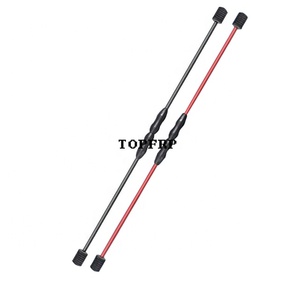
Detachable Fitness Tremor Bar Training Vibrator Bar
Detachable Fitness Tremor Bar Training Oscillating Biosensor Rod
Contact Us
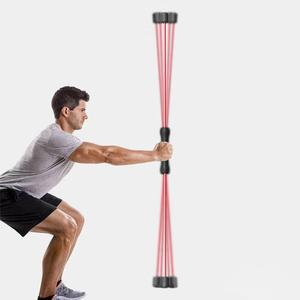
High Frequency Core Aerobic Training Yoga Vibrating Rod
High-Frequency Core Aerobic Tremor Rod with Kinetic Feedback Sensor
Contact Us
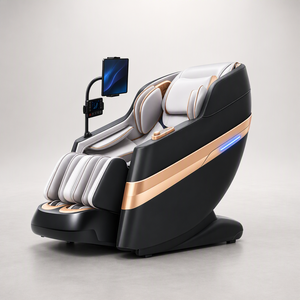
LEMESY Custom Luxury 2026 5D Shiatsu Massage Chair
Custom 2026 5D Whole-Body Somatosensory Recovery Chair System
Contact Us
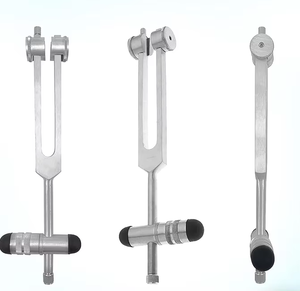
Premium Neurological Diagnostic 128 Hz Tuning Fork Hammer
Surgical-Grade 128 Hz Somatosensory Vibration Diagnostic Kit
Contact Us
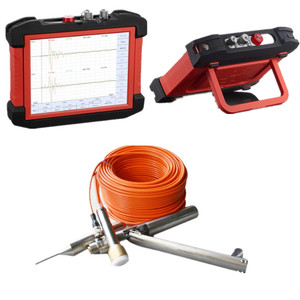
Shear Wave Velocity Tester Micro Tremor Instrument
High-Precision Shear Wave & Micro-Tremor Cycle Diagnostic Console
Contact Us
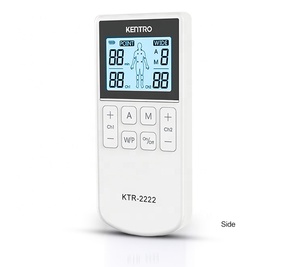
Transcutaneous Electrical Nerve Stimulation TENS Massager
Multi-Waveform Transcutaneous Electrical Nerve Stimulation (TENS) Device
Contact Us
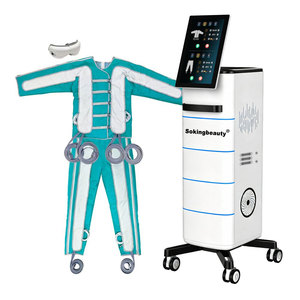
Circulation Lymphatic Drainage Pressotherapy Machine
Dynamic Compression Pneumatic Lymphatic Biosensing Therapy Unit
Contact Us
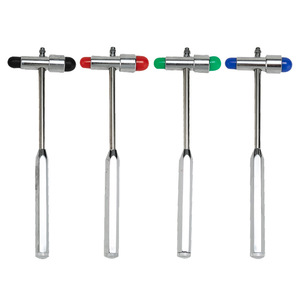
Medical Neurology Reflex Diagnostic Hammer
Clinical Neurological Sensory Evaluation Reflex Probe System
Contact Us
20+ Years Neural R&D Provenance
100% Noninvasive Peripheral Modulation
< 12ms Edge Biosignal Decoding Latency
ISO 13485 Certified Cleanroom Fabrication

Future Procurement & Technology Trends in Wearable Biosensors (2025–2030)

Procurement engineers and medtech brand directors are shifting away from passive photoplethysmography (PPG) and simple inertial measurement units (IMUs). As hospital systems demand verifiable clinical endpoints, the next five years of wearable biosensor production revolve around three mission-critical technology paradigms:

Closed-Loop Neuro-AI Interfaces

Rather than passive data logging, modern devices integrate closed-loop architecture. High-density surface sensors capture neuromuscular firing, proprietary edge-inference models decode intentional vs. pathologic tremor patterns, and burst-stimulation protocols fire in real-time to suppress aberrant motor impulses.

Sub-Millivolt Artifact Filtering

Wearable bioelectronic medicine faces massive signal-to-noise ratio challenges during voluntary limb motion. Next-gen procurement criteria emphasize differential bio-impedance sensing, active shielding, and multi-channel peripheral nerve routing directly fabricated onto biocompatible flex-PCBs.

FDA 510(k) & MDR Traceability

The threshold for commercial viability requires contract manufacturing facilities operating under strict ISO 13485, FDA 21 CFR Part 820, and IEC 60601-1-2 EMC safety compliance, guaranteeing seamless transitions from DFM (Design for Manufacturing) to Class II therapeutic commercialization.

Architecture Metric Legacy Consumer Wearables Advanced Bioelectronic Medical Systems (Our OEM Standard)
Biosignal Modality Optical PPG, 3-Axis Accelerometer Multi-Channel sEMG, Peripheral Nerve Conduction, Dynamic Impedance
Feedback Loop Open loop (post-hoc cloud synchronization) True Closed-Loop Edge AI (Real-time sensing, decoding, and neuro-stimulation)
Skin-Electrode Interface Stainless steel or gold-flash contacts Biocompatible dry polymer micro-arrays, hydrogel-free silver-chloride tracks
Regulatory Pathway General Wellness (FDA Guidance Section 520) Class II / Class IIa Prescriptive Medical Device (FDA 510(k), CE MDR)

Enterprise OEM/ODM Advantages: Why Global Medtech Brands Partner With Us

Decades of Deep Neural R&D

Our core technological foundation stems from over 20 years of academic and industrial neural engineering. We do not rebadge commodity consumer electronics; we build custom-molded, ergonomic medical housings that maintain micro-precision contact with targeted radial, median, and ulnar nerves across variable patient anatomies.

Proprietary Edge-to-Cloud AI Pipelines

We supply full-stack firmware and SDK integrations capable of decoding idiosyncratic tremor signatures. Our firmware isolates involuntary oscillation frequencies (4–12 Hz) from intentional biomechanical motions, instantly modulating stimulation amplitude without clinical over-ride.

Rigorous Cleanroom & Supply Chain Sovereignty

Equipped with high-precision SMT lines, automated optical inspection (AOI), and ultrasonic welding suites, our manufacturing floors enforce zero-contamination protocols. Every raw silicon chip and medical-grade elastomer is batch-tracked with complete IQ/OQ/PQ documentation.

Procurement & Technical FAQ

What distinguishes a Neuro-AI therapeutic biosensor from conventional wellness trackers?
Conventional wearable sensors merely record passive physiological data (such as resting pulse or steps) for consumer habit tracking. In contrast, a Neuro-AI therapeutic biosensor performs continuous real-time neural signal decoding. It interprets sub-millivolt neuromuscular firing, identifies involuntary movement disorder pathologies, and instantly delivers targeted, closed-loop electroceutical stimulation to suppress physical symptoms without systemic pharmacological side effects.
How does your OEM factory navigate FDA clearance and MDR requirements for custom devices?
We operate strictly under ISO 13485 certified quality management systems and FDA 21 CFR Part 820 design controls. Our contract manufacturing packages include complete Design History Files (DHF), biocompatibility validation (ISO 10993), electrical medical device safety verification (IEC 60601-1), electromagnetic compatibility reports (IEC 60601-1-2), and full cybersecurity risk auditing to support your 510(k), De Novo, or CE mark submissions.
Can your assembly lines integrate custom nerve-computer interface (NCI) electrodes?
Yes. Our engineering department specializes in micro-flex circuits, conductive elastomer compounds, and dry contact micro-needle arrays that bypass the need for liquid conductive gels. These arrays deliver high charge-injection capacity while eliminating skin irritation during chronic, all-day wrist or limb deployment.
What is the standard development timeline from prototype tooling to full-scale mass production?
A typical medical-grade OEM project moves through distinct developmental gateways: EVT (Engineering Validation Test) in 8–12 weeks, DVT (Design Validation Test) with clinical-grade silicone and flex-circuit tooling in 10–14 weeks, and PVT (Production Validation Test) followed by ramped cleanroom mass production within 6 months, adhering to strict IQ/OQ/PQ validation.
Turnkey Medtech Manufacturing

Initiate Your Custom Wearable Biosensor OEM Production

Speak directly with our bioelectronic engineering team. Review our cleanroom capabilities, request component cross-match BOM analysis, and receive comprehensive DFM feedback for your next-generation medical wearable.