
Precision Neurological & Neuromuscular Solutions
Engineered for clinical precision, biofeedback monitoring, and noninvasive neural modulation.
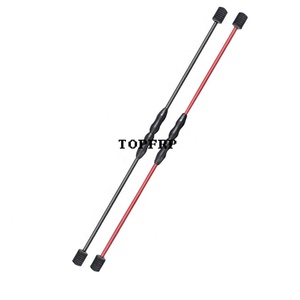
Clinical-Grade Kinetic Tremor Resistance & Training Bar
Detachable, high-precision kinetic vibratory rod designed for targeted neuromuscular retraining, muscular tremor suppression, and reflex stabilization.
Get Catalog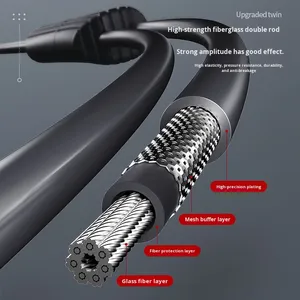
Felix-Core Adjustable Elastic Neuromodulation Rod
Engineered with high-durability PP elastic polymers, providing calibrated mechanical resonance for micro-tremor biofeedback and motor path therapy.
Get Catalog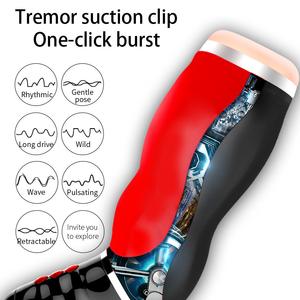
Precision Pneumatic Motor Sensor & Tremor Testing Module
Multi-frequency bio-vibratory test unit featuring automatic thermal regulation and burst frequency monitoring for peripheral nerve sensitivity assessment.
Get Catalog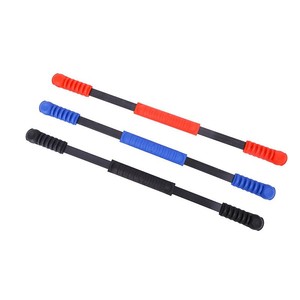
Flexi-Swing Neuromuscular Biofeedback Resonator Stick
Dynamic oscillating swing bar calibrated to generate specific haptic feedback frequencies, facilitating upper-extremity tremor conditioning and muscular control.
Get Catalog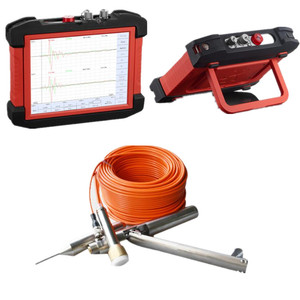
High-Precision Micro-Tremor Neural Diagnostics & Seismograph
Sub-micron shear wave wave velocity diagnostic equipment, built for precise micro-tremor bio-signal tracking and structural motor monitoring.
Get Catalog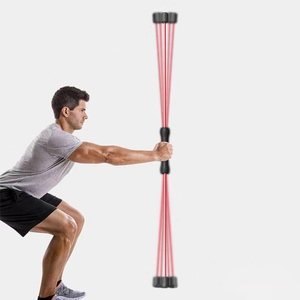
High-Frequency Peripheral Nerve Reflex & Training Rod
Medical-grade rubberized vibratory rod engineered for deep-tissue mechanical stimulation, improving neuromuscular sync and motor pathway elasticity.
Get Catalog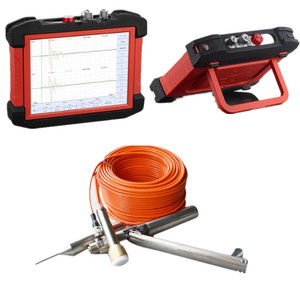
Shear Wave Velocity & Micro-Tremor Cycle Test Instrument
Advanced geotechnical and biomechanical pulse analyzer for quantitative measurements of micro-vibrations, kinetic stability, and nerve response dynamics.
Get Catalog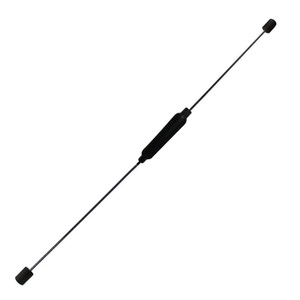
Felix-Integrated Ergonomic Tremor Stabilization System
Dismantling core balance stick utilizing tuned resonance frequencies to mitigate kinetic hand tremors and stabilize motor intent during physical rehabilitation.
Get CatalogWhy Global Healthcare Brands Choose Our Manufacturing Infrastructure
Integrating deep neural engineering R&D with medical-grade hardware production.
FDA-Cleared & ISO 13485 Compliance
Our manufacturing ecosystem operates under strict ISO 13485:2016 Quality Management Systems. We pioneer FDA 510(k) cleared AI therapeutics (such as the landmark Felix NeuroAI™ Wristband), maintaining full audit traceability and global regulatory documentation for North America, Europe (CE MDR), and Asia-Pacific markets.
20+ Years Neural Engineering R&D
Grounded in over two decades of advanced neural interface design, biosignal surface sensors, and peripheral nerve modulation. Our in-house research teams decode complex neuromuscular signals, translating scientific breakthroughs into scalable, commercial-grade hardware platforms.
Proprietary Closed-Loop Neuro-AI Core
Unlike conventional devices that emit fixed micro-currents, our Neuro-AI core listens continuously to neuromuscular feedback, dynamically calibrating peripheral nerve stimulation parameters in real time via high-density sEMG sensors and cloud algorithms.
End-to-End Turnkey OEM/ODM Production
From cleanroom SMT PCB assembly, medical-grade silicone encapsulation, and precise bio-resonance tuning to packaging design and firmware flashing, our automated factory delivers complete end-to-end contract manufacturing for global medical brands.
Noninvasive Bio-Modulation Focus
We eliminate surgical risk profiles and pharmacologic side effects. Our noninvasive peripheral nerve stimulation platforms deliver therapeutic relief directly through skin-surface touchpoints, maximizing patient compliance and ease of home use.
Global Supply Chain & Regulatory Logistics
Supporting hospital procurement groups, movement disorder centers, and healthcare distributors across North America, EU, APAC, and LATAM with robust lead times, comprehensive documentation, and customs clearance support.
Future Procurement Trends in Neurological & Bioelectronic Devices
The global neurological device ecosystem is undergoing a generational shift. Healthcare enterprise purchasers, hospital systems, and medical device distributors are moving away from traditional pharmacologic-first regimens and invasive surgical implants toward noninvasive, closed-loop bioelectronic therapeutics. Driven by the need to minimize post-surgical complication rates, reduce systemic drug toxicity, and improve long-term patient adherence, B2B procurement strategies are being rapidly restructured around five core market trends.
Strategic Takeaway for Device Buyers: By 2028, global procurement for noninvasive neuromodulation and neuro-diagnostic hardware is projected to surpass $14.2 Billion, with over 65% of health system RFPs mandating integrated cloud AI telemetry and home-use remote patient monitoring (RPM) compatibility.
1. The Shift from Invasive Deep Brain Stimulation (DBS) to Peripheral Neuromodulation
For decades, severe motor conditions such as Essential Tremor (ET) and Parkinsonian kinetic deficits were managed primarily through neuro-pharmacology or invasive Deep Brain Stimulation (DBS) surgical implants. However, hospital procurement committees are increasingly scrutinizing the total cost of care associated with DBS surgery—including surgical site infection risks, battery replacement operations, and intensive inpatient programming. Noninvasive peripheral nerve stimulation (PNS) wearables, such as the Felix NeuroAI™ Wristband, offer a high-margin, zero-surgical-risk alternative. Procurement bodies are prioritizing hardware contracts that leverage median and radial nerve stimulation through wrist-worn interfaces, allowing patients to achieve functional upper-extremity stabilization without operating room intervention.
2. Demand for Closed-Loop AI Algorithms Over Fixed-Dose Hardware
Legacy neuro-stimulators delivered fixed electrical pulses regardless of patient activity or real-time nerve response, leading to rapid habituation and sub-optimal symptom control. Modern procurement specifications now explicitly mandate closed-loop responsiveness. Modern bioelectronic devices utilize surface electromyography (sEMG) and multi-axis micro-electro-mechanical systems (MEMS) accelerometers to continuously listen to neurological output. Artificial intelligence algorithms hosted at the edge and backed by secure cloud infrastructure interpret kinetic tremor signals in real time, adjusting pulse duration, frequency, and intensity dynamically. Medical equipment buyers are demanding hardware platforms that can receive continuous over-the-air (OTA) algorithm updates, extending device utility over a multi-year lifecycle.
Legacy Open-Loop Stimulation
Static pulse output • High risk of neural habituation • Manual clinical tuning required • No real-time data capturing.
Next-Gen Closed-Loop Neuro-AI
Real-time sEMG dynamic decoding • Machine learning adaptive pulse modulation • Autonomous cloud tuning • Continuous compliance telemetry.
3. Dual FDA 510(k) and EU MDR Regulatory Harmonization Requirements
Global medical device sourcing managers face tightening regulatory hurdles under the European Union Medical Device Regulation (EU MDR 2017/745) and the US FDA’s heightened cybersecurity guidelines for software-enabled medical devices (SaMD). Supply chain partners are no longer evaluating factories solely on unit manufacturing costs; factory quality assurance systems, design controls, ISO 14971 risk management protocols, and ISO 10993 biocompatibility test data are paramount. B2B contracts are gravitating toward manufacturers that maintain pre-established FDA clearances, cleanroom assembly standards (Class 10,000 / ISO Class 7), and turnkey technical documentation files ready for immediate regulatory submission in regional markets.
4. Value-Based Purchasing (VBP) and Reduced Total Cost of Ownership
Payer networks and private health insurance groups are shifting reimbursement structures toward functional outcome metrics (e.g., ADL—Activities of Daily Living improvements). Neurological hardware procurement decisions are now heavily influenced by clinical trial proof demonstrating that patients can regain independence in eating, writing, and self-care. Sourcing noninvasive wearables that demonstrate measurable clinical efficacy enables healthcare providers to secure higher reimbursement tiers while drastically lowering hospital readmission rates.
- Zero-Incision Safety Profile: Eliminates hospital readmissions stemming from surgical site infections.
- Remote Compliance Telemetry: Enables clinicians to monitor patient compliance data securely via HIPAA/GDPR-compliant cloud dashboards.
- Modular Contract Manufacturing: Allows OEM buyers to rapidly modify cosmetic casings and custom branding while utilizing pre-validated internal core neural engine PCBs.
Next-Generation Bioelectronic & Neurological Hardware Innovations
As a pioneering OEM factory and original technology developer, our research division continuously tracks the convergence of neural engineering, micro-electronics, and materials science. The next decade of neurological device manufacturing will be defined by breakthroughs across four core technological pillars.
1. High-Density Surface Electromyography (HD-sEMG) & Signal Decoding
The primary engineering challenge in wearable neuro-technology lies in filtering out background muscular artifacts to isolate true pathological tremor signatures. Traditional two-channel dry electrodes lack the spatial resolution required to differentiate voluntary movement (e.g., picking up a glass) from involuntary pathological oscillation (e.g., 4-12 Hz essential tremor vibration). Modern manufacturing integrates high-density multi-array flexible printed circuits (FPC) with conductive silver/silver-chloride (Ag/AgCl) or biocompatible conductive silicone dry sensors. These sensors form a continuous matrix around peripheral nerve trunks, capturing subtle micro-volt potentials with signal-to-noise ratios (SNR) exceeding 80 dB.
2. Bidirectional Nerve-Computer Interfaces (NCI)
The frontier of neuro-therapeutics is moving beyond unidirectional stimulation toward bidirectional communication. Platforms like the Fasikl-X™ Nerve-Computer Interface establish a reciprocal channel with the peripheral nervous system. The device simultaneously decodes motor intent from motor unit action potentials (MUAPs) and delivers targeted therapeutic micro-pulses to suppress aberrant neural firing. This bidirectional loop opens vast manufacturing application spaces, extending beyond Essential Tremor to upper-limb stroke rehabilitation, spinal cord injury motor assistance, and peripheral neuropathy diagnostics.
3. Precision Micro-Tremor Diagnostics & Shear Wave Measurement
Quantitative diagnostic hardware is undergoing sub-micron miniaturization. By combining high-frequency piezoelectric transducers with shear wave velocity calculation microprocessors, modern diagnostic instruments can noninvasively measure tissue stiffness, neuromuscular tension, and subtle micro-tremor amplitude dynamics. This quantitative data allows neurologists to benchmark disease progression objectively, moving away from subjective visual rating scales (e.g., Fahn-Tolosa-Marin Tremor Rating Scale) toward digital, repeatable biomechanical metrics.
4. Advanced Biocompatible Elastomers & Ergonomic Kinetic Engineering
Physical wearable therapeutic rods and kinetic resistance devices require high-cycle fatigue resistance. Modern manufacturing utilizes custom-formulated polypropylene (PP) matrix compounds, thermoset liquid silicone rubbers (LSR), and carbon-reinforced flexi-bars. These materials maintain consistent resonance frequencies across millions of vibration cycles, ensuring that mechanical biofeedback devices deliver stable resistance profiles without material fatigue or degradation over time.
B2B Procurement, OEM/ODM & Manufacturing FAQ
Essential answers for hospital sourcing directors, medical device brand managers, and regulatory compliance teams.
Our manufacturing plant is fully certified under ISO 13485:2016 for medical device design and production. We operate automated Class 10,000 (ISO Class 7) cleanroom facilities dedicated to micro-electronic surface mount technology (SMT) assembly, bio-compatible sensor sealing, and sterile final packaging. All production lines comply with IEC 60601-1 (Basic Safety and Essential Performance) and IEC 60601-1-2 (Electromagnetic Disturbances) standards.
Yes. We offer comprehensive turn-key OEM and ODM services. Global partners can leverage our pre-validated, FDA-cleared neural core engine and closed-loop stimulation platforms while customizing external housing aesthetics, band ergonomics, mobile app branding, and regional packaging. We also provide full custom hardware development from initial PCB layout to tooling, molding, and regulatory submission support.
Our core platform (demonstrated in the FDA-cleared Felix NeuroAI™ Wristband) is built upon more than 20 years of peer-reviewed neural engineering R&D. The device decodes neuromuscular signals at the wrist and delivers calibrated transcutaneous electrical nerve stimulation (TENS/PNS) to modulate aberrant central motor oscillations, providing clinical tremor relief without brain surgery or pharmacologic side effects.
All connected neurological devices manufactured in our facility incorporate end-to-end hardware encryption (AES-256) at the MCU level. Cloud data pipelines strictly adhere to HIPAA (US) and GDPR (EU) data security frameworks. Firmware components undergo rigorous penetration testing and vulnerability assessments in compliance with FDA cybersecurity guidance for medical devices.
Standard catalog items have flexible MOQs starting at 50 to 100 units for clinical evaluations and distributor trial batches. Custom OEM/ODM private-label manufacturing runs typically start at 1,000 units depending on plastic tooling requirements. Production lead times average 4 to 6 weeks for standard inventory and 8 to 12 weeks for full custom OEM builds.
Absolutely. All skin-contacting materials—including medical-grade silicone wrist straps, conductive polymer dry electrodes, and molded PP components—undergo independent laboratory testing in compliance with ISO 10993-5 (Cytotoxicity), ISO 10993-10 (Sensitization and Irritation), and ISO 10993-23. Complete biological evaluation reports (BER) are provided with regulatory procurement documentation.
You can request complete technical specifications, clinical study whitepapers, and tiered B2B pricing catalogs by clicking the "Get Catalog" button located on any product module or at the bottom of this page. Our sales engineering team responds within 24 business hours.
Partner with a World-Leader in Neuro-AI Manufacturing
Elevate your medical product portfolio with FDA-cleared noninvasive therapeutics, closed-loop neural engines, and precision diagnostic hardware.
Get Catalog