
Precision Health Wristbands & Biomechanical Tremor Equipment
Direct supply solutions tailored for Australian healthcare distributors, movement disorder centers, allied health providers, and wellness importers.
1. Strategic Overview: Navigating the Australian Health Wearable Landscape
Australia’s healthcare and wellness ecosystem is undergoing a dramatic structural pivot toward noninvasive, technology-driven therapeutic interventions. As the Australian population ages—with over 16% of the national demographic currently aged 65 and over—the prevalence of movement disorders such as Essential Tremor (ET), early-stage Parkinsonian symptoms, and general age-related neuromuscular degradation has placed significant demand on community care, aged-care facilities, and outpatient rehabilitation clinics across New South Wales, Victoria, Queensland, and Western Australia.
Simultaneously, the expansion of Australia’s National Disability Insurance Scheme (NDIS) and federal emphasis on Remote Patient Monitoring (RPM) have created fertile ground for advanced health wristbands and micro-vibrational biomechanical equipment. Australian healthcare procurement directors, medical equipment importers, and wellness retail chains require manufacturing partners capable of delivering products that combine clinical rigor, regulatory traceability, and robust hardware quality.
Our organization stands at the nexus of advanced neural signal processing, closed-loop peripheral nerve stimulation, and industrial biomechanical design. By supplying Australian importers with direct factory-engineered health wristbands, tremor-frequency training rods, and micro-seismic structural monitoring devices, we bridge the gap between high-level bio-electronic innovation and cost-effective volume manufacturing.
2. Localized Australian Application Scenarios
To maximize clinical utility and commercially succeed in Australia, wearable health technologies and tremor-relieving devices must address specific regional and institutional operational environments:
Aged Care & Rehabilitation (Metro Hubs)
In metropolitan medical infrastructure across Sydney, Melbourne, and Brisbane, noninvasive tremor-control wristbands provide an essential, drug-free alternative for elderly residents living with action tremor. By wearing calibrated wrist devices during morning meals, writing sessions, or personal care activities, patients experience immediate stabilization without the cognitive side effects of systemic anti-tremor pharmacotherapy.
Occupational Health & Industrial Mining (WA & QLD)
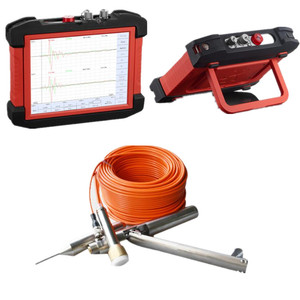
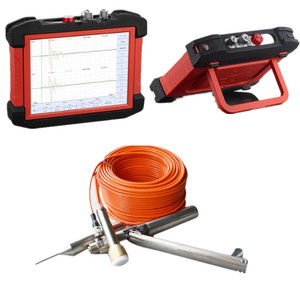
In Western Australia’s Pilbara region and Queensland’s Bowen Basin, heavy machinery operators, drillers, and remote field engineers are routinely exposed to whole-body vibration and repetitive micro-trauma. Specialized micro-tremor monitoring devices and elastic tremor rods serve a dual purpose: quantifying hand-arm vibration syndrome (HAVS) in occupational health screenings and providing active muscle re-education for fatigue recovery.
Sports Science & Physiotherapy (ACT & Regional)
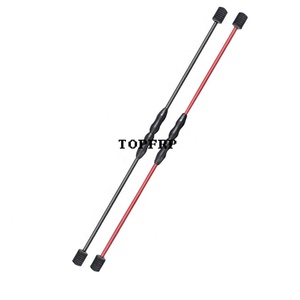
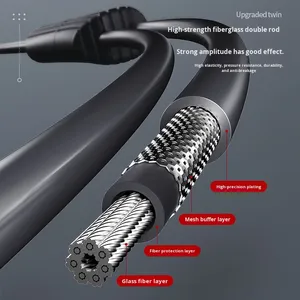
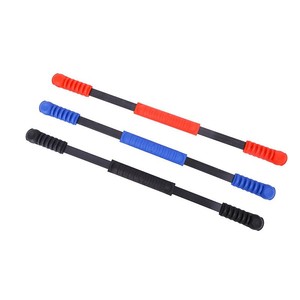
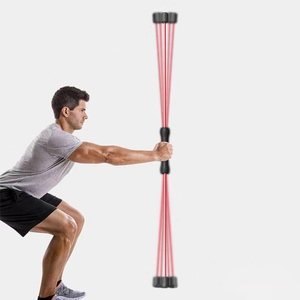
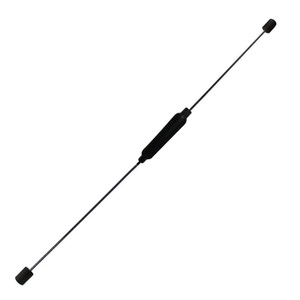
Leading athletic training facilities, including the Australian Institute of Sport (AIS) ecosystem and allied rehabilitation clinics, employ high-frequency vibrating rods (Felix sticks) to activate deep core neuromuscular firing patterns. These devices induce micro-oscillations that accelerate dynamic stability conditioning and post-injury proprioceptive rehabilitation.
| Australian Sector | Target Primary User | Primary Technological Requirement | Compliance Alignment |
|---|---|---|---|
| Aged Care Facilities | Seniors with Essential Tremor | Closed-loop peripheral nerve stimulation | TGA Class IIa Medical Device pathway |
| Physiotherapy Clinics | Stroke & Neuromuscular Patients | Adjustable micro-vibrational mechanical feedback | Allied Health Provider (NDIS registered) |
| Mining & Geotechnical | Field Engineers / Operators | Micro-tremor shear wave velocity testing | ISO 9001 / IEC Industrial Calibration |
| Fitness & Sports Tech | Athletes / Strength Coaches | High-elasticity PP vibrating core rods | Consumer Goods Safety Standards (ACCC) |
3. Emerging Market Trends in Australia
Navigating the Australian health technology market requires a deep understanding of structural policy shifts and patient preference evolution:
- De-prescribing Movement Disorder Management: Neurologists across Australia are increasingly seeking non-pharmacological interventions for mild-to-moderate essential tremor due to common adverse reactions to traditional beta-blockers or anticonvulsants. Noninvasive wristband therapeutics provide an attractive first- or second-line adjunct therapy.
- Telehealth Data Integration (Fasikl-X Architecture): Australian regional communities often suffer from sparse specialist access. Modern health wristbands must incorporate cloud-connected telemetry, capturing real-time tremor kinetic profiles (frequency, burst amplitude, duration) and transmitting data securely to cloud dashboards for clinician review.
- Expansion of NDIS Assistive Technology Categories: Australian disability support funding actively reimburses smart assistive wearables that directly restore daily living autonomy (e.g., self-feeding, unassisted writing, tool handling). Wristbands with proven kinematic benefits match the funding criteria under NDIS Capital Support budgets.
4. Technical Superiority & Manufacturing Excellence
As a specialized supplier and exporter to the Australian continent, our technical capabilities are anchored in 20+ years of neuro-engineering R&D, biosignal algorithm design, and precision manufacturing execution:
Closed-Loop Neuro-AI Core
Our wristband technology incorporates high-density EMG/inertial sensors that filter voluntary motor intent from involuntary pathological tremor oscillations. The system delivers calibrated electrical or mechanical stimulation in micro-second feedback loops to disrupt ventral intermediate nucleus (VIM) tremor loops via peripheral nerve pathways.
Medical-Grade Hardware Reliability
Constructed with biocompatible TPU wrist straps, IP67 moisture protection (vital for tropical QLD and humid coastal climates), and ultra-low noise power amplifiers, our wristband units endure rigorous everyday use in aged care and home care settings.
OEM / ODM Customization for Distributors
We provide complete turnkey manufacturing for Australian B2B brands, including custom firmware integration, localized charger adapters (AU 3-pin plugs), bespoke packaging compliant with Australian Consumer Law (ACL), and whitelabel companion mobile app deployment.
5. Australian B2B Procurement FAQ
Addressing key regulatory, logistical, and commercial inquiries for Australian importers and health system buyers:
Q1: How do your health wristbands conform to Therapeutic Goods Administration (TGA) requirements in Australia?
Answer: For devices imported into Australia as therapeutic medical devices, compliance with the Essential Principles outlined by the TGA is mandatory. Our manufacturing facilities hold ISO 13485 certification, and our core technology maintains FDA clearances and CE mark technical files. We assist Australian Australian Sponsor companies (importers) with comprehensive Technical Files, Declaration of Conformity (DoC), and clinical evaluation summaries required for ARTG (Australian Register of Therapeutic Goods) inclusion.
Q2: What is the Minimum Order Quantity (MOQ) and lead time for bulk orders shipped to Sydney, Melbourne, or Fremantle ports?
Answer: For standard catalog inventory, our standard export MOQ starts at 50 units. Customized OEM/ODM production runs (with custom branding, Australian packaging, and localized app firmware) start at 500 units. Typical air freight lead times to SYD/MEL/BNE/PER range between 5 and 8 business days, while sea freight door-to-port delivery takes 18 to 22 days.
Q3: Can these health wristbands be registered under NDIS provider support codes?
Answer: Yes. Many of our local distribution partners in Australia successfully supply these devices under NDIS Assistive Technology funding categories (Low & Mid-Cost Assistive Technology). We provide detailed product specification sheets and clinical outcome measurement data that occupational therapists (OTs) utilize to write justification reports for NDIS participants.
Q4: How does the wristband distinguish between natural hand movements and essential tremor?
Answer: The integrated AI algorithm uses multi-axis MEMS accelerometers combined with high-frequency neuromuscular signal decoding. By analyzing frequency signatures (typically 4Hz - 12Hz range characteristic of Essential Tremor and Parkinsonian tremor), the wristband suppresses real-time noise and isolates involuntary rhythmic bursts from intentional motor commands like lifting a glass or holding a pen.
Q5: What support is provided for Australian B2B distributors regarding warranty and repair services?
Answer: We offer a comprehensive 24-month manufacturer warranty on all health wristband electronic modules. Australian distributors are provided with spare replacement units and modular swap kits to ensure rapid local turnaround times for end customers without international transit delays.
Request Full B2B Technical Dossier & Export Pricing
Partner with an established manufacturer supplying high-performance health wristbands, tremor modulation devices, and biomechanical training equipment to the Australian market.
Get Catalog