Clinical Efficacy & Information Gain
Restoring Functional Independence Through Bioelectronic Precision
When healthcare procurement committees assess neurological disorder wearables, clinical efficacy and real-world compliance serve as the primary metrics of evaluation. Traditional pharmaceutical regimens for essential tremor—such as beta-blockers or anticonvulsants—often induce fatigue, bradycardia, or cognitive clouding, leading to high treatment discontinuation rates exceeding 50%.
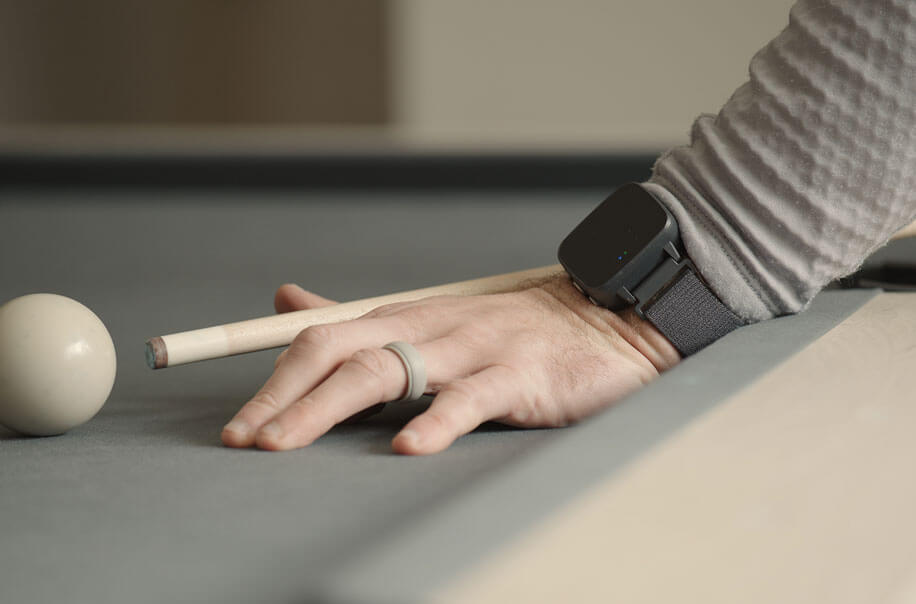
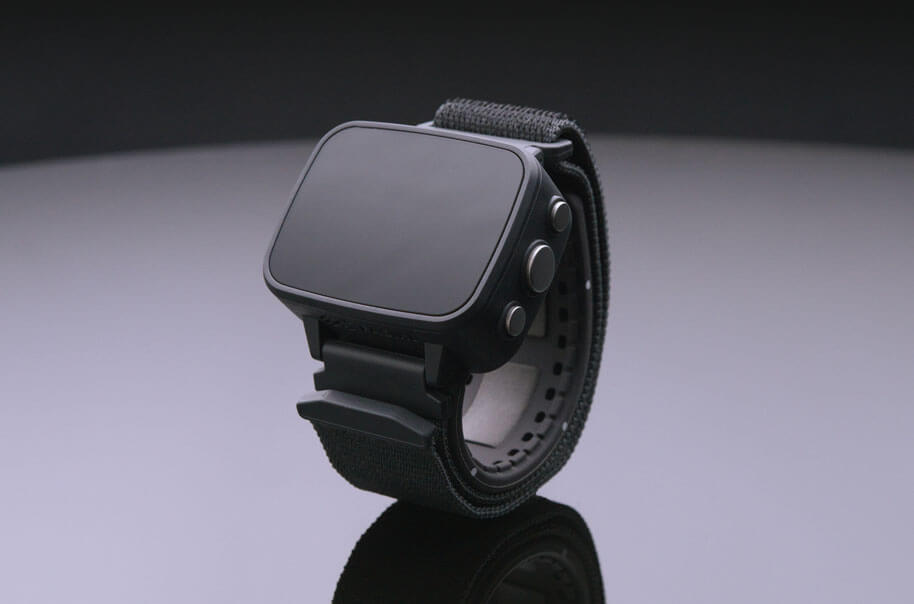
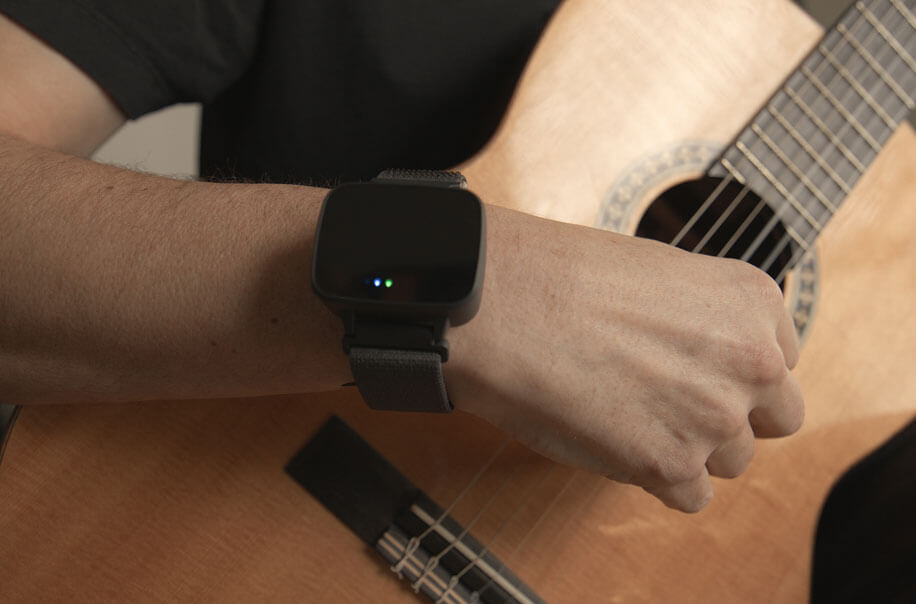
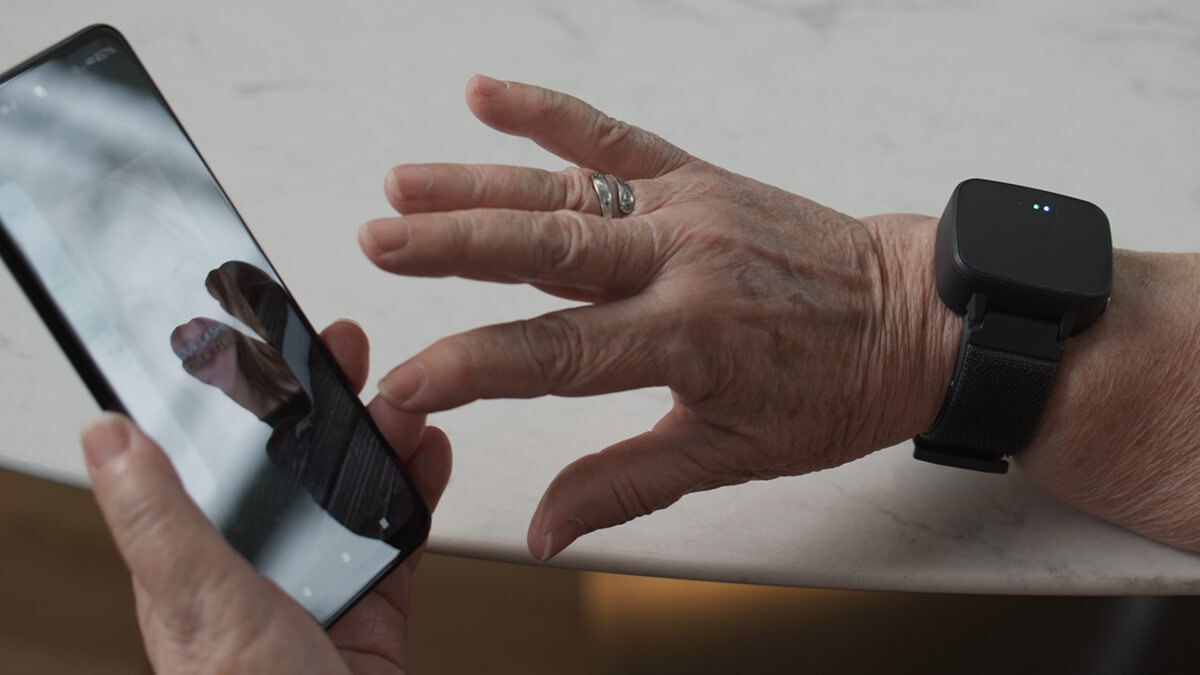
In contrast, Fasikl’s Neuro-AI wearable delivers targeted, localized therapy that respects systemic physiology. Clinical evaluations demonstrate significant reductions in Tremor Research Group Essential Tremor Rating Assessment Scale (TETRAS) scores, allowing patients to resume fundamental activities of daily living (ADLs)—such as drinking from a cup without spilling, writing legibly, and using digital touchscreen interfaces independently.
For hospital procurement departments and specialty clinics, offering a noninvasive, FDA-cleared wearable enhances institutional care standards while unlocking new outpatient service revenue streams through prescribed bioelectronic therapies.